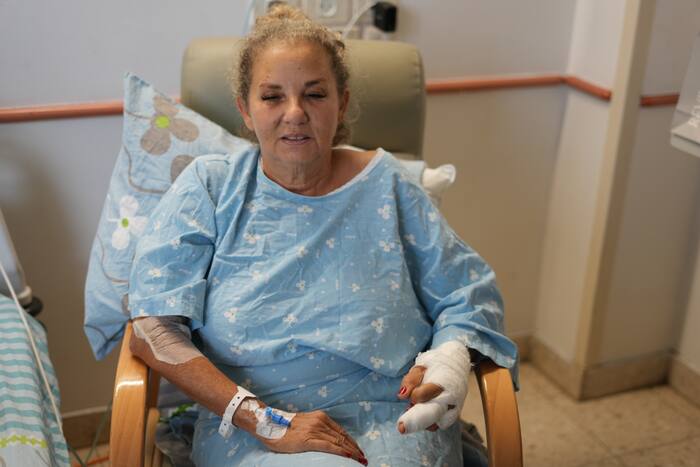
When a veteran photojournalist gets beaten to the ground with sticks, has her cameras ripped off her shoulders, and undergoes hand surgery for a nearly detached finger, hearing the prime minister call the assault "alleged" feels like salt in an open wound. That is exactly what happened to Washington Post photographer Heidi Levine in October 2026 after she was attacked by extremist Israeli settlers in the occupied West Bank.
Levine had spent over four decades covering the region, yet she said she felt "shocked and insulted" by Prime Minister Benjamin Netanyahu's framing of the incident. For anyone following West Bank violence, press freedom, or Israeli politics, her reaction points to a much bigger fracture. It isn't just about one brutal afternoon near Ramallah. It's about accountability, political calculation, and what happens when eyewitness evidence collides with official caution.
What Happened Near Abu Falah During the Olive Harvest
The assault took place on October 16, 2026, near Abu Falah, a Palestinian village northeast of Ramallah, during the annual olive harvest. Anyone who has covered or followed the West Bank knows the olive harvest is both an economic lifeline and a recurring flashpoint. Farmers head into their groves, tensions flare, and clashes erupt.
According to Levine's accounts from the hospital, violence escalated quickly after Israeli troops arrived on the scene. Sound of gunfire and tear gas echoed in the distance, farmers began gathering their harvest gear, and a group of roughly a dozen to fifteen attackers charged toward her.
She was knocked down, kicked repeatedly, and beaten with sticks. At one point, she tried playing dead just to get the blows to stop, though it didn't work. Her attackers broke camera straps off her shoulders and took her gear, documents, and personal items, including her American passport, credit card, camera disk, and extra lenses.
She also credited Palestinian youths at the scene with stepping in to shield her and push attackers back, saying she might not have survived without them. After initial treatment in Ramallah, she was transferred through a checkpoint to Beilinson Hospital (Rabin Medical Center) in Petah Tikva, where she underwent surgery on a nearly detached finger alongside treatment for a broken rib, fractured vertebrae, and cuts across her body.
Why Netanyahu's Response Struck Such a Raw Nerve
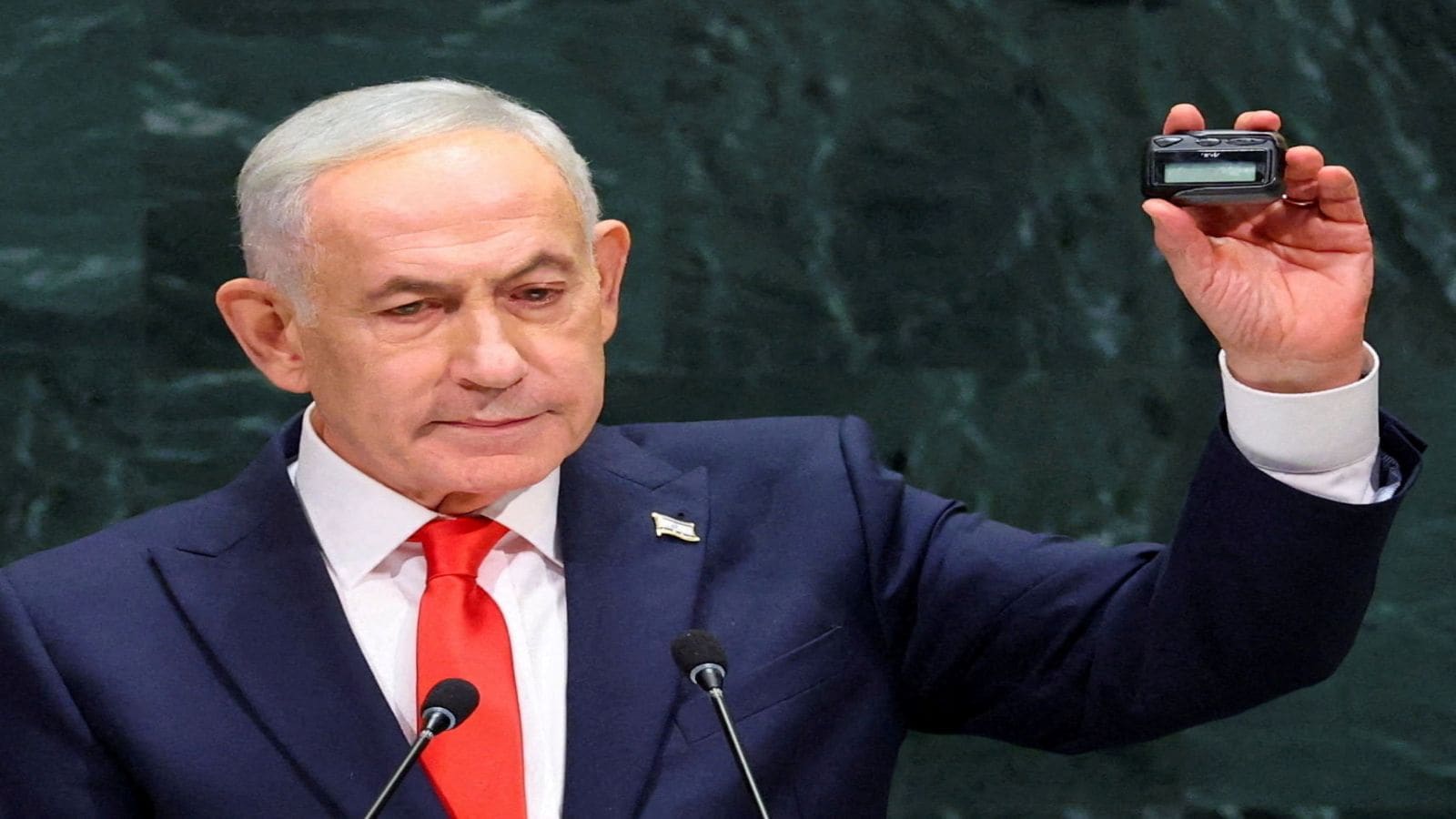
In interviews after the assault, Netanyahu condemned violence in general terms, yet described the attack as "alleged" and suggested its circumstances or accuracy remained unclear pending investigation. When pressed on video footage and Levine's account, he maintained that facts still needed to be checked.
Levine didn't buy that hedging for a second. From her perspective, the prime minister had plenty of evidence right in front of him, and calling a documented beating "alleged" dismissed what she and others had lived through. She even pushed back directly on Netanyahu's suggestion regarding video footage that appeared to show someone helping her up—explaining that attackers pulled her up because they were trying to strip her gear and rob her more easily, not help her.
Here is the real tension behind that exchange. Politically, Netanyahu was navigating a sensitive coalition environment dominated by settlers and their backers ahead of Israeli elections, while simultaneously trying to manage international pressure and public outrage. Whenever a leader uses cautious or ambiguous language around settler violence, victims and critics see political self-preservation. Supporters of the settlement movement, meanwhile, argue against sweeping generalizations and insist investigations must establish who initiated every clash.
That gap between official caution and lived reality is precisely why her insult cut so deep.
Contrasting Reactions Across Officials and the Public
Not every senior figure struck the same note. Israel's president, Isaac Herzog, called Levine to express regret and shame, calling the perpetrators thugs and a stain on Israeli society. A letter signed by prominent former Israeli security and intelligence officials similarly condemned the assault and warned of encouragement from high levels of government.
Internationally, condemnation was sharp as well. U.S. Ambassador to Israel Mike Huckabee called the attack on the American journalist a despicable act of terror by masked assailants and urged prosecution to the fullest extent of the law, while U.S. Secretary of State Marco Rubio expressed deep concern over the violence. Days later, Israeli police announced arrests linked to West Bank assaults, including the beating of Levine and an incident involving European diplomats near Taybeh.
The Bigger Picture Behind West Bank Violence and Press Safety
If you treat Levine's beating as a one-off flare-up, you miss the pattern. Monitoring groups like Yesh Din have tracked surges in settler attacks against Palestinians—especially during the olive harvest—alongside chronic frustration over low rates of prosecution and accountability. Between early October and mid-November 2026 alone, Yesh Din reported hundreds of harvest-related incidents involving violence, theft, and property damage, many allegedly occurring with security forces nearby.
From years of watching conflict reporting, I can tell you a harsh truth about field work: press credentials and clear identification rarely act as a forcefield when tensions boil over. Cameras make reporters visible, and visibility in a volatile crowd can turn a journalist into a target or collateral casualty in seconds. Even experienced war photographers who have covered major international conflicts often say that chaotic, close-quarters civilian clashes carry unpredictable risks that differ sharply from conventional front lines.
Levine herself made a point that goes beyond street-level arrests. In her view, real change requires addressing the wider networks, ideological backing, and political incentives that enable organized extremism—not just rounding up a few young rioters after international headlines erupt.
What Readers and Observers Should Look for Next
When a high-profile assault sparks statements, arrests, and counter-narratives, headlines move fast and move on. If you want to track whether this moment actually changes anything on the ground, focus on concrete follow-through rather than rhetoric:
- Follow criminal indictments, not just initial arrests: Arrests right after an international outcry happen periodically, so check whether cases lead to charges, trials, and meaningful sentences rather than quiet closures.
- Watch command and policing behavior during harvests and protests: Pay attention to whether security forces intervene early to separate attackers from civilians and journalists, or remain passive bystanders.
- Compare official statements against policy shifts: Look beyond single press quotes to see whether government directives, enforcement priorities, or diplomatic friction actually alter day-to-day realities in Area C and surrounding villages.
- Support independent, multi-source reporting: Rely on outlets that verify video, cross-check hospital and police records, and quote multiple perspectives without flattening complex events into slogans.
Despite broken bones and surgery, Levine said she intends to return to her work once recovered. Her determination underscores a simple reality of conflict journalism: cameras may get smashed, yet the need for independent eyes on the ground never goes away.
(Note: If you want to save your reading threads or easily come back to follow-ups later, signing in to a Google Account lets you keep your chat history organized across sessions.)
US journalist beaten by West Bank settlers recounts ordeal from hospital bed
This video is relevant because it features Heidi Levine speaking directly from the hospital about the attack and her reaction to Prime Minister Netanyahu's remarks.