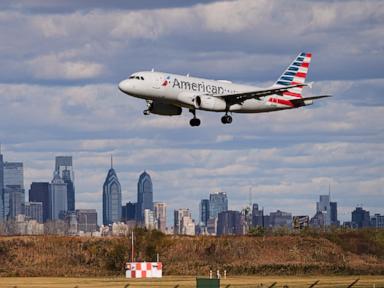
Heathrow Airport has quietly conceded that its controversial third runway project faces an extension of up to four years, pushing potential completion well into the next decade. For frequent flyers, airline executives, and British business leaders, this update feels less like a surprise and more like an endurance test. The hub has operated at near maximum capacity for decades, constrained by physical borders and political friction. When a global gateway stalls, the ripple effects touch everything from export logistics to international route planning.
The official narrative points to regulatory hurdles, escalating construction costs, and lengthy environmental reviews. Yet these factors are symptoms of a deeper paralysis within British infrastructure planning. Delays of this magnitude do not happen by accident. They are manufactured by a complex web of bureaucratic friction, shifting political priorities, and unresolved debates over carbon budgets.
The Capacity Trap and Airline Economics
London Heathrow sits at the center of the European aviation network, yet it operates with significantly fewer runways than competing hubs like Amsterdam Schiphol, Paris Charles de Gaulle, or Frankfurt. This artificial scarcity drives up landing fees for airlines and passenger ticket prices alike. When an airport runs at ninety-nine percent capacity, every minor weather event or technical glitch triggers a cascade of cancellations.
Airlines have spent decades fighting for slot allocations. Carriers bank valuable takeoff and landing times simply to protect market share, sometimes operating under-capacity flights just to retain rights. The third runway was supposed to shatter this bottleneck by adding hundreds of thousands of annual flight movements. Instead, the delay locks the aviation market into a holding pattern. Low-cost carriers look toward continental alternatives for growth, while legacy carriers absorb higher operational costs that ultimately land on the consumer.
Financing the Gigantic Bill
Building major transport infrastructure in a high-inflation environment presents severe financial challenges. Heathrow is privately owned, backed by a consortium of global investment funds, sovereign wealth funds, and pension managers. These investors demand predictable returns. When a project timeline stretches by four years, capital costs balloon dramatically.
The Civil Aviation Authority regulates what Heathrow can charge airlines. If construction expenses surge, the airport attempts to pass those costs down through higher aeronautical charges. Airlines push back fiercely, arguing that exorbitant fees make London uncompetitive against rival global cities. This tug-of-war creates a financial stalemate. Investors become hesitant to commit fresh capital without regulatory certainty, and the project slows to a crawl.
Environmental Realities versus Economic Ambition
The core tension underlying the third runway battle remains the irreconcilable gap between economic expansion and carbon reduction targets. Aviation accounts for a significant share of global greenhouse gas emissions. Expanding Heathrow means accommodating millions of additional passengers, which directly conflicts with national net-zero commitments.
Environmental campaigners have successfully used the legal system to challenge airport expansion plans. Courts have scrutinized whether government approvals properly accounted for climate change legislation and international agreements. Even if the airport clears every legal hurdle, the operational reality of green aviation remains distant. Sustainable aviation fuel is scarce and expensive, and electric or hydrogen commercial aircraft are decades away from trans-Atlantic viability.
The Local Impact and Political Friction
Beyond national carbon policy, local communities around West London bear the brunt of increased noise and air pollution. Neighborhoods under the current flight paths have fought expansion for generations. Property values, local health metrics, and quality of life arguments form the backbone of local opposition.
Politicians walk a tightrope between supporting national economic growth and answering to local voters. A major infrastructure project cannot survive shifting political tides without bipartisan backing. Every change in government brings fresh reviews, delayed approvals, and altered conditions. The four-year extension is merely the latest manifestation of this political indecision.
What Global Competition Means for Britain
While London deliberates, rival hubs accelerate. Middle Eastern megacity airports have established themselves as dominant global connectors, drawing transit traffic away from traditional European stopovers. Asian economies continue to build massive aviation infrastructure designed to handle the next century of growth.
Stalling Heathrow weakens the United Kingdom's trading position. Connectivity drives foreign direct investment, tourism, and diplomatic influence. When business executives find it harder to secure direct flights to emerging markets, commerce shifts elsewhere. The delay of the third runway is not just a local construction setback; it is a strategic retreat on the global stage.
The path forward requires honesty from regulators, investors, and politicians alike. Pretending that major infrastructure can be built without confronting hard choices about climate impact, financing models, and community disruption leads only to further delays. Until policymakers establish a cohesive national aviation strategy that reconciles growth with environmental limits, Heathrow will remain trapped in perpetual ground delay.