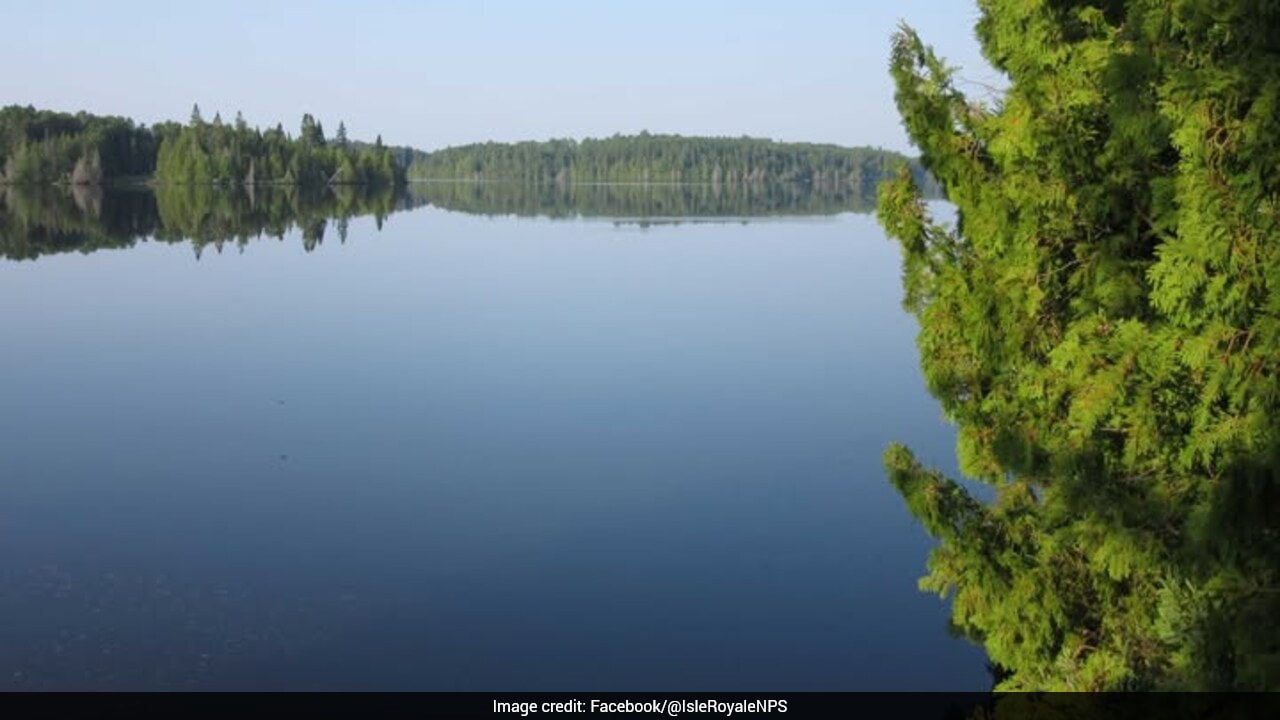
We love our gadgets. We trust our pockets to hold our maps, our weather trackers, and our lifelines. But what happens when the battery dies, the screen shatters, or you slip face-first into an untamed northern swamp?
Ask Craig Berg. In September 2026, the 70-year-old hiker walked into Isle Royale National Park for what was supposed to be a standard week-long solo backpacking trip. He expected solitude. He expected pristine Lake Superior views. He did not expect to vanish into the wilderness for eleven agonizing days, surviving on swamp water, sparse rations, and sheer mental grit.
His story is a stark wake-up call for anyone who wanders into the backcountry with blind faith in digital screens. It exposes the dangerous illusion of modern outdoor safety and proves that survival ultimately comes down to analog instincts.
The Illusion of Digital Safety in the Backcountry
Most hikers today pack light because their phones carry heavy weight. You have digital topographic maps, GPS tracking apps, emergency communication software, and digital compasses all crammed into a sleek glass rectangle. It feels bulletproof.
Until it isn't.
Berg fell into that exact trap. When he set out across Isle Royale—a notoriously rugged, isolated island archipelago in Lake Superior—he relied heavily on his smartphone for navigation. He had apps. He had a power bank. He figured he was covered.
He forgot a fundamental rule of wilderness travel. Electronics break. Phones get lost. Water destroys circuits.
On day four of his trek, everything went sideways. Berg lost the trail and plunged headfirst into a sprawling, unforgiving swamp. The mud sucked at his boots. The thick brush tore at his clothes. Amidst the chaos of fighting his way through the muck, his phone vanished. Just like that, his map, his GPS, and his compass evaporated into the peat.
Suddenly, a veteran hiker was completely blind in a dense wilderness. If you rely entirely on digital infrastructure, losing your device isn't just an inconvenience. It's an existential crisis that changes the entire trajectory of your trip.
Into the Swamp and Off the Grid
Swamps don't care about your weekend itinerary. They are wet, cold, and profoundly disorienting environments that test your physical limits from the very first step.
Berg spent hours wading through thick, sucking mud, falling repeatedly. By the time he clawed his way to a patch of dry ground, night was falling. His gear was soaked. His teeth were chattering uncontrollably from a biting combination of physical exhaustion and creeping hypothermia.
When morning broke, the reality of his situation set in with brutal clarity. He was entirely off the grid. No one knew his exact coordinates because he hadn't checked in with a detailed backcountry permit schedule. Search parties wouldn't even realize he was overdue for days.
This is where psychological panic usually kills lost travelers. Freeze, flight, or fight. Many people make the fatal mistake of wandering aimlessly in a blind panic, burning precious calories and walking deeper into trouble. Berg forced himself to pause. He knew he had to find high ground or perish in the lowlands.
He set up his orange tent, hoping against hope that someone might spot it from the air. For two days, he stayed put, trying to dry his soaked gear. But the elements offered no mercy. Rain fell in sheets, resetting his progress and dampening his hope.
Eleven Days of Psychological Warfare
Survival in the wild is ninety percent mental. Physical endurance keeps you moving, but your brain decides whether you give up when the odds turn against you.
Berg faced a grueling test of endurance. Food was scarce. He rationed his freeze-dried meals so strictly that he ate only once every two or three days. Eating was an ordeal in itself; due to severe stress and dehydration, his mouth lacked saliva, making it take three agonizing hours just to force down a single meal.
Water proved even harder to secure. Clean sources were virtually nonexistent where he was stranded. At one point, he found a soft patch of ground, grabbed his hiking sticks, and dug a makeshift hole just to siphon pooling liquid. The water was thick, brown, and deeply unappealing. He carried chlorine tablets, but the sheer grimness of drinking stagnant muck weighed heavily on his stomach and his morale.
Yet, human ingenuity found a way to pierce the isolation. During his ferry ride to the island weeks prior, Berg had listened to a Thunder Bay radio station. While wandering, he managed to fashion an emergency antenna using the wires from his headphones. Against all odds, the radio crackled to life.
Hearing human voices, weather reports, and familiar broadcasts from the outside world acted as a psychological anchor. It kept him tethered to reality when the silence of the forest threatened to break his spirit.
Every night, when he heard airplanes passing overhead, he frantically flashed his headlamp into the canopy. Every time they flew past without noticing, a piece of his hope chipped away. Eleven days of this creates emotional scars that don't wash off in a hot shower.
The Sound That Saved a Life
By day eleven, Berg had reached his absolute physical limit. He was moving toward a ridgeline near Intermediate Lake, a remote body of water accessible only by arduous portage.
Then, he heard it. A faint sound breaking over the water.
He pushed through the tree line to a clearing. Glare danced off the surface of the lake, making it difficult to trust his eyes. But movement was there. People.
What followed was an act of desperate endurance that borders on mythic. Berg started shouting. He didn't just call out a few times. He screamed at the top of his lungs, repeating the same frantic plea over and over again.
"Help! I'm lost! Help! I'm lost!"
He estimated he shouted those words ten thousand times. His throat raw, his energy completely depleted, he poured every ounce of remaining life into those cries.
Down on the water, two kayakers heard him. Unknown to Berg at the time, these weren't ordinary tourists—they were veterans of the Michigan National Guard. They paddled across the lake, investigated the shoreline, and found a gaunt, exhausted man standing at the edge of the trees.
One kayaker stayed with him while the other rushed to secure an inflatable boat and alert park authorities. Soon after, a U.S. Coast Guard helicopter descended from the sky, hoisting Berg to safety and flying him to a hospital in Marquette, Michigan.
He was treated for severe dehydration and hypothermia, but against all odds, he was alive.
Essential Lessons From a Near Disaster
Craig Berg’s incredible survival story is more than just a dramatic headline. It holds practical, hard-earned lessons for anyone who laces up hiking boots and steps off the pavement.
First, stop treating your phone like an infallible survival tool. Batteries die instantly in cold weather. Screens shatter upon impact. Water destroys internal circuits. If you are heading into a remote wilderness area like Isle Royale, carry a physical topographic map, a magnetic compass, and the foundational dead-reckoning skills to use them. Technology is a wonderful secondary tool, but it should never be your primary safety net.
Second, let people know your exact timeline. Berg survived because experienced rescuers, park rangers, and vigilant citizens refused to give up, but the search window could have been drastically shortened if his itinerary was carved in stone with someone back home.
Third, respect the mental game. When things go wrong, panic kills faster than exposure. Staying calm, conserving your calories, finding creative ways to secure water, and holding onto a psychological anchor—whether it's a pocket radio or sheer stubbornness—makes the difference between walking out under your own power and becoming a tragic statistic.
The wilderness is indifferent to your experience level. Respect its boundaries, pack your analog backups, and never assume you are too smart to get lost.