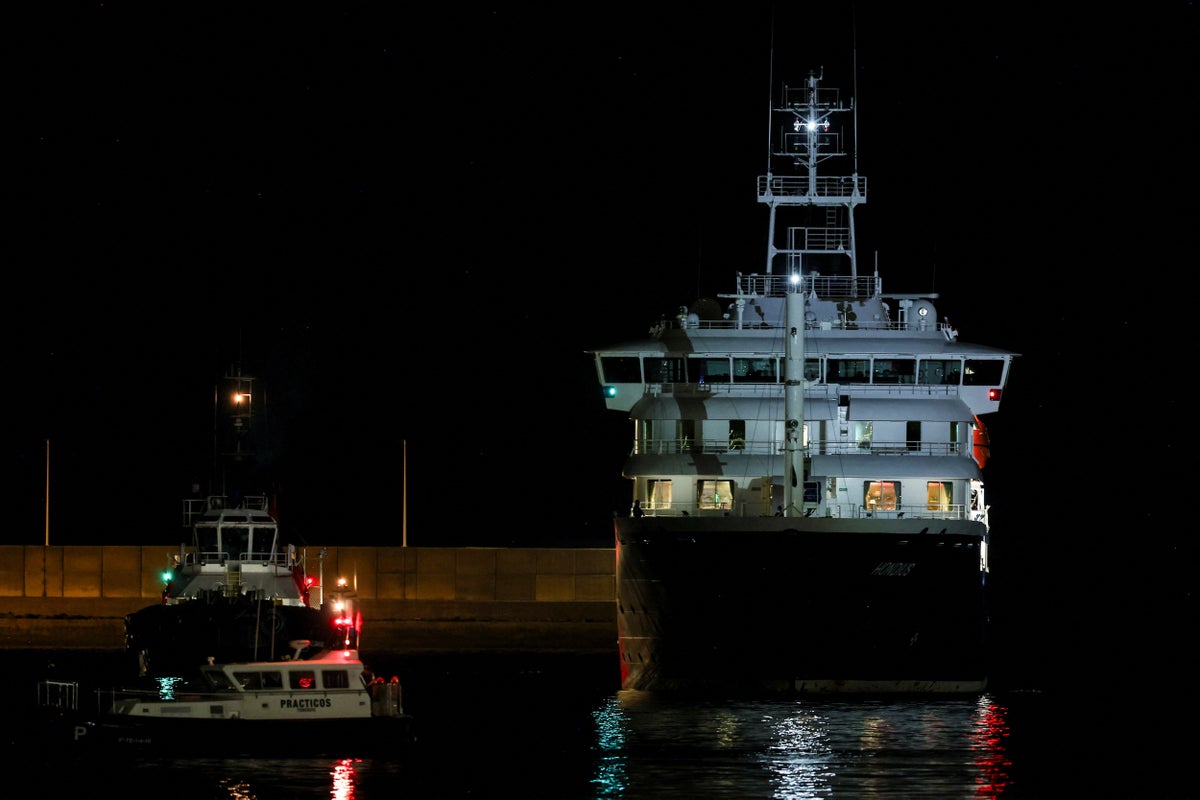
Panic spreads faster than any virus on a cruise ship. When news broke that a vessel carrying British passengers was rerouted to Tenerife due to a suspected Hantavirus outbreak, the headlines went into overdrive. You've probably seen the frantic reports of evacuation planes and biohazard protocols. It sounds like the plot of a bad disaster movie. But let's get past the clickbait and look at what's actually happening on the ground—and why this specific situation in the Canary Islands is weirder than your standard norovirus outbreak.
The UK government didn't send a plane just for the sake of it. They sent a specialized medical evacuation flight because Hantavirus isn't your typical stomach bug. It's rare. It's nasty. And frankly, it's not something we usually associate with luxury liners in the Atlantic.
The Tenerife Reroute and the British Evacuation
Right now, the ship is docked in Santa Cruz de Tenerife. Local port authorities and health officials are in a standoff with the logistics of moving potentially infected people through a major tourist hub. The British government stepped in because the medical facilities on a standard cruise ship simply aren't equipped to handle a hemorrhagic fever or severe respiratory distress of this caliber.
I’ve seen how these situations play out. One person gets sick, the infirmary gets nervous, and suddenly everyone's confined to their cabins eating lukewarm sandwiches while people in hazmat suits roam the hallways. It's a logistical nightmare. The decision to send a dedicated evacuation plane suggests the patient's condition—or the risk of spread—is high enough that standard commercial travel is off the table.
Public Health England and the Foreign Office are being tight-lipped about the exact number of people affected. We know at least one passenger is in critical condition. The plane is meant to whisk them back to a high-consequence infectious disease unit in the UK. This isn't just about one sick person. It's about containing a pathogen that most doctors in the UK haven't seen in years.
What Hantavirus Actually Is and Why It Matters
Most people think Hantavirus is something you only catch in the American Southwest or rural China. It’s a zoonotic virus. This means it jumps from animals to humans. Specifically, it comes from the droppings, urine, or saliva of infected rodents.
You aren't going to catch this from someone coughing on you in the buffet line—at least, not usually. Most strains, like the Andes virus, have very limited human-to-human transmission. But that doesn't make it safe. If a rodent gets into the ship's food stores or the ventilation system's intake near a port, you’ve got a problem.
The symptoms start out like a bad case of the flu. Chills, fever, and muscle aches. But then it takes a dark turn. Your lungs start filling with fluid. Doctors call this Hantavirus Pulmonary Syndrome (HPS). The mortality rate is terrifying, sitting around 38%. When you realize nearly four out of ten people who get the severe form don't make it, you start to understand why the UK government is burning fuel to get their citizens home.
How it gets on a ship
Cruise ships are floating cities. They're also massive metal boxes that sit in ports all over the world. Rodents are the ultimate stowaways. They can slip through mooring lines or hide in crates of fresh produce brought on board in South America or West Africa.
- Contaminated Food: If a mouse gets into the dry storage, it's game over.
- Ventilation: Dust containing dried rodent waste can be kicked up and sucked into the air ducts.
- Port Side Exposure: Passengers going on excursions in rural areas might bring the virus back on their clothes or gear.
The Reality of Medical Care at Sea
Let’s be honest about cruise ship doctors. They’re great for stitching up a gash from a slip on the pool deck or handing out sea-sickness meds. They aren't virologists. Most ships have a very basic lab. They can’t run a complex PCR test for rare viral antigens.
That’s why Tenerife is the pivot point. The Canary Islands have solid hospitals, but they also have a massive tourism industry to protect. They don't want a "plague ship" sitting in their harbor any longer than necessary. The evacuation plane is a relief valve. It gets the high-risk patient out of the local system and back into the hands of specialists who deal with rare pathogens daily.
If you’re on that ship, you’re likely facing a mandatory quarantine. It doesn't matter if you feel fine. The incubation period for Hantavirus can be anywhere from one to eight weeks. That is a long time to be looking at the same four walls of a cabin.
Why the UK is Taking This So Seriously
The UK has some of the strictest biosecurity protocols in the world. They’ve been on high alert for imported fevers since the Ebola outbreaks of the last decade. By sending a plane to Tenerife, they’re controlling the environment from the moment the patient leaves the ship until they hit the hospital bed in London or Sheffield.
This isn't just about the patient's health. It’s about the data. The UK Health Security Agency (UKHSA) will want to sequence this specific strain. Is it a known strain from a previous port of call? Or is it something new? If it shows any signs of easier human-to-human spread, the protocol changes from "evacuation" to "total lockdown."
What Travelers Need to Do Right Now
If you have a cruise booked, don't cancel it yet. But you need to change how you think about shipboard health. This isn't just about washing your hands after using the restroom.
- Check the Itinerary: Look at where the ship has been before you board. Ships that have recently been in South American or rural Asian ports have a higher baseline risk for different types of zoonotic diseases.
- Inspect Your Cabin: It sounds paranoid, but look for signs of pests. If you see droppings or chewed packaging in your cabin, demand a move immediately. Don't touch it.
- Medical Insurance: Make sure your travel insurance covers "repatriation by air ambulance." A private medevac from Tenerife to London can cost upwards of £50,000. If your policy doesn't cover it, you're relying on the government's mercy, and they might send you a bill later.
- Report the Flu: If you get a fever, don't "tough it out." Go to the ship's medical center. Early intervention for Hantavirus is the only thing that significantly lowers the mortality rate.
The situation in Tenerife is still developing. We’re waiting to see if more passengers show symptoms as the incubation period progresses. The ship will likely undergo a massive deep-clean using chlorine-based disinfectants that can kill the virus on surfaces.
This isn't the end of cruising, but it is a reminder that these ships aren't bubbles. They're connected to every port they touch. When the environment in those ports changes, the risks on the ship change too. Stay informed, watch the official UKHSA updates, and for heaven's sake, check your insurance policy before you set sail. If the government has to send a plane for you, you want to make sure someone else is picking up the tab.

