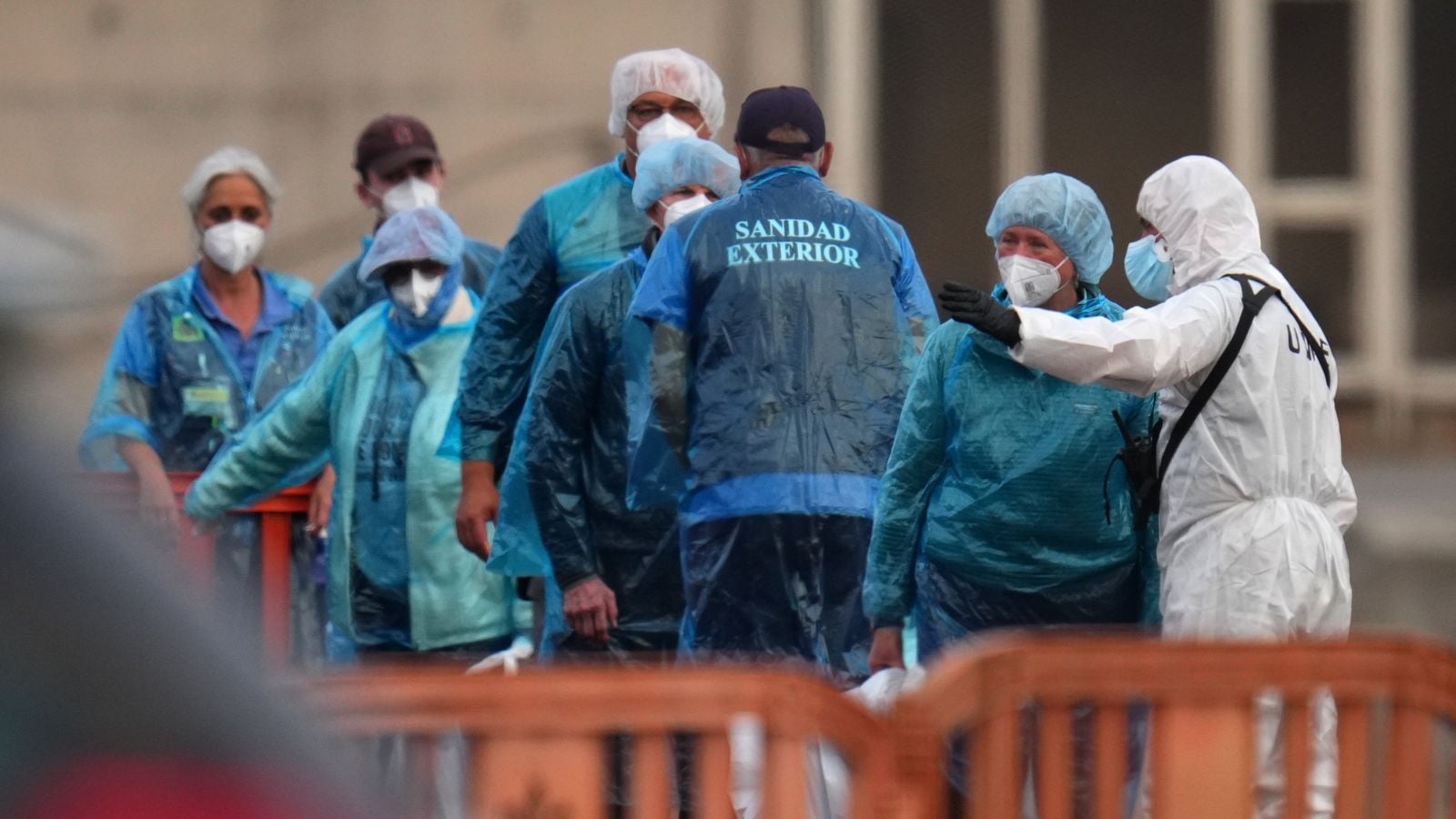
A vacation at sea shouldn't end with a machine breathing for you. Right now, a cruise passenger is fighting for their life on an artificial lung—technically known as ECMO—after contracting Hantavirus. This isn't just a freak accident. It’s the eleventh case in a sudden spike that’s catching health officials off guard. If you think this is just another version of the flu, you're dead wrong. Hantavirus kills about 38% of the people it infects. It’s fast, it’s aggressive, and it’s currently making a comeback in places you’d least expect.
The situation with the unidentified cruise passenger is what doctors call the final stage of care. When your lungs fill with fluid and your heart starts to fail, standard ventilators aren't enough. You need Extracorporeal Membrane Oxygenation (ECMO). This machine pulls blood out of your body, scrubs the carbon dioxide, pumps in oxygen, and sends it back. It’s a brutal, last-ditch effort to keep someone alive while their body tries to fight off a virus that effectively turns the lungs into sponges.
The Reality of Hantavirus Pulmonary Syndrome
Most people don't know what Hantavirus actually does to the body. We’re used to respiratory viruses that give us a cough or a fever. Hantavirus Pulmonary Syndrome (HPS) is a different beast entirely. It starts with fatigue, fever, and muscle aches, especially in the large muscle groups like the thighs and back. You might think you just overdid it at the ship’s gym or stayed out in the sun too long. Then, four to ten days later, the real nightmare begins.
Your lungs start filling with fluid. You can't catch your breath. It feels like someone is sitting on your chest. This isn't a slow decline. It’s a rapid "respiratory crash." Because there's no specific cure, vaccine, or even a targeted antiviral treatment for Hantavirus, doctors can only provide supportive care. They're basically trying to keep your organs running long enough for the virus to finish its cycle.
The current count of 11 cases is a massive red flag. While Hantavirus isn't a new discovery—the CDC has tracked it since the Four Corners outbreak in 1993—seeing it jump into the cruise industry suggests a shift in how humans are interacting with the environment. It also highlights a massive gap in how we screen for pests in luxury environments.
Rodents on a Plane or a Ship
You don't get Hantavirus from a sneeze. You get it from rodents. Specifically, deer mice, white-footed mice, and cotton rats. These animals shed the virus in their urine, droppings, and saliva. When these waste products dry out and get stirred up into the air, you breathe in the viral particles. It's called aerosolization.
Think about the ventilation systems on a massive cruise ship. If a single infected rodent gets into the ductwork or a storage area where linens are kept, those microscopic particles can travel. You aren't safe just because your cabin looks clean. If the "back of house" areas have an infestation, the air you breathe is potentially compromised.
Why the Case Count is Climbing
Climate change and urban sprawl are the usual suspects, but there’s more to it. When we have unusually wet winters followed by hot summers, rodent populations explode. They look for food and shelter, often finding it in human structures.
- Increased Rodent Pressure: High vegetation growth leads to more seeds, which leads to more mice.
- Infrastructure Gaps: Older ships or those that have sat idle for periods are prime real estate for nesting.
- Human Encroachment: We are hiking, camping, and traveling into areas where these rodents thrive more than ever before.
The ECMO Factor and Why It Matters
Hearing that a patient is on an "artificial lung" sounds like science fiction, but it's the only reason this passenger has a fighting chance. ECMO is incredibly resource-intensive. It requires a specialized team of perfusionists, nurses, and surgeons. Not every hospital has one.
The fact that a cruise passenger required this level of intervention tells us the viral load was likely high. It also raises questions about the delay in diagnosis. Early symptoms of HPS are notoriously "non-specific." If a ship's doctor treats a patient for a common cold and sends them back to their cabin, they're losing precious hours. By the time that passenger hits a port and gets to a major medical center, they might already be in the "crash" phase.
What You Are Not Being Told About Cruise Safety
Cruise lines hate talking about outbreaks. They’ll talk about Norovirus because they have to, but Hantavirus is a PR nightmare. It implies a lack of basic hygiene and pest control.
The industry standard for pest management is supposed to be rigorous. However, ships are essentially floating cities with miles of wiring, plumbing, and dark corners. It is impossible to guarantee a 100% rodent-free environment. When cases climb to 11, we have to stop looking at these as isolated incidents. We have to look at the supply chain. Were the rodents introduced through food shipments? Did they crawl aboard at a specific port of call?
The Diagnostic Struggle
Part of the reason the death rate stays so high is that doctors often don't suspect Hantavirus until it’s almost too late. If you haven't been cleaning out a dusty shed or camping in the woods, it’s not on the radar. A cruise passenger doesn't fit the "profile" of a Hantavirus victim. This bias in the medical community is dangerous. If you've been traveling and you develop a fever along with severe muscle aches, you need to be your own advocate. Don't let them tell you it's just a cold.
Protecting Yourself While Traveling
You can't control the ship's ventilation, but you can control your exposure to certain risks. If you see signs of rodents—droppings, chewed packaging, or a "musty" smell in your cabin—demand a move immediately. Don't wait.
If you are hiking during a port excursion, stay on marked trails. Avoid "exploring" old, abandoned buildings or caves where mice might nest. It sounds like common sense, but the desire for a "unique" vacation photo often leads people into high-risk areas.
Immediate Steps if You Feel Sick
If you develop a fever within one to eight weeks of being in a place where rodents might have been, watch your breathing.
- Monitor Your Breath: If you feel even slightly short of breath doing normal activities, get to an ER.
- Disclose Your Travel: Tell the doctor exactly where you've been. Mention the Hantavirus spike.
- Check Your Blood Work: Hantavirus often causes a drop in platelets and an increase in white blood cell counts before the lungs fail.
We are seeing a shift in how these "rural" diseases interact with global travel. Eleven cases might not sound like a lot in a world of millions, but when the mortality rate is nearly one in three, every single case is a potential catastrophe. The cruise passenger on life support is a stark reminder that our luxury bubbles are more porous than we like to admit.
Stop assuming that a high ticket price buys you immunity from nature. It doesn't. Stay alert to your surroundings. Check your cabins. Demand better transparency from the cruise lines. If the industry doesn't take this spike seriously, that passenger on the artificial lung won't be the last. Be aggressive about your health because, by the time the "respiratory crash" hits, it's out of your hands.