When you book a luxury expedition cruise from the southern tip of Argentina to the remote islands of the Atlantic, you expect to bring back photos of penguins and icebergs. You don't expect to be part of a high-stakes medical drama involving one of the world's most terrifying pathogens.
The MV Hondius, a Dutch-flagged vessel designed for polar exploration, is currently steaming toward the Canary Islands. It's not a victory lap. It’s a desperate attempt to find a safe harbor after a hantavirus outbreak turned a dream vacation into a floating quarantine zone. Three people are dead. Several others are fighting for their lives. Local residents in Tenerife are, quite frankly, terrified.
Here's the reality: this isn't just about a few sick passengers. It's a clash between international humanitarian duty and regional safety. Spain’s central government says they have a moral obligation to help. The Canary Islands’ local leaders? They're asking why a ship with a deadly virus is being sent to their doorstep instead of a specialized facility elsewhere.
The Viral Outbreak No One Saw Coming
Hantavirus isn't your typical cruise ship norovirus that just ruins your dinner and keeps you in the bathroom for 48 hours. We're talking about something far more sinister. Most hantavirus strains come from rodent droppings and aren't easy to catch. But the strain suspected here — the Andean strain — is a rare beast. It’s the only one known to jump from person to person through close contact.
The story starts in Ushuaia, Argentina. A Dutch couple reportedly went birdwatching and visited a landfill before boarding the ship on April 1. It’s believed they were the "index cases," coming into contact with infected rodents there. Since then, the virus has moved through the ship like a ghost.
- April 11: A Dutch passenger dies on board.
- April 27: His wife dies. A British passenger is evacuated to intensive care in South Africa.
- May 2: A German national dies.
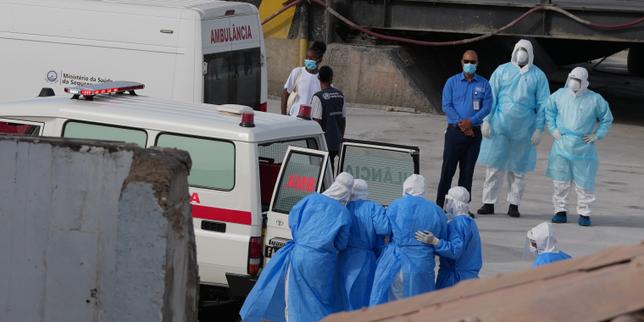
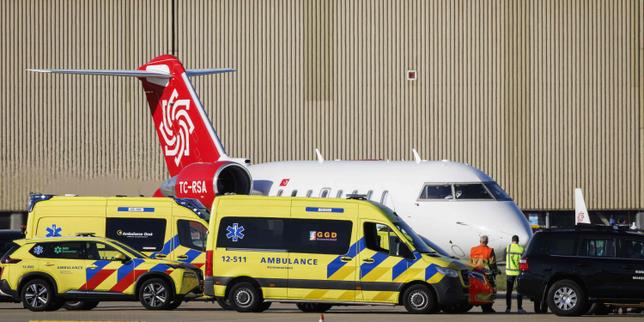
- May 6: Medical evacuations move three more patients to the Netherlands for specialized care.
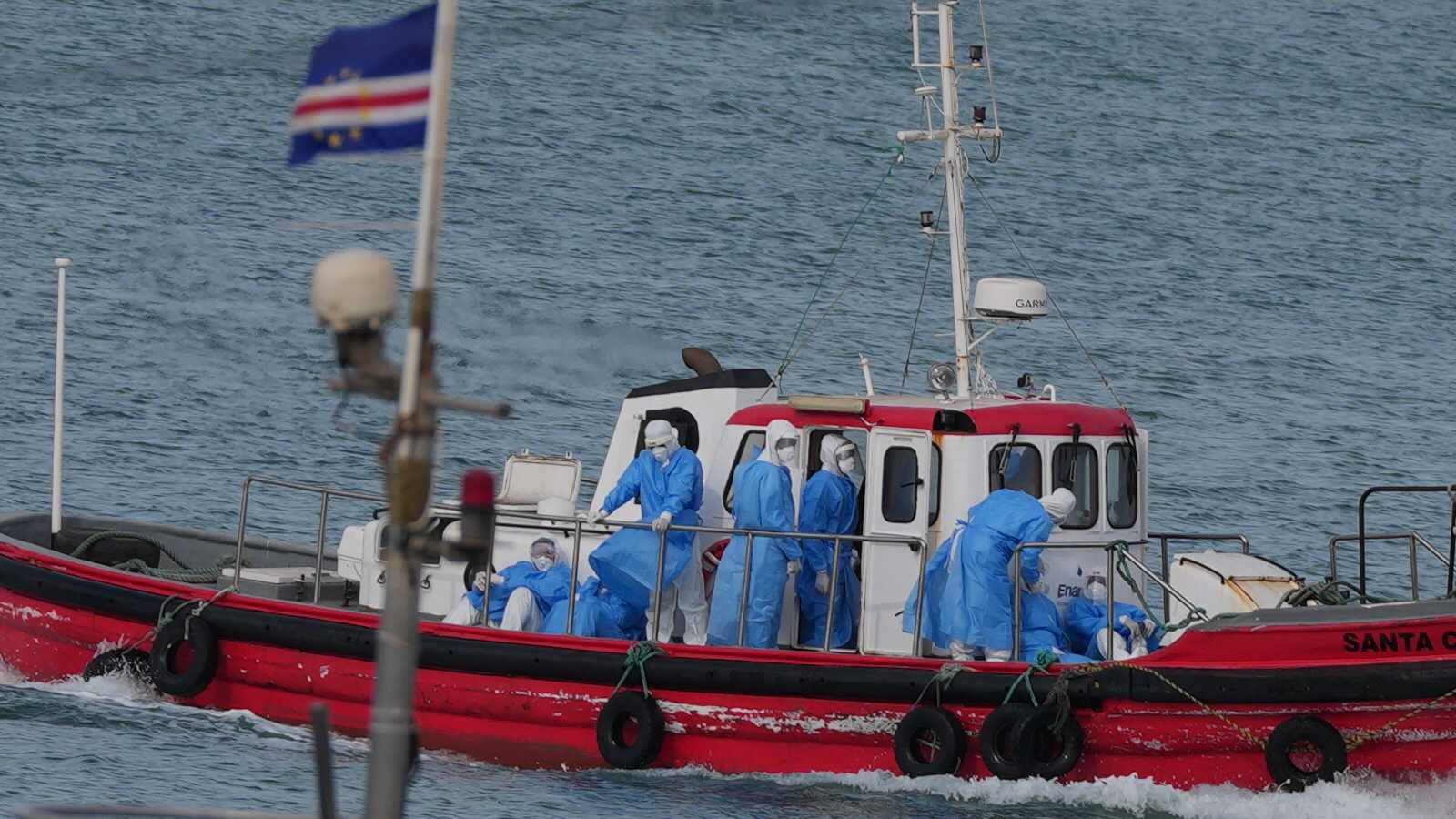
Right now, about 150 people from 23 different countries are trapped in a metallic tube in the middle of the Atlantic. They're masking up, using hand sanitizer like it's water, and trying to stay socially distanced in a space designed for intimacy.
Why the Canary Islands Are Bracing for Impact
The Spanish Health Ministry, led by Monica Garcia, gave the green light for the MV Hondius to dock in Tenerife. The logic? Cape Verde doesn't have the medical infrastructure to handle a potential pandemic-level pathogen, and the Canary Islands do.
But the local pushback has been fierce. The Mayor of Granadilla de Abona, José Domingo Regalado, has been vocal about his opposition. He doesn't want the ship in his port. He wants it disinfected on the high seas. He wants the passengers flown out from a remote airstrip, not walked through a local dock.
You can’t blame him. Memories of the 2020 pandemic are still fresh. When you hear "deadly virus" and "cruise ship" in the same sentence, the natural instinct is to pull up the drawbridge.
Understanding the Real Risk of Hantavirus
Is the public in the Canary Islands actually in danger? Probably not, but the "probably" is what’s keeping people up at night.
The World Health Organization (WHO) insists the risk to the general public is low. For the Andean strain to spread, you need "very close contact." We're talking about sharing a cabin, a bed, or providing direct medical care without PPE. It doesn't float through the air like COVID-19.
The real danger is for those on the ship. The Hantavirus Cardiopulmonary Syndrome (HCPS) has a staggering 35% mortality rate. Compare that to the 1-2% rate we saw with early COVID-19 strains, and you realize why the authorities are moving with such extreme caution.
The Logistics of the Rescue Operation
Once the ship docks at the industrial port of Granadilla, here’s what’s supposed to happen:
- Full Inspection: The Spanish Health Ministry and the ECDC will board the ship for a total clinical assessment.
- Repatriation: Most non-Spanish passengers will be sent back to their home countries immediately if they're symptom-free.
- Military Quarantine: The 14 Spanish passengers on board won't be going home to their families. They’re headed for a military hospital in Madrid for a 45-day quarantine.
What This Means for the Future of Expedition Cruises
This incident is a massive wake-up call for the "off-the-beaten-path" travel industry. When you take people to remote corners of the globe — from Argentinian landfills to isolated Atlantic islands like Saint Helena — you’re exposing them to local biothreats that urban hospitals aren't ready for.
If you’re a traveler, you need to be smarter. Birdwatching in South America sounds like a blast, but it’s a reminder that rodents and their habitats are major disease vectors.
If you’re watching this from the shore in Tenerife, stay calm. The protocols being put in place are some of the strictest ever seen for a maritime medical event. The ship is expected to arrive within the next 48 to 72 hours.
Keep an eye on official health updates from the Spanish Ministry of Health and the WHO. Don't buy into the panic on social media. The focus right now is getting those 150 people off that ship safely, disinfecting the vessel, and ensuring the Andean strain doesn't find a new home in Europe.
Check your travel insurance policies if you have an upcoming cruise. Many standard plans don't cover "quarantine by a government authority" unless you are personally sick. It’s a loophole that’s about to cost a lot of people a lot of money.