In the sprawling urban townships of Cape Town, systemic poverty operates with the relentless predictability of a metronome. Traditional youth interventions often arrive wrapped in bureaucratic red tape or underfunded school programs that vanish the moment a municipal grant runs dry. Yet, tucked away in neighborhoods like Salt River, a different kind of institution has spent decades defying those odds. The Zip Zap Circus, founded in 1992, uses acrobatics, tightropes, and tumbling not merely to entertain audiences, but to rewrite the structural realities of marginalized young South Africans. This is not a feel-good performance troupe putting on charity shows; it is a rigorous, alternative educational ecosystem designed to engineer social mobility from the ground up.
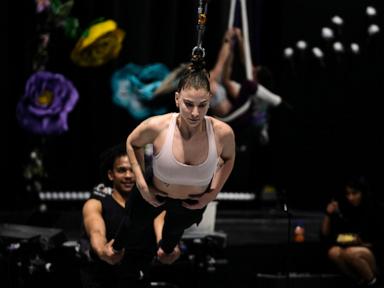
To understand why this model succeeds where traditional schooling frequently stumbles, one must examine the mechanics of social circus. Mainstream education in under-resourced areas is often plagued by high student-to-teacher ratios, crumbling infrastructure, and an absence of extracurricular lifelines. When a teenager steps onto the training floor of a professional circus academy, the dynamic shifts entirely. Physical disciplines like the Chinese pole, trapeze, and acro-balance require absolute mutual reliance. If a base flyer fails to catch a teammate, gravity enforces immediate consequences. This environment fosters a unique brand of radical accountability. Participants learn discipline not because a detached authority figure demands obedience, but because their peers literally hold their safety in their hands.
Critics of arts-based social interventions often point to scalability limitations. Can juggling and tumbling genuinely compete with the macro-economic forces of youth unemployment and regional crime? The skepticism is fair. A handful of acrobatic graduates cannot single-handedly fix structural deficits left behind by decades of socioeconomic inequality. However, dismissing these programs ignores the tangible economic pipeline they construct. Advanced performers from these academies do not just gain self-confidence; they acquire high-level motor skills, stage presence, and international touring experience that translate directly into vocational opportunities. They work in global entertainment productions, corporate events, and specialized coaching roles across continents, converting physical discipline into sustainable livelihoods.
Operating such an intensive training ground requires navigating a precarious financial tightrope. Unlike state-funded institutions, organizations relying on private philanthropy, corporate sponsorships, and ticket sales are perpetually vulnerable to economic downturns. When global markets contract, donor budgets shrink. This creates a continuous cycle of operational anxiety for leadership teams trying to keep training free for participants who could never afford elite arts education. The burden of sustaining these academies falls heavily on private goodwill rather than guaranteed public infrastructure, leaving a proven poverty-reduction tool constantly exposed to external financial shocks.
Beyond the balance sheets and training mats lies a deeper cultural transformation. South Africa's youth bear the generational weight of a divided history, where communities were historically fragmented along racial and economic lines. Inside these training spaces, those artificial boundaries dissolve under the weight of shared physical exertion. Teenagers from vastly different townships train side-by-side, forced to communicate, trust, and collaborate. They build a micro-society based on merit, mutual respect, and shared ambition.
When the lights go down and these young performers launch themselves into the air, they are not escaping their realities through mere illusion. They are demonstrating a calculated mastery over physical space that mirrors the control they are slowly wresting back over their own lives. The apparatuses may pack down and the big tops may travel, but the structural resilience hammered out on those training floors remains permanently anchored in the streets of Cape Town.