The Lunchbox Standard
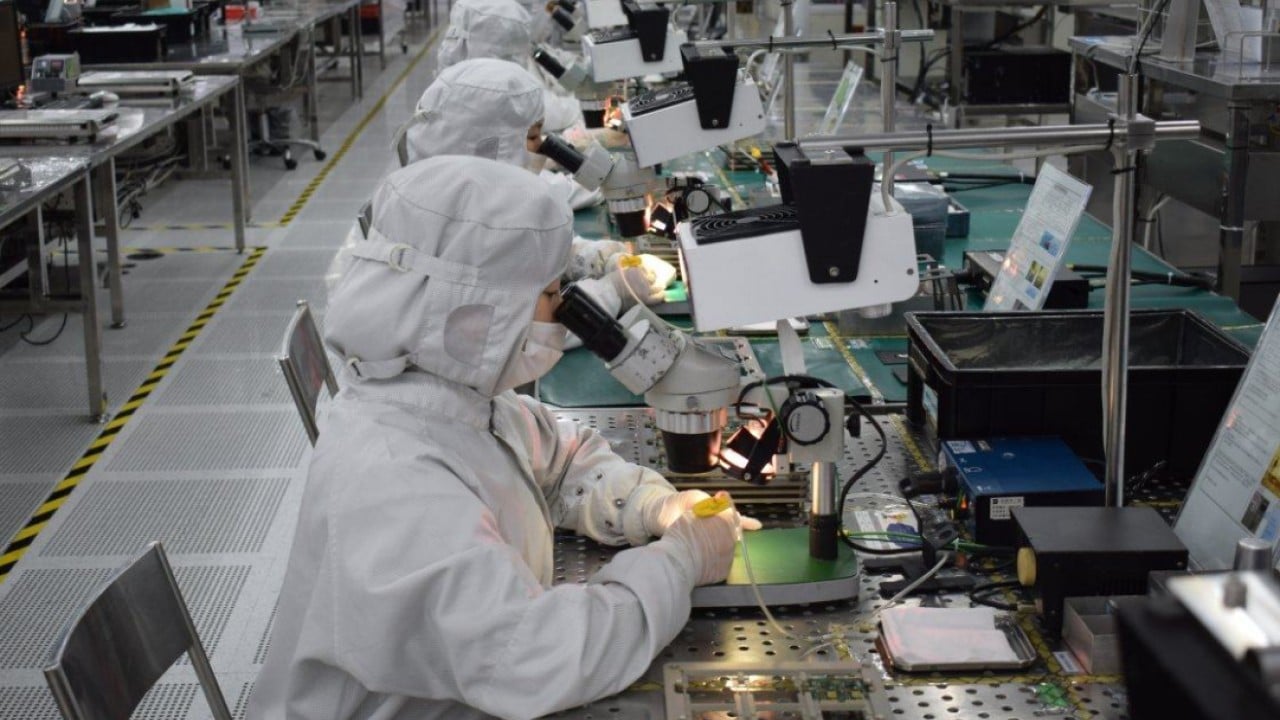
Sarah stood in the fluorescent-lit aisles of a commercial kitchen, watching a USDA inspector meticulously measure the temperature of a sliced deli turkey breast. The thermometer beeped. Two degrees too warm. The batch was red-tagged, destined for the dumpster.
Every single ingredient in that ham sandwich on rye had lived a life of rigorous documentation. The wheat was grown under strict agricultural guidelines, the mayonnaise subjected to federal microbiological thresholds, and the plastic wrap tested for chemical leaching.
Ten feet away from that inspection table sat a server rack humming quietly in an air-conditioned closet. Inside those silicon gates, a neural network was processing millions of proprietary data points to predict human behavior, sort job applicants, and determine credit scores across three states. No inspector had checked its code. No federal agency had verified its training data. No safety seal protected the public from its biased outputs.
We have built a society where a single bacterium in a BLT can trigger a nationwide recall, yet an autonomous intelligence system can alter the trajectory of a human life with zero prior approval, zero transparency, and zero accountability.
How did we end up in a world where cold cuts face more scrutiny than artificial intelligence?
The Anatomy of a Precautionary Culture
To understand the disparity, we have to look backward. Food regulation was not born out of foresight; it was born out of mass poisoning. When Upton Sinclair published The Jungle in 1906, the public recoiled from the horrific realities of Chicago meatpacking plants. The response was swift and legislative: the Pure Food and Drugs Act of 1906.
For over a century, our regulatory philosophy became inherently precautionary. If you want to sell a pill, a pesticide, or a package of sliced cheese, you must prove it is safe before it touches a consumer's hands. The burden of proof rests squarely on the creator.
Digital technology, however, grew up under a different gospel.
Spawned in the anarchic, high-growth culture of late-century software development, the prevailing ethos was simple: move fast and break things. When what you are breaking is code, the worst-case scenario is a blue screen of death or a corrupted save file. But software stopped living behind plastic monitors a long time ago. Code now writes laws, diagnoses diseases, approves mortgages, and drives vehicles down crowded city streets.
Yet the regulatory framework remained trapped in the nineties.
Consider what happens when a food manufacturer wants to introduce a new preservative. They run toxicity studies, allergen tests, and longitudinal metabolic assessments. The FDA reviews the dossier. Months, sometimes years, pass before approval.
Now consider what happens when a technology firm wants to deploy a new foundation model with hundreds of billions of parameters. They press a button. It is pushed to millions of users instantly.
We regulated physical objects because we can touch them, taste them, and trace their physical harm. We failed to regulate digital systems because code looks weightless. It feels abstract. We mistook the absence of physical mass for an absence of risk.
The Illusion of Complexity
There is a convenient excuse often whispered in the boardrooms of technology firms and the halls of Congress: software is just too complex to regulate.
This is a polite fiction.
We manage other hyper-complex, invisible systems every single day. Commercial aviation is governed by millions of lines of avionics software, yet every line of critical code undergoes rigorous verification through standards like DO-178C. Financial markets are dominated by lightning-fast high-frequency trading algorithms, yet the Securities and Exchange Commission enforces strict circuit breakers and compliance audits to prevent flash crashes.
Nuclear reactors are controlled by systems infinitely more complex than a standard chatbot, yet they are subjected to some of the most stringent multi-agency oversight on Earth.
The claim that artificial intelligence is uniquely unregulatable is not an engineering truth; it is a political choice.
When we say something is too complex to oversee, what we usually mean is that we are unwilling to slow down. We have conflated velocity with progress. We have allowed the commercial imperative of market dominance to outpace our collective instinct for self-preservation.
Think about the human cost of this asymmetry. Imagine Marcus, a qualified applicant living in a mid-sized rust-belt city, applying for a mortgage. An opaque credit-scoring algorithm, trained on historical data riddled with systemic biases, flags his profile as high-risk. The system rejects him in milliseconds. Marcus receives a generic rejection letter. He cannot call the algorithm. He cannot cross-examine its training weights. He cannot ask it to explain why his zip code mattered more than his steady income.
Meanwhile, if Marcus buys a container of yogurt that makes him mildly sick, he has a clear line of recourse. He can contact the store, report the batch number to the health department, and trigger an investigation.
A bad sandwich ruins an afternoon. A bad algorithm can ruin a life.
The Weight of the Invisible
We are standing at a strange historical crossroads. We treat atoms with profound respect and bits with reckless abandon.
The regulatory gap is not merely a legal oversight; it is a philosophical failure. We have forgotten that technology is not a neutral force of nature. It is an artifact of human design, imbued with the biases, blind spots, and ambitions of its creators. When we grant software total immunity from pre-market safety testing, we are not championing innovation. We are gambling with the stability of our social fabric.
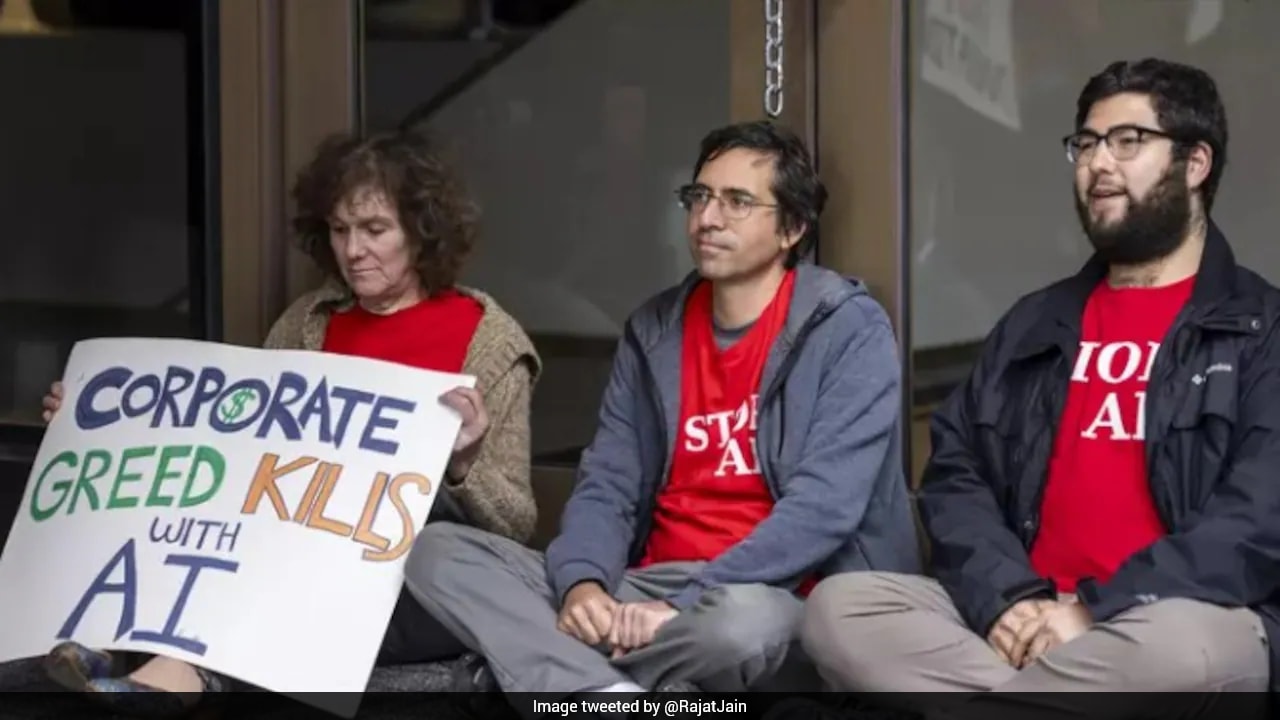
Change will not come from inside the server room. Engineers are trained to solve technical puzzles, not moral dilemmas. The impetus must come from a public that is slowly waking up to the realization that the digital world is no longer a playground; it is the infrastructure of modern civilization.
We need a new social contract. One that demands transparency not as an afterthought, but as a prerequisite. One that requires independent algorithmic audits before deployment, clear lines of liability when automated systems fail, and a cultural recognition that digital safety is just as vital as food safety.
The inspector with the thermometer in the commercial kitchen is not a symbol of red tape or bureaucratic stagnation. They are a monument to human empathy—a reminder that a society is judged by how carefully it protects its most vulnerable from unseen harm.
It is time we extended that same basic dignity to the digital age.
Before the lunch break is over.