Glass towers in Moscow do not shatter with a loud, cinematic crash. They empty out quietly. One morning, the espresso machines go cold, the security passes stop buzzing against the turnstiles, and the legal teams pack their leather briefcases with a speed born of sudden, sharp terror. Billions of dollars in machinery, patents, storefronts, and logistics networks are left behind like abandoned coats on the back of a chair.
Then, the doors are locked from the outside.
For months, the narrative was absolute. Exiting corporations wrote off their multi-billion-dollar Russian footprints as a permanent casualty of geopolitics. They absorbed the blow, adjusted their balance sheets, and tried to look forward. But property, once abandoned, rarely stays ownerless for long. Someone else moves into the warm room. State-backed entities take over the assembly lines. Local managers try to keep the lights on with substitute parts and improvised supply chains.
And now, a new whisper travels through the corridors of power in the Kremlin.
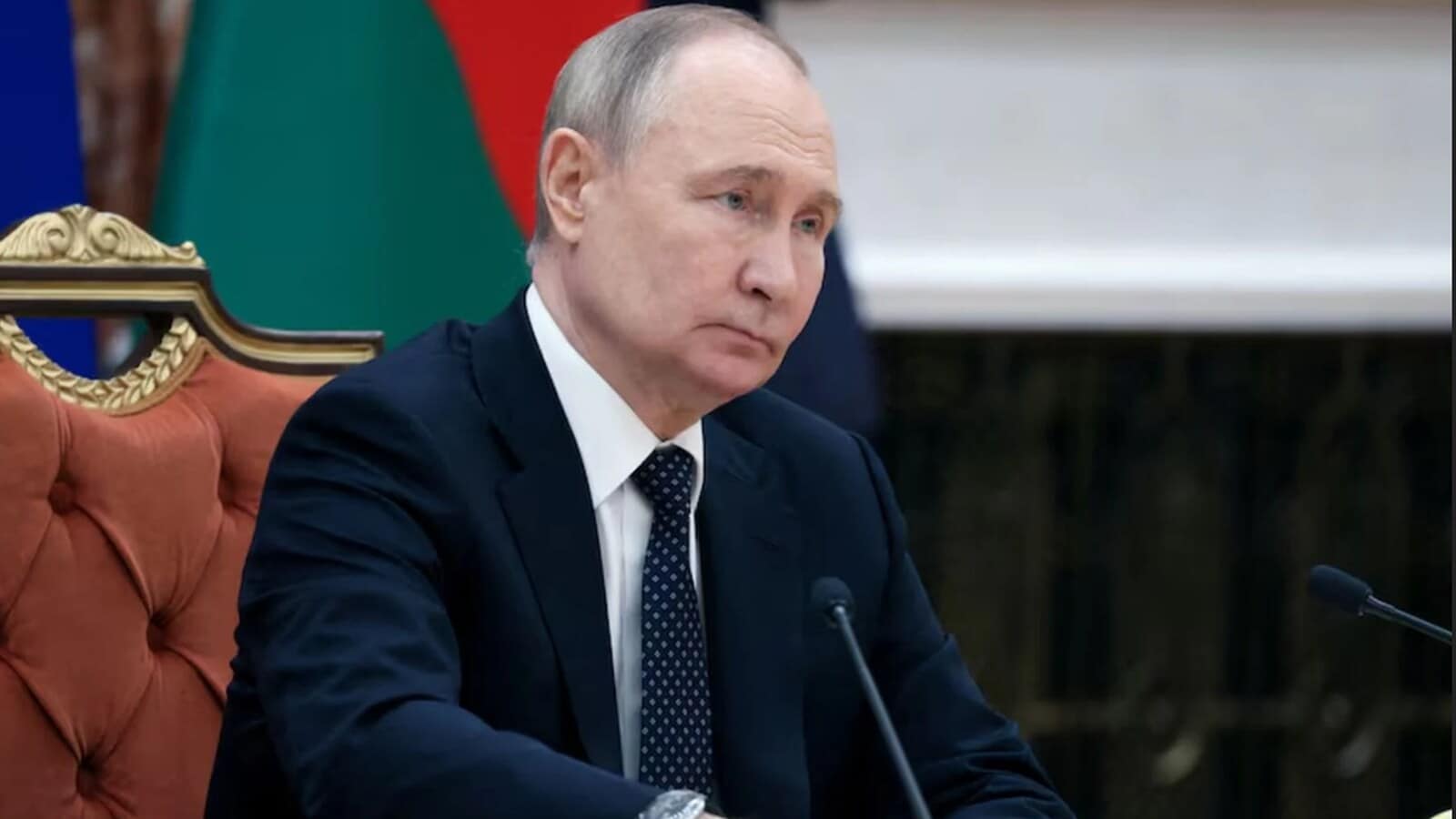
Vladimir Putin floats an idea that sounds like an olive branch dipped in ice. Western companies, he suggests, might just get their assets back. Under a favourable scenario.
Conditional return. It is a phrase designed to make a corporate board member's pulse spike. It dangles the possibility of undoing a catastrophic write-down. It offers a path to reclaim the factories, the brands, and the market share that generations of executives built.
To understand why this offer is so dangerous, you have to look at what happens when a factory stops belonging to its maker.
Consider a hypothetical corporate strategist named Elena, sitting in a glass-walled office in Frankfurt. Two years ago, she watched her firm’s massive distribution network in Russia vanish overnight. The board wept over the quarterly losses. They severed ties cleanly, publicly, and permanently. Today, Elena receives a memo regarding Putin's latest statements. The company’s old bottling plant in Nizhny Novgorod is still standing. The local management team, now operating under a domestic Russian banner, has actually managed to keep production going, though with local inputs and inferior margins.
The Kremlin's signal implies that if the political climate thaws, the door could swing back open. Elena’s phone begins to ring. Investment bankers smell blood and opportunity. They start running numbers. If they return, they recapture millions in productive capacity. If they stay away, they forfeit it forever to domestic competitors who are cementing their monopoly.
It sounds like a second chance. It is actually a trap.
Property in geopolitics is never just physical; it is political leverage. When foreign firms fled Russia in the wake of the 2022 invasion of Ukraine, they did not just walk away; they left behind a vacuum that the state eagerly filled. Assets were valued at fire-sale prices, often transferred to friendly local oligarchs or state-controlled funds under severe duress.
Now, offering them back—on a favourable scenario—means setting the terms of engagement. It means the Kremlin decides what constitutes "favourable." It means companies would have to re-enter a jurisdiction where the rule of law has been entirely subordinated to the whims of wartime governance. To get your factory back, you might first have to navigate a labyrinth of legal claims, compliance hurdles in your home country, and the quiet expectation that your corporate voice will align with Moscow's interests.
Trust is like oxygen. Once it is sucked out of a room, you cannot simply pump it back in with a press conference.
The companies that originally fled did so not merely because of sanctions, but because their brand reputations in Western markets would have burned to ash had they stayed. Consumers in London, New York, and Paris watched the war unfold in real time on their phones. A corporation caught paying taxes to a wartime economy faced immediate, merciless public backlash.
If those same companies march back into Russia because the door was left ajar, what happens to their standing at home?
The Western regulatory environment has not softened. Sanctions remain thick, complex, and heavily enforced. Compliance departments are still jittery. A board that votes to re-enter the Russian market today is stepping directly into a crossfire between Western enforcement agencies and Eastern political maneuvers. They would be walking back into a building where the locks have been changed, handed a key by the very person who threw them out, and told to smile for the cameras.
History suggests that when a state invites foreign capital back under duress, the capital rarely dictates terms. Instead, it becomes a hostage to fortune. Look back at previous economic isolations throughout the twentieth century. When the political winds shifted, assets were welcomed back only to be taxed punitively, regulated out of profitability, or re-nationalized the moment geopolitical tensions flared again.
The trap is brilliant in its simplicity. It exploits the fundamental vulnerability of corporate capitalism: the inability to ignore a ledger sheet showing billions of dollars in stranded value. It whispers to the greed and the FOMO of executives who hate to leave money on the table.
Elena stares at the spreadsheet on her monitor. The numbers are staggering. The potential recovery could make her career. But then she looks at the news ticker at the bottom of her screen. She remembers the frantic midnight calls from two years ago, the scramble to protect employees, the sudden realization that contracts mean nothing when tanks roll.
The key is in the lock. But turning it means stepping back into a room where you no longer own the walls, the floor, or the air you breathe.
The door opens just enough to let you see what you lost. Whether you are foolish enough to step back inside depends entirely on how quickly you forgot the price of leaving.