Geopolitical volatility operates through predictable transmission mechanisms rather than random shocks. When friction materializes across North American trade corridors and Middle Eastern energy chokepoints, market commentary typically defaults to superficial panic narratives. Deconstructing these events requires moving past transient headlines to analyze the structural vulnerabilities of global supply chains, energy pricing feedback loops, and capital allocation shifts.
The interaction between regional military posture and commodity pricing is governed by specific physical and financial constraints. When physical transit routes face disruption, the primary variable is not just the volume of lost throughput, but the cost function of rerouting capital and physical assets.
The Three Vectors of Geopolitical Transmission
Capital markets price international friction through three distinct operational channels: energy cost baselines, maritime logistics bottlenecks, and sovereign risk premiums. Each vector possesses unique elasticity coefficients that dictate how quickly local conflict translates into global macroeconomic stress.
Energy pricing represents the fastest transmission mechanism. When maritime choke points experience security interventions or blockades, the marginal barrel of oil faces immediate pricing pressure. This is driven less by absolute supply destruction and more by the inventory holding costs of rerouting tankers around alternate geographies. The financial impact scales exponentially rather than linearly because modern supply chains operate on lean inventory models with zero structural slack.
Logistical rerouting introduces friction into intermediate goods and raw materials. North American trade corridors, while geographically distinct from Middle Eastern conflict zones, absorb secondary shocks via currency fluctuations and investor risk-off behavior. When volatility spikes, institutional capital retreats from emerging or frontier assets toward safe-haven sovereign debt, tightening global liquidity conditions independently of central bank policy.
The Economic Mechanics of Maritime Interruption
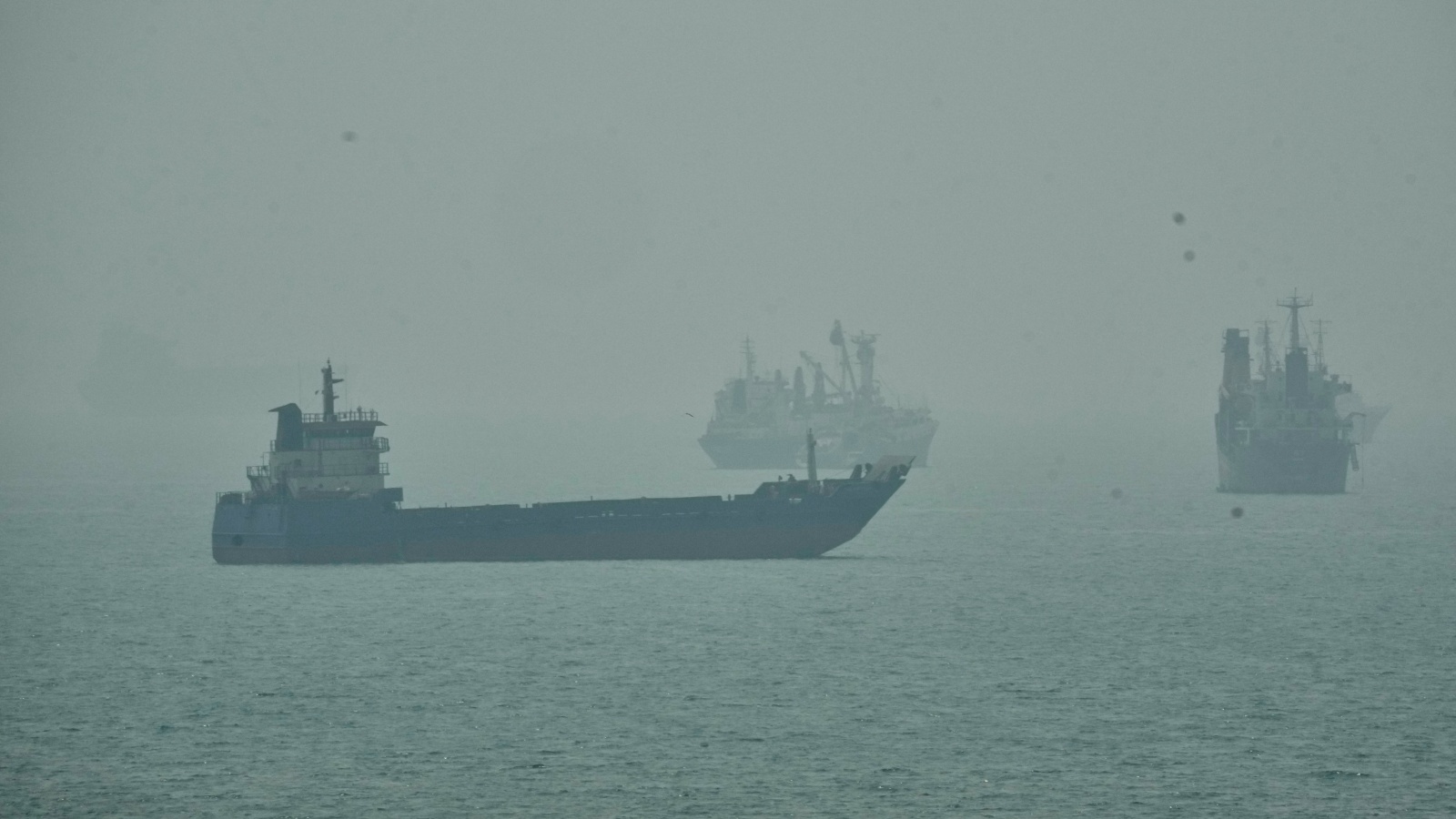
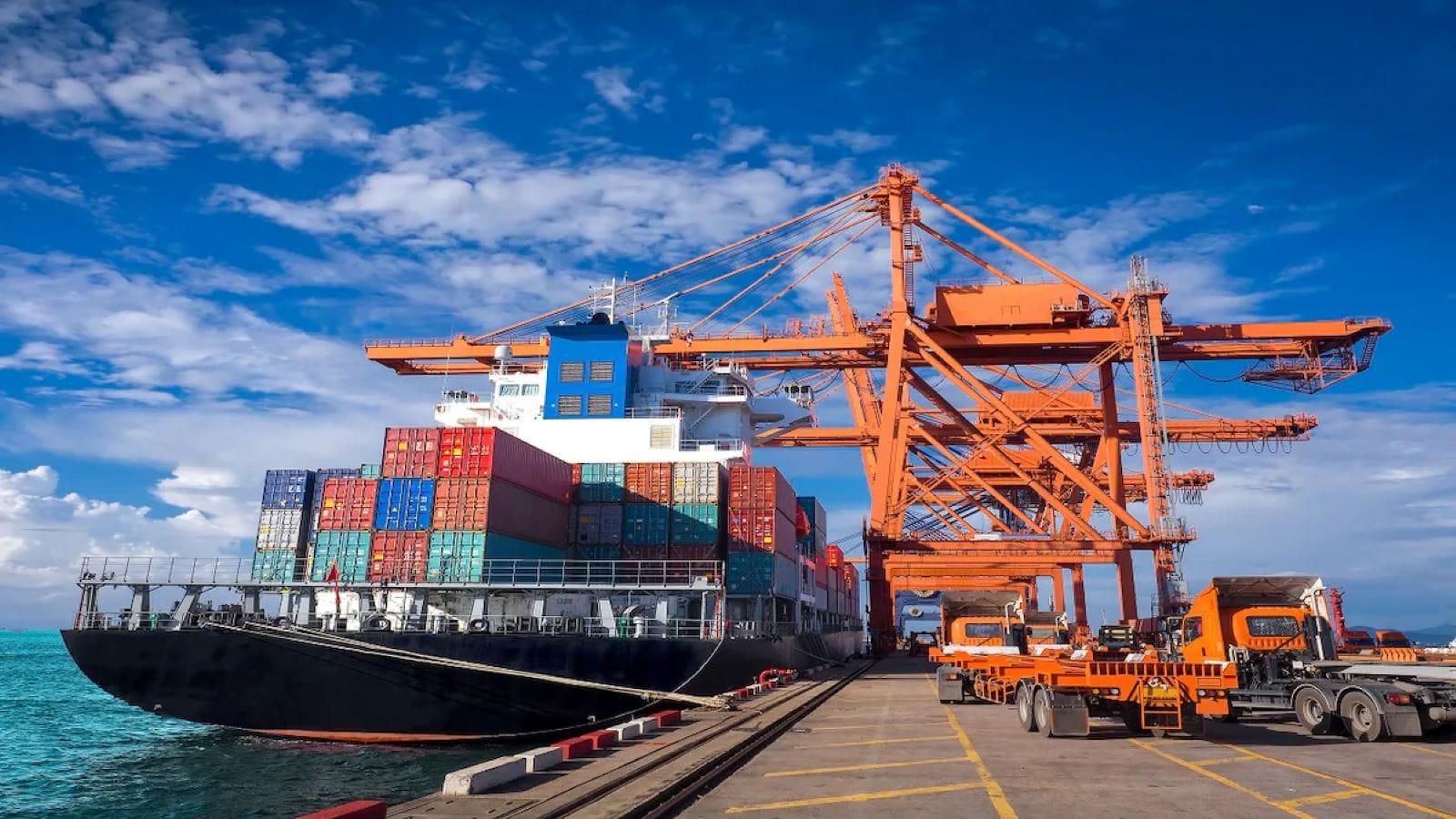
Maritime bottlenecks dictate the velocity of global trade. The physical closure or restriction of strategic straits forces vessel operators into longer transit loops, effectively reducing the global active shipping fleet through extended turnaround times.
- Transit Time Inflation: Alternative routes around major continental landmasses add days or weeks to voyage durations, directly increasing fuel consumption and operational expenditure per unit delivered.
- Fleet Capacity Contraction: Longer voyages tie up container ships and supertankers for extended windows, creating artificial capacity shortages even when total vessel count remains constant.
- Insurance Risk Realignment: Underwriters reprice maritime insurance premiums based on hull risk and cargo exposure, baking structural inflation into delivered commodity prices.
These factors compound to create a permanent cost floor. Even after physical security measures restore passage, the baseline cost of moving goods remains elevated due to higher amortized insurance rates and locked-in charter contracts.
Capital Allocation Under Structural Uncertainty
Investors navigating multi-region friction must abandon asset-class symmetry. Traditional portfolio diversification models assume uncorrelated risk factors, but systemic geopolitical stress correlates asset classes downward as liquidity preference converges toward cash and short-duration instruments.
Equities exposed to high input costs or international supply chains experience multiple compression. Conversely, defensive sectors with pricing power pass input inflation downstream to end consumers without eroding margin profiles. The strategic response requires separating operational resilience from financial leverage. Organizations with clean balance sheets and localized supply networks absorb systemic shocks efficiently, whereas highly leveraged entities dependent on continuous JIT (just-in-time) inventory replenishment face severe operational bottlenecks.
Monitor changes in interbank lending spreads and shipping container spot rates as leading indicators of systemic stress rather than lagging equity indices. Allocate capital toward enterprises possessing structural pricing power and geographically diversified input sourcing to insulate portfolios against non-linear escalation cycles.
Stocks show resilience as Middle East tensions escalate
This video provides relevant market context on how equities and commodities historically react during periods of escalating tension in the Middle East.