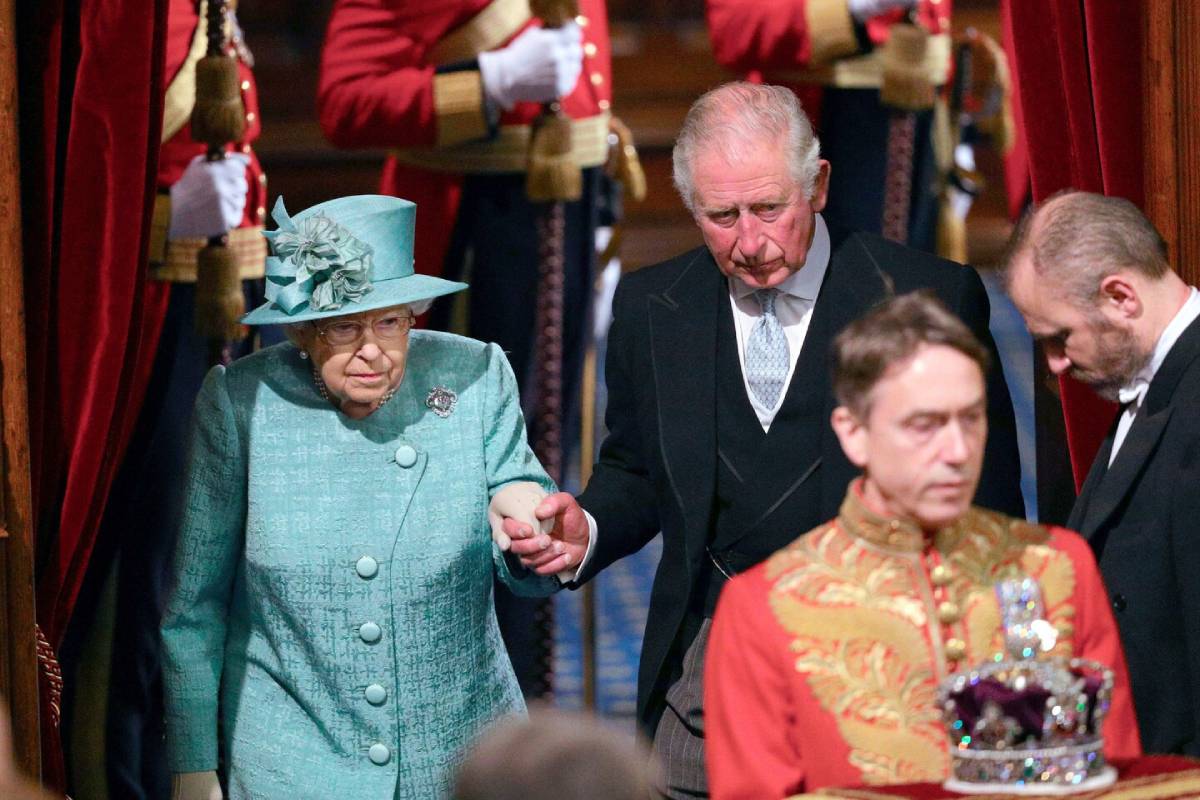
Walk through the gates of Buckingham Palace as a tourist, and you are struck by the sheer scale of the stone, the precision of the guards, and the gold leaf glittering under a gray London sky. It feels like old money. It feels permanent.
But if you look closer at the machinery behind the monarchy, the grand illusion begins to fracture. The British Royal Family is often viewed through the lens of fairy tales or tabloid drama, a collection of individuals born into unimaginable luxury. The reality is far colder, calculated, and corporate. They are not merely a family. They are executives managing a multi-billion-dollar corporate entity known informally inside palace walls as The Firm.
To understand their wealth is to understand a complex web of medieval laws, modern tax exemptions, and public relations tightropes. It is a financial empire where billions change hands, yet the individuals at the center of it cannot simply cash out and walk away. They are wealthy, yes, but they are also gilded cogs in a hereditary machine that demands total subservience to the bottom line.
The Sovereign Grant and the Public Ledger
Every year, a massive transfer of wealth occurs between the British government and the reigning monarch. This is the Sovereign Grant. To the average taxpayer struggling with inflation and rising energy bills, the multi-million-pound figure looks like a direct handout. The mechanics, however, tell a different story.
The arrangement dates back to 1760, when King George III struck a deal with Parliament. He surrendered the income from the Crown Estate—a vast portfolio of land, coastline, and commercial properties—in exchange for a fixed annual payment.
Consider how this functions today. The Crown Estate is not the private property of King Charles III. He cannot sell a prime piece of real estate on Regent Street to buy a superyacht. Instead, the estate is managed by an independent board. All its massive profits go directly into the UK Treasury. The government then hands a percentage of those profits back to the King to fund official royal duties, travel, and palace maintenance.
Recently, that percentage sat at 25 percent, inflated to cover the massive, ongoing renovation of Buckingham Palace. When the Crown Estate reaps massive windfalls—such as the recent billions generated from leasing seabed rights for offshore wind farms—the royal payout swells.
This creates an uncomfortable tension. While ordinary citizens watch public services face cuts, the royal ledger expands. The money pays for state banquets, helicopter rides to charity events, and the upkeep of historic monuments. It is the price the British public pays for a living national symbol, but the return on investment remains a subject of fierce debate at British dinner tables.
The Secret Duchies of Wealth
If the Sovereign Grant is the public face of royal finance, the Duchies are the private engines of generational wealth. This is where the line between public official and private tycoon blurs into obscurity.
There are two duchies: the Duchy of Lancaster and the Duchy of Cornwall. They are essentially massive, private real estate empires handed down through centuries, completely exempt from corporation tax.
The Duchy of Lancaster belongs to whoever sits on the throne. It spans tens of thousands of hectares of land across England and Wales, comprising historic castles, suburban housing developments, and lucrative commercial properties in the heart of London. It generates tens of millions of pounds in net income every year. This money goes directly into the King’s personal pocket. He uses it to fund expenses not covered by the public Sovereign Grant, including supporting extended family members who do not perform official state duties.
Then there is the Duchy of Cornwall. This empire automatically passes to the heir to the throne, currently Prince William.
William did not just inherit a title when his father became King; he inherited an aggressive business enterprise valued at over a billion pounds. The Duchy of Cornwall owns holiday cottages, farmland, forests, and even a cricket ground. It operates like a modern property development firm. When William visits a trendy, sustainable housing development in the southwest of England, he isn't just making a royal appearance. He is inspecting his portfolio.
The sheer scale of this private income allows the senior royals an extraordinary degree of financial independence. They pay income tax voluntarily on these earnings, after deducting business expenses, a caveat that allows their actual tax bills to remain closely guarded secrets. It is a system that allows them to live like billionaires while maintaining that they are merely custodians of public heritage.
The Untouchable Personal Fortunes
Beyond the Crown Estate and the Duchies lies the darkest corner of the royal financial map: their true private wealth.
Unlike the official estates, assets like Sandringham House in Norfolk and Balmoral Castle in Scotland belong to the family outright. They were bought privately. They can be willed to children, mortgaged, or changed as the family sees fit. When Queen Elizabeth II passed away, these vast estates, along with an priceless collection of fine art, rare stamps, and racehorses, passed to King Charles.
Under a controversial agreement brokered with the government in 1993, inheritances passed from monarch to monarch are completely exempt from the standard 40 percent inheritance tax that applies to regular British citizens. The justification offered was that breaking up the royal estate would diminish the institution.
The result is a concentration of wealth that never erodes.
While a regular family might have to sell a beloved ancestral home to pay death duties, the Windsors simply pass the keys to the next generation, completely intact. Combine this with secretive offshore investments and private stock portfolios, and the true net worth of the King becomes an educated guessing game for financial journalists, stretching well into the hundreds of millions, if not billions.
The True Cost of Admission
It is easy to look at the palaces, the private helicopters, and the tax exemptions and conclude that the royals have rigged the system for a life of pure ease. But wealth at this level is never free. It comes with a psychological and personal tax that few ordinary people would be willing to pay.
The money binds them to a life of perpetual performance. Every pound received from the Sovereign Grant or generated by the Duchies is scrutinized by an increasingly skeptical public. If a royal wants to take a private holiday, buy an expensive dress, or renovate a home, it becomes a front-page scandal. They live in a fishbowl where their financial privilege is weaponized against them by the media every single day.
They cannot choose their careers. They cannot speak their minds on politics. They cannot alienate the public that ultimately validates their right to exist.
The money does not buy freedom; it buys the obligation to remain symbols. They are trapped in a system where their survival depends entirely on maintaining a delicate balance: looking grand enough to justify the majesty of the state, but humble enough to avoid the wrath of the taxpayer.
The next time you see the King waving from the balcony, remember that you are looking at the ultimate corporate merger of history, power, and cash. It is an ancient business model that has survived revolutions, world wars, and economic collapses. But as the world changes and demands greater transparency, the ultimate question hanging over the palace is no longer how much money they have, but how much longer a modern democracy will allow them to keep it.