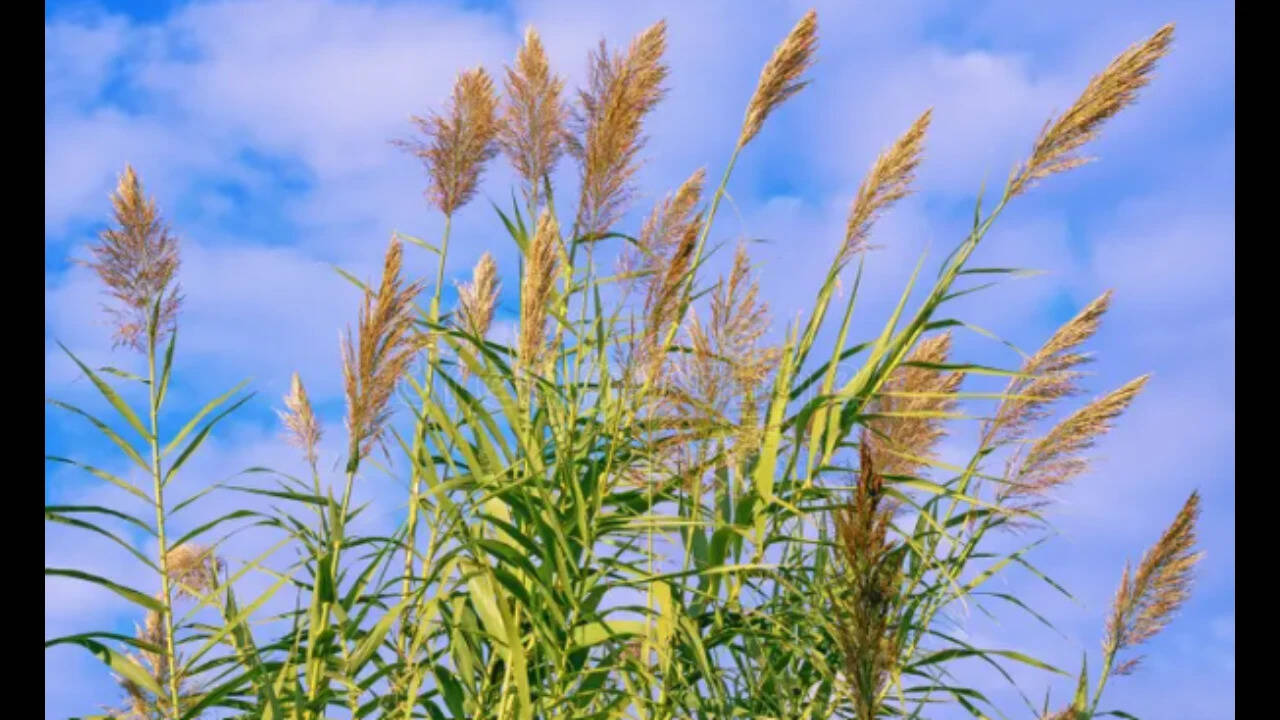
Drive down almost any major river corridor in Southern California today, and you will see a towering, golden invader. It looks like bamboo. It acts like a sponge. It burns like gasoline.
Arundo donax, known commonly as giant reed, was brought to California in the 1820s by early settlers who thought it would help stop erosion and provide material for roofing and musical instruments. That choice turned out to be a ecological disaster. Today, this massive grass stands thirty feet tall, completely dominating riparian zones from the Ventura River down to San Diego. Native willows and cottonwoods don't stand a chance.
Most people drive right past it without a second thought. They assume it is just part of the local scenery. They are wrong. Giant reed is actively choking our waterways, stealing millions of gallons of precious water, and turning ordinary brush fires into explosive infernos. We need to talk about it.
The Water Thief In Our Backyard
Water is life in California. Every drop counts. Yet giant reed drinks water at a rate that makes native plants look entirely inactive.
Research from agencies like the California Invasive Plant Council shows that giant reed consumes up to three times as much water as the native vegetation it replaces. Think about that. During historic droughts, when homeowners face strict watering limits and farmers have their allocations cut, this escaped ornamental plant sucks millions of gallons straight out of our water table every single day.
It grows up to four inches a day under the right conditions. That speed is terrifying. It outcompetes native flora by blocking sunlight and hoarding soil nutrients. Once it takes over a creek bed, birds, insects, and amphibians lose their natural habitat. The food web collapses from the bottom up. Least Bell's vireos and other endangered local birds find no shelter in a wall of giant reed.
A Match Waiting To Be Struck
Water loss is only half the battle. Giant reed is basically a biological blowtorch.
Standard native chaparral and riparian plants have evolved alongside wildfire. They burn, but they usually recover. Giant reed loves fire. It produces massive amounts of dry biomass that accumulate year after year. When a wildfire hits a stand of giant reed, the intensity of the heat spikes dramatically. The flames leap higher, move faster, and throw burning embers for miles.
Fire crews across Southern California will tell you that fighting a fire in an area choked by giant reed is a nightmare. The stalks burn hot and fast, turning a manageable brush fire into a fast-moving disaster that threatens homes and infrastructure. After the fire passes, native plants struggle to return, but giant reed sprouts right back up from its deep root systems. It is a vicious cycle.
Why Removal Is So Hard
Fixing this mess isn't simple. You cannot just cut it down with a chainsaw and walk away.
If you cut giant reed stalks without treating the remaining roots, every single piece left behind can sprout into a brand-new plant. Floodwaters routinely snap the stalks and wash them downstream, planting new colonies miles away. Hand-pulling works only for tiny, newly established shoots.
Effective control requires a coordinated, multi-year strategy. Land managers typically use a combination of precise herbicide application and mechanical removal. Organizations like the Ventura River Watershed Council have spent years cutting down thickets and applying treatments to the cut stumps. It takes patience, funding, and stubborn persistence.
Success stories exist. The Santa Clara River has seen remarkable restoration in areas where local groups cleared out massive stands of giant reed. Native willows came back. Streams started flowing more freely. But those gains require constant monitoring because the invader always tries to creep back in.
What You Can Do Right Now
You might think this is just a problem for government agencies and environmental scientists. It isn't. Property owners living near creeks or drainage ditches often have giant reed growing right on their land without realizing it.
First, learn to identify the plant. It features thick, jointed stalks resembling bamboo, broad blue-green leaves, and large feathery plumes at the top. If you spot it on your property, do not try to bulldoze it yourself. You will likely make the infestation worse by spreading fragments downstream.
Reach out to your local resource conservation district or county agricultural commissioner. Ask if they have invasive species removal programs or grant funding for landowners. Supporting local watershed groups through volunteer workdays or donations makes a tangible difference on the ground.
We brought this plant here two centuries ago. Cleaning up the mess is our responsibility. Stop ignoring the golden wall along the riverbanks, support local eradication efforts, and help give our native ecosystems room to breathe.