The interview went perfectly. On the other side of the Zoom call, "Lukas" was everything a CTO dreams of finding in a saturated market. He was soft-spoken, technically brilliant, and willing to work the odd hours required by a distributed European team. His background checked out. His GitHub was a garden of clean, sophisticated code. When he started his first day as a remote senior developer, nobody questioned the slight lag in his video or the way he kept his camera angled just so.
He was a model employee. He met every deadline. He navigated the company’s internal Slack channels with a polite, if somewhat formal, efficiency. Also making headlines recently: The Logistics of Survival Structural Analysis of Ukraine Integrated Early Warning Systems.
Three months later, the company’s IT security team noticed a flicker. It wasn't a massive data breach or a loud ransom note. It was a series of tiny, surgical pings to a server that should have been dormant. When they traced the digital breadcrumbs, they didn't find a disgruntled worker in Prague. They found a sophisticated laundering operation funneling Euro-denominated salaries through a web of accounts that eventually vanished into the digital black hole of Pyongyang.
Lukas didn't exist. Or rather, the person the company hired was a carefully constructed digital mask worn by a North Korean operative. Further information regarding the matter are explored by CNET.
The Architecture of a Shadow
This isn't a script for a high-stakes techno-thriller. It is the new, quiet reality of the European labor market. For years, we viewed cyber warfare as something explosive—power grids flickering out or sensitive documents leaked to the press. But the Democratic People’s Republic of Korea (DPRK) has pivoted to something far more intimate and sustainable: the long con of the remote salary.
The strategy is breathtaking in its simplicity. North Korean IT workers, often based in China or Russia, use stolen identities to bypass "Know Your Customer" protocols on hiring platforms. They are not hackers in the traditional sense; they are laborers. They are high-performing ghosts.
To pull this off, they rely on a sophisticated tech stack that turns a basement in Dandong into a flat in Berlin. They use Virtual Private Networks (VPNs) to spoof their location, but they go further. They utilize "laptop farms," where physical machines are hosted in the target country and accessed remotely. When a European manager pings "Lukas" on Slack, the message travels to a laptop sitting in a London suburban bedroom, which then relays the signal to the actual worker half a world away.
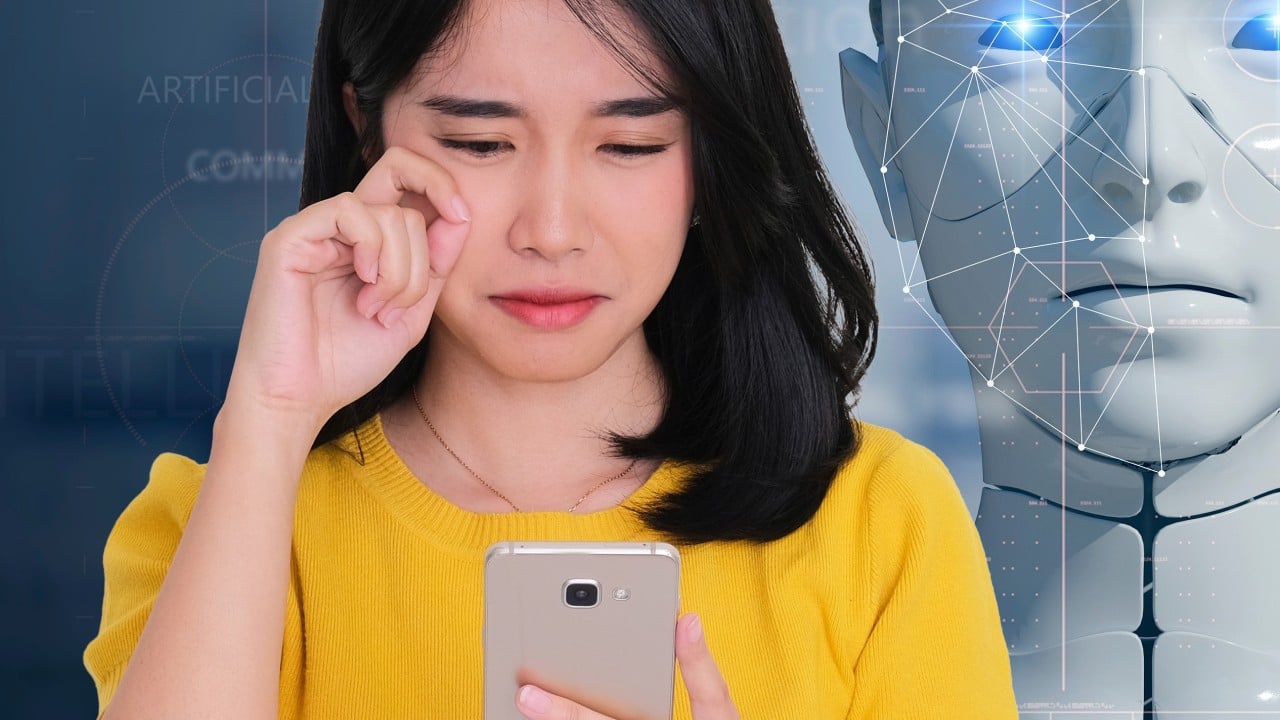
The advent of sophisticated AI has turned this from a niche operation into a scalable industry.
The Generative Mask
Before the current AI boom, the "human" element was the weakest link. An accent might be too thick. A reference check might require a live phone call that felt slightly "off." Cultural nuances were difficult to fake in real-time.
AI changed the math.
Generative audio tools can now modulate a voice in real-time, stripping away an accent or layering in the ambient sounds of a busy European coffee shop. Large Language Models (LLMs) act as a cultural filter, translating technical jargon and professional pleasantries into the specific cadence of a Western corporate environment. The operative isn't just writing code; they are using AI to write the persona.
Consider the "Lukas" scenario. When he was asked to jump on a quick huddle, he could use AI-driven video enhancement to smooth out any visual inconsistencies. If he needed to draft a complex project proposal, the AI ensured his syntax was indistinguishable from a native English or German speaker.
The stakes are invisible until they aren't. Each salary paid to one of these shadow workers is more than just a lost business expense. These funds are direct injections into a regime’s weapons programs, bypassing international sanctions with every direct deposit. According to United Nations estimates, these digital laborers earn hundreds of millions of dollars annually for the DPRK.
The Human Toll of the Hunt
There is a visceral anxiety that settles into a HR department when they realize they’ve been compromised. It isn't just about the money. It’s the violation of trust.
Imagine being the manager who mentored "Lukas." You shared jokes about the weekend. You gave him access to the core repository of your company’s intellectual property. You advocated for his promotion. When the truth comes out, the fallout isn't just technical; it’s psychological. It breeds a culture of suspicion that poisons the very remote-work flexibility that has defined the modern era.
Companies are now forced to become amateur detectives. They are looking for the tell-tale signs: the refusal to engage in spontaneous video calls, the consistent use of voice-altering software that leaves a tiny digital "shimmer," or the oddity of a worker whose LinkedIn profile seems to have been born yesterday with five thousand "friends" but zero history.
The irony is thick. We built the remote world to escape the confines of the office, to find talent wherever it lived. We prioritized "output over hours." The North Koreans simply took us at our word. They provided the output. They just didn't tell us who was actually typing.
The Cost of Silence
The danger lies in the silence of the victims. Many European firms, fearing reputational damage or legal repercussions regarding sanctions violations, choose to quietly terminate the worker and bury the evidence. This lack of transparency is exactly what the shadow program needs to thrive.
When a company hides its mistake, it prevents the rest of the ecosystem from learning the signatures of the fraud. The operative simply moves to the next "Help Wanted" ad, armed with a fresh identity and a more refined AI model.
The solution isn't a retreat from remote work, nor is it a ban on AI. It is a fundamental shift in how we verify the "human" on the other end of the fiber-optic cable. We are entering an era where a digital signature is no longer enough. We are looking for the friction—the small, unscripted moments that an AI cannot yet perfectly replicate. The way a person stumbles over a word when they’re tired. The specific, messy way a human brain solves a problem that isn't in the training data.
We are in a race between the fakers and the finders.
The quiet hum of your laptop fan might just be the sound of a normal Tuesday. Or it might be the sound of a bridge being built between a corporate office in Munich and a closed-off regime that has found a way to turn the global economy into its personal ATM.
The most dangerous thing about the ghost in the cubicle isn't that they are incompetent. It's that they are the best employee you've ever had.
The screen flickers. A notification pops up. Lukas is typing...
But who is holding the keyboard?