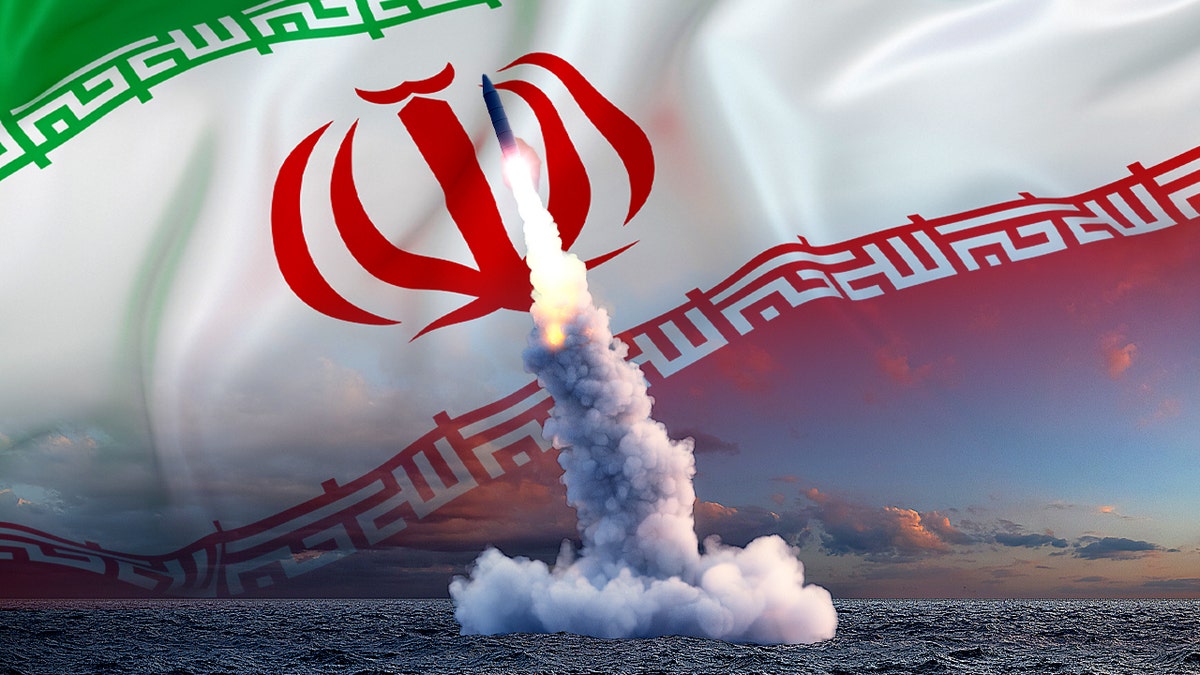
The return of a Trump administration to the White House forces a recalibration of the Iranian strategic model, shifting from a posture of managed friction to one of high-stakes asymmetric equilibrium. While conventional analysis suggests a weakened Iran due to domestic economic strain and the degradation of its regional proxies, the Islamic Republic maintains a sophisticated deterrent framework centered on the credible threat of global energy disruption. The survival of the Iranian state now rests on its ability to execute a specific tactical trade-off: maintaining enough regional volatility to ensure its internal security while avoiding a direct kinetic confrontation that would necessitate a total regime survival response.
The Triad of Iranian Strategic Leverage
The Iranian position is defined by three distinct operational pillars that function as a defensive perimeter against renewed "Maximum Pressure" policies.
1. Asymmetric Maritime Interdiction
The Strait of Hormuz is not merely a geographic chokepoint; it is Iran’s primary economic weapon. Roughly 20% of the world’s liquid petroleum gas and oil consumption transits this waterway. Iranian naval doctrine has shifted from large-vessel engagements to swarm-based tactics using fast-attack craft, sea mines, and shore-to-ship missiles. This creates a Risk Premium Variable in global oil pricing. Even without a total closure of the Strait, the mere increase in insurance premiums for tankers acts as a secondary tax on the global economy, providing Tehran with a dial it can turn to influence Western political cycles.
2. The Proxy Network Buffer
Despite the tactical degradation of leadership within Hezbollah and Hamas, the "Axis of Resistance" serves as a forward-defense mechanism. This network shifts the battlefield away from Iranian soil. The primary function of these groups is to create a multi-front threat that forces an opponent to divert resources. If the United States or its allies increase direct pressure on Tehran, the operational response is typically delegated to these non-state actors, maintaining a level of plausible deniability that complicates the legal and political justification for direct retaliation against Iran itself.
3. Nuclear Threshold Ambiguity
Iran has moved closer to nuclear "breakout" capability, not necessarily to build a weapon immediately, but to establish a permanent seat at the negotiating table. By enriching uranium to 60% purity, Tehran has shortened the technical timeline to weaponization to a matter of weeks. This creates a Deterrence Floor. Any external attempt to dismantle the Iranian government must account for the possibility of a "dash" toward a nuclear device, a risk that most rational actors find intolerable.
The Economic Attrition Model
The efficacy of sanctions is governed by the Law of Diminishing Returns. During the first Trump term, the "Maximum Pressure" campaign successfully reduced Iranian oil exports from 2.5 million barrels per day to under 500,000. However, the Iranian economy has since adapted through a "Resistance Economy" framework.
- Dark Fleet Operations: Iran has mastered the use of "ghost" tankers, ship-to-ship transfers, and re-labeling of crude to bypass monitoring. This infrastructure is now a permanent feature of the shadow global economy.
- Eastern Pivot: The strengthening of the Tehran-Beijing-Moscow axis provides a financial safety valve. China remains the primary purchaser of Iranian oil, often using non-dollar-denominated trade to bypass the SWIFT banking system. This reduces the efficacy of U.S. financial hegemony as a tool for regime change.
- Domestic Diversification: Reduced reliance on imports has forced a level of industrial self-sufficiency. While this has lowered the standard of living for the Iranian middle class, it has hardened the regime's core infrastructure against external shocks.
The Cost Function of Kinetic Intervention
A direct military strike on Iranian soil carries a cost-benefit ratio that is historically unfavorable for the United States. Unlike the 2003 invasion of Iraq, Iran possesses a mountainous geography and a deeply embedded military-industrial complex. The Operational Cost Function for an invasion or a sustained bombing campaign includes:
- Global Energy Shock: A spike in oil prices exceeding $150 per barrel, triggering a global recession.
- Regional Destabilization: Retaliatory strikes on desalination plants and energy infrastructure in the GCC (Gulf Cooperation Council) states.
- The Escalation Ladder: The lack of a clear exit strategy in a theater involving a 85-million-person nation with high nationalist sentiment.
This reality forces the incoming Trump administration to choose between two paths: a total economic blockade that risks a cornered-rat response, or a "Grand Bargain" that recognizes Iranian regional influence in exchange for nuclear concessions.
The Logic of Internal Stability vs. External Power
A critical flaw in Western analysis is the assumption that economic distress automatically leads to regime collapse. The Iranian security apparatus, specifically the Islamic Revolutionary Guard Corps (IRGC), is economically integrated into the state. Sanctions often consolidate power within the IRGC because they control the black markets and the distribution of scarce resources.
The Iranian leadership views the 2024-2026 window as a period of extreme vulnerability. The aging leadership and the question of succession create internal friction points. Consequently, a bruised Iran is often a more dangerous Iran; the need to project strength abroad is a direct response to perceived weakness at home. This is the Compensation Mechanism: the more the regime feels threatened internally by domestic dissent, the more likely it is to authorize aggressive actions in the Persian Gulf or via proxies to rally nationalist support and distract from domestic failure.
Structural Bottlenecks in Diplomacy
The diplomatic path is obstructed by a fundamental lack of trust and a mismatch in objectives. The U.S. seeks a "longer and stronger" deal that covers ballistic missiles and regional behavior. Iran seeks a permanent end to sanctions and a guarantee that a future administration will not renege on the agreement. These goals are structurally incompatible under current political frameworks in both Washington and Tehran.
The "leverage" Iran holds over the Strait of Hormuz is not a tool they wish to use, but a tool they wish to have. Using it results in immediate war; holding it results in a seat at the table. This is the Paradox of the Chokepoint: the weapon is only effective as long as it is not fired.
Strategic Forecast: The Shift to Transactional Friction
The coming years will likely see a shift from ideological confrontation to transactional friction. The Trump administration’s preference for bilateral deals over multilateral treaties aligns with the IRGC’s desire for direct, high-stakes negotiation where they can trade regional stability for economic relief.
The Iranian strategy will involve:
- Maintaining a "controlled burn" in the Levant and Yemen to demonstrate the costs of ignoring Tehran.
- Accelerating technological cooperation with Russia in exchange for advanced air defense systems (S-400) to mitigate the threat of air strikes.
- Using the threat of the Strait of Hormuz as a recurring headline to manipulate energy markets and exert pressure on European allies who are more sensitive to energy price fluctuations than the United States.
The operational reality for global markets is that "Iran" is no longer a localized problem but a systemic risk factor. Investors and policymakers must account for a permanent "Hormuz Discount" in their long-term planning. The goal of the Iranian state is not to win a war, but to make the cost of their defeat so high that the attempt is never made.
The strategic play for the West is not a return to the 2015 JCPOA, which is technically obsolete, nor a full-scale invasion, which is logistically and economically prohibitive. Instead, the focus must shift to a Containment and Decoupling Strategy. This requires the hardening of GCC infrastructure to withstand asymmetric strikes and the creation of alternative energy transit routes that bypass the Strait of Hormuz, such as the East-West Pipeline in Saudi Arabia. Only by reducing the global economic sensitivity to the Hormuz bottleneck can the West neutralize Iran’s primary source of leverage. Until that decoupling occurs, Tehran remains a bruised but potent architect of regional volatility.



