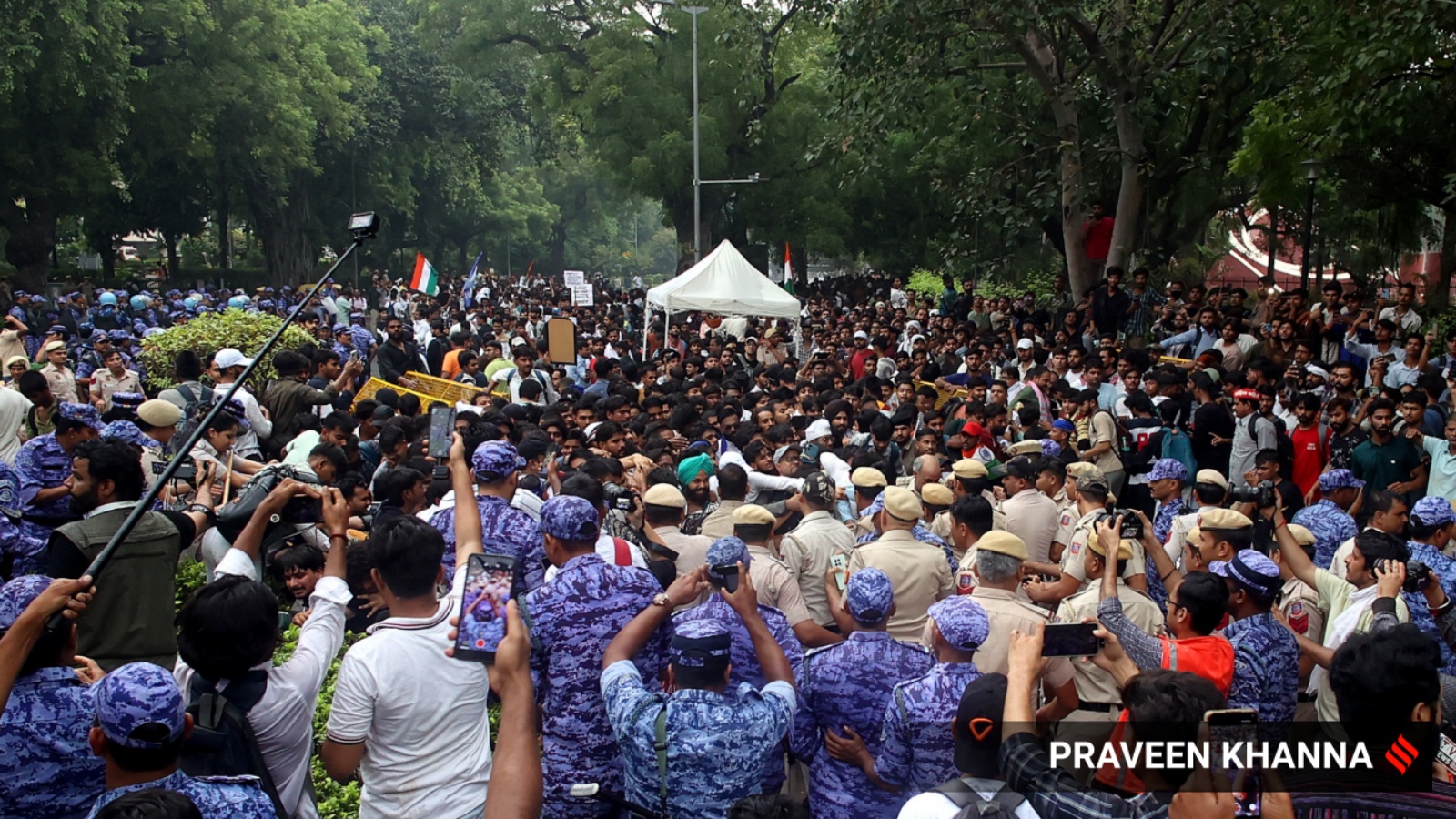
You cannot scroll through social media without seeing youth-led uprisings disrupting the status quo. From Dhaka to Kathmandu, young people are done waiting for incremental change. They are taking to the streets to demand accountability, economic survival, and an end to systemic corruption.
This isn't just about localized frustration. It represents a massive shift in how the digital generation views political power. Let's look at why these movements happen, where they are making history, and what they mean for the future.
The Catalyst Behind the Global Youth Wave
Why are teenagers and twenty-somethings risking their lives on frontlines worldwide? The root causes look remarkably similar across different continents.
Economic precarity drives much of the anger. Youth unemployment remains stubbornly high, while housing and education costs soar. At the same time, young citizens watch entrenched political dynasties hoard wealth and power. Nepotism feels like an invisible ceiling blocking any possibility of social mobility.
When governments respond to economic pain with arrogance or lavish perks for lawmakers, the boiling point arrives quickly.
Social media acts as the accelerant. Platforms like TikTok, Instagram, and Discord allow decentralized organizing at lightning speed. Traditional authorities cannot easily suppress a movement that lacks a single leader and communicates through encrypted networks.
Where the Uprisings Hit Hardest
Bangladesh and the Spark of 2024
The blueprint for modern youth-led revolutions crystallized in Dhaka during the summer of 2024. What started as opposition to discriminatory civil service job quotas quickly metastasized into a massive pushback against authoritarian governance. Despite severe crackdowns, student demonstrators held their ground until Prime Minister Sheikh Hasina resigned and fled the country. That victory sent shockwaves through neighboring nations, proving that organized student groups could dismantle entrenched regimes.
Nepal and the Digital Backlash
Nepal experienced its own dramatic youthquake in late 2025. Frustrated by political impunity and glaring economic inequality, young Nepalis mobilized online. When the government blocked dozens of social media platforms under the guise of regulation, it backfired instantly. Protesters treated the ban as direct censorship. Thousands flooded Kathmandu, setting fire to government administrative complexes and forcing Prime Minister K.P. Sharma Oli out of office. Months later, a youth-backed political coalition swept national elections.
Kenya, Indonesia, and Beyond
In Kenya, finance bill tax hikes triggered massive demonstrations led by digital natives demanding an end to police brutality and fiscal mismanagement. Indonesia saw violent street clashes over parliamentarian allowances amid punishing inflation. Peru, Morocco, and Madagascar all saw similar explosions of youth-led dissent. While local grievances differ, the core demand remains identical: ethical governance and a fair shot at a future.
What Traditional Politicians Keep Getting Wrong
Old-school leaders frequently dismiss these movements as fleeting tantrums fueled by algorithms. That is a dangerous miscalculation.
Governments often respond with internet shutdowns or brute force. Historically, cutting off communication channels suppressed dissent. Today, it simply radicalizes participants and confirms their worst suspicions about state tyranny.
Furthermore, treating protests as isolated law enforcement issues ignores the structural decay underneath. Arresting organizers doesn't fix youth unemployment or curb elite corruption.
Tracking the Long-Term Impact
These uprisings do not always end cleanly. Overthrowing a regime is vastly different from building a stable, transparent democracy. Interim governments face immense pressure, and economic recovery takes years.
Yet, the psychological shift is permanent. Millions of young citizens now realize their collective power. Political elites can no longer ignore the digital generation. Expect more friction, more policy reversals, and a complete redefinition of civic engagement in the years ahead.


/i.s3.glbimg.com/v1/AUTH_1f551ea7087a47f39ead75f64041559a/internal_photos/bs/2025/P/p/LLF10DRp2WoUISXryrUQ/whatsapp-image-2025-12-02-at-20.06.57.jpeg)