The G7 is a ghost.
As the world’s top diplomats descend upon the French countryside to "discuss the Iran crisis," they aren't actually solving a problem. They are performing a ritual. They are lightweights in a heavyweight world, clutching onto a 1970s power structure that has as much influence over modern Tehran as a rotary phone has over a SpaceX launch.
The media loves the visual: expensive suits, rolling green hills, and the "serious" gravity of international cooperation. But if you look at the actual mechanics of power, this summit is a masterclass in irrelevance.
The Myth of Unified Pressure
The central delusion of these gatherings is that the G7 represents a "unified front." It doesn't.
Europe wants Iranian energy and trade stability. Washington wants a total freeze. Japan wants to ensure its shipping lanes don't turn into a shooting gallery. When these diplomats sit down, they aren't building a strategy; they are negotiating the lowest common denominator of a press release.
Iran knows this. Tehran’s strategy is built on the reality that the G7 cannot agree on anything more than a strongly worded letter. While the G7 "coordinates," Iran builds deeper ties with the BRICS+ bloc. The center of gravity has shifted, yet these diplomats act as if their lunch menu in rural France still dictates the global order.
Sanctions are a Failed Product
I have spent decades watching these "economic deterrents" fall flat. We keep hearing that more sanctions will force a pivot. They won’t.
Sanctions have become the participation trophy of foreign policy. They allow leaders to tell their domestic audiences they "did something" without actually risking a conflict or achieving a result. The G7 is addicted to a logic that assumes the global financial system is still a unipolar playground.
Here is the reality:
- Shadow Fleets: A massive, unregulated maritime network ensures Iranian oil reaches markets regardless of what G7 finance ministers decide over brie.
- Alternative Rail: The development of the International North-South Transport Corridor (INSTC) bypasses the very maritime chokepoints the G7 thinks it controls.
- Digital Workarounds: The weaponization of SWIFT only accelerated the development of non-Western payment rails.
By the time these diplomats finish their second course, a dozen tankers have already moved product using currencies that don't care about the Euro or the Dollar.
The Diplomacy of Performance
We need to stop asking "What will the G7 decide?" and start asking "Why do we still care?"
The "Iran crisis" isn't a puzzle to be solved by a weekend in the French countryside. It is a long-term geopolitical reality. The G7 treats it like a PR fire that needs to be managed until the next election cycle. This is the "lazy consensus" at work: the belief that if we just get the "right people" in a room with enough "shared values," the world will magically align.
It's a comforting lie.
True power today is found in supply chain dominance, semiconductor control, and energy independence. The G7 has outsourced or neglected all three. While they talk about "norms" and "rules-based orders," the rest of the world is trading in hard commodities and kinetic reality.
Stop Trying to "Manage" Iran
The G7’s obsession with "management" is their biggest flaw. You don't manage a regional power that has spent forty years learning how to thrive under your "pressure."
The French countryside summit is essentially a board meeting for a company that no longer owns the patent to its flagship product. They are discussing how to market a strategy that the market has already rejected.
If these diplomats wanted to be effective, they wouldn't be in France. They would be in the ports of Asia or the data centers of the Global South, figuring out why their "leverage" has evaporated. But that would require admitting they aren't the only players on the board anymore.
The High Cost of Posing
There is a real danger in these vanity summits. They create a false sense of security for Western publics. They pretend that "multilateralism" is a shield, when in reality, it has become a cloak for indecision.
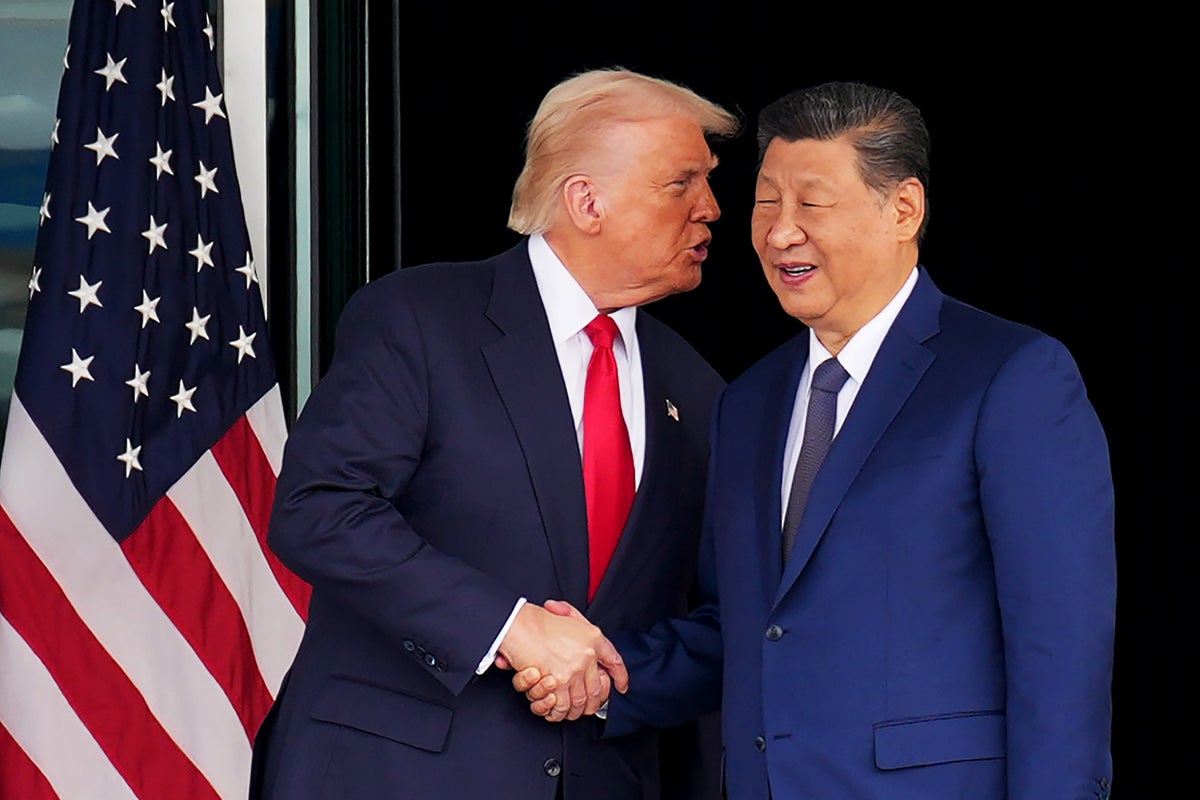
Imagine a scenario where the G7 actually did something radical—like admitting their sanctions regime is porous and their diplomatic influence is at an all-time low. That would be a "game-changer," to use the jargon they love. Instead, we get photos of handshakes and vague promises of "continued monitoring."
The Actual Question You Should Ask
Don't ask if the G7 can stop Iran. Ask why the G7 still thinks it’s the group to do it.
The diplomats in France are living in a museum. They are polishing the brass on a ship that has already been overtaken by faster, meaner vessels. Every minute spent debating the nuances of a "joint statement" is a minute lost to the reality of a multipolar world that has stopped waiting for permission from the West.
The Iran crisis isn't a G7 problem anymore. It's a global reality that has outgrown the boardroom.
Pack up the folders. Put away the fine china. The world moved on while you were checking into the hotel.