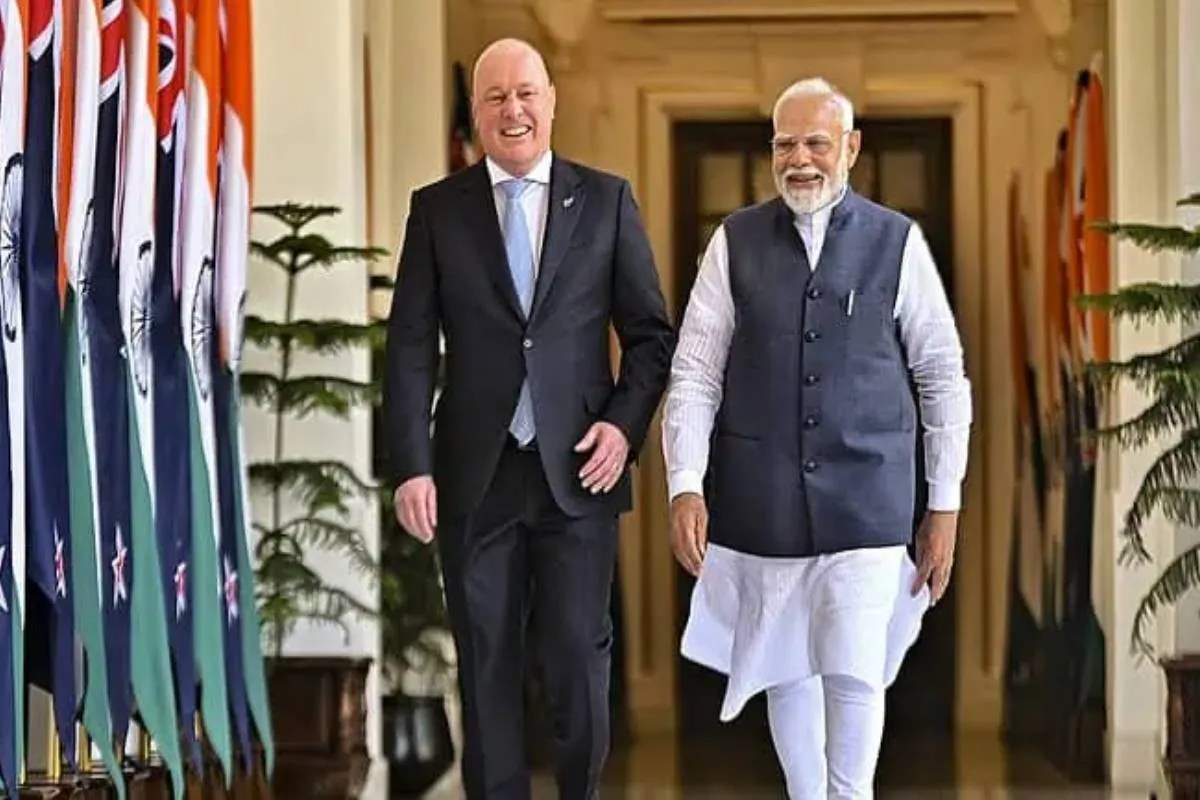
Mainstream media loves a good diplomatic photo-op. The recent buzz surrounding New Zealand’s sudden policy shifts ahead of welcoming Prime Minister Narendra Modi follows a predictable script. Journalists hyperventilate over minor bilateral agreements, framing them as monumental breakthroughs. They point to renewed talks, civil aviation tweaks, or educational exchanges as signs that a comprehensive Free Trade Agreement is just around the corner.
It is pure theater.
The mainstream narrative is completely blind to economic reality. The plain truth is that a meaningful trade pact between Wellington and New Delhi is fundamentally deadlocked, and no amount of diplomatic glad-handing will change that.
The Sacred Cow of Dairy Politics
Let us look at the structural mismatch everyone ignores. New Zealand’s export economy relies heavily on agriculture, specifically dairy. Fonterra and the country's dairy cooperative complex need access to large, developing markets to maintain growth. India, on paper, looks like the ultimate prize: a massive, consumption-driven population with a growing middle class.
But India is also the world's largest milk producer. More importantly, dairy in India is not just a commercial sector; it is a socio-political fortress.
The Indian dairy sector is powered by over 80 million smallholder farmers. Organizations like Amul hold immense political sway. No Indian government, regardless of its parliamentary majority, will ever sign a trade agreement that allows cheap, subsidized Kiwi dairy products to flood the domestic market and undercut tens of millions of rural voters. It is political suicide.
When New Zealand politicians claim they can secure an FTA without compromising on dairy, or when Indian commentators suggest a deal is imminent, they are selling fantasy. The core offensive interest of one country is the absolute red line of the other.
The Fallacy of the Strategic Partnership
Geopolitical commentators often argue that shared anxieties over regional security will force these two nations to overlook trade friction. This is wishful thinking.
Security cooperation and trade negotiations move on completely different tracks. A shared vision for a free and open Indo-Pacific does not magically lower tariffs on agricultural goods. India’s decision to opt out of the Regional Comprehensive Economic Partnership showed exactly where its priorities lie. New Delhi will fiercely protect its domestic manufacturing and agricultural bases from external competition, regardless of strategic alignments.
Imagine a scenario where a country dismantles its domestic protection laws just to please a security partner. It does not happen. Nations act in their cold, hard economic self-interest.
Chasing Crumbs While Ignoring the Core
What we see instead are minor concessions masquerading as historic deals. Agreements on direct flights, streamlined student visas, or minor tariff reductions on niche products like kiwifruit or logs are heralded as major victories.
These are crumbs. They are the diplomatic equivalent of rearranging deck chairs.
I have watched trade delegations spend millions of dollars and thousands of hours negotiating agreements that move the economic needle by less than a fraction of a percent. They do it because bureaucrats need to justify their budgets and politicians need a press release.
The Real Friction Points Nobody Wants to Talk About
If we look past the official press releases, the structural hurdles extend far beyond milk and cheese.
- Immigration and Labor Mobility: New Delhi consistently demands greater ease of movement for its IT professionals and skilled workers. Wellington, dealing with domestic political pressures regarding infrastructure strains and housing, remains hesitant to open the floodgates.
- Regulatory Divergence: India's regulatory frameworks, compliance standards, and bureaucratic red tape remain notoriously difficult for foreign firms to navigate. New Zealand businesses, accustomed to high levels of bureaucratic transparency and efficiency, routinely struggle to scale operations within the Indian market.
- The Scale Mismatch: New Zealand's entire population is smaller than many secondary Indian cities. The sheer difference in market scale means that what constitutes a massive macro shift for Wellington is a rounding error for New Delhi.
Stop Asking When the FTA Will Arrive
The public keeps asking the wrong question. People want to know when India and New Zealand will finally sign a comprehensive trade deal. The honest answer is never—at least not in the way it is currently envisioned.
Instead of chasing a grand, all-encompassing trade pact that cannot exist under current political realities, both nations should abandon the farce. They need to stop wasting diplomatic capital on a dead-end goal.
Focus instead on narrow, sectoral cooperation where interests actually align. Think technology transfers in agritech, sustainable farming practices, and digital infrastructure collaboration. These areas do not threaten domestic vote banks and can yield actual results.
The upcoming diplomatic pageantry will feature plenty of smiles, handshakes, and grand declarations of a new era in bilateral relations. Do not buy the hype. Until the fundamental economic contradictions are resolved, the relationship will remain exactly what it is today: a series of polite conversations wrapped in spectacular public relations.



