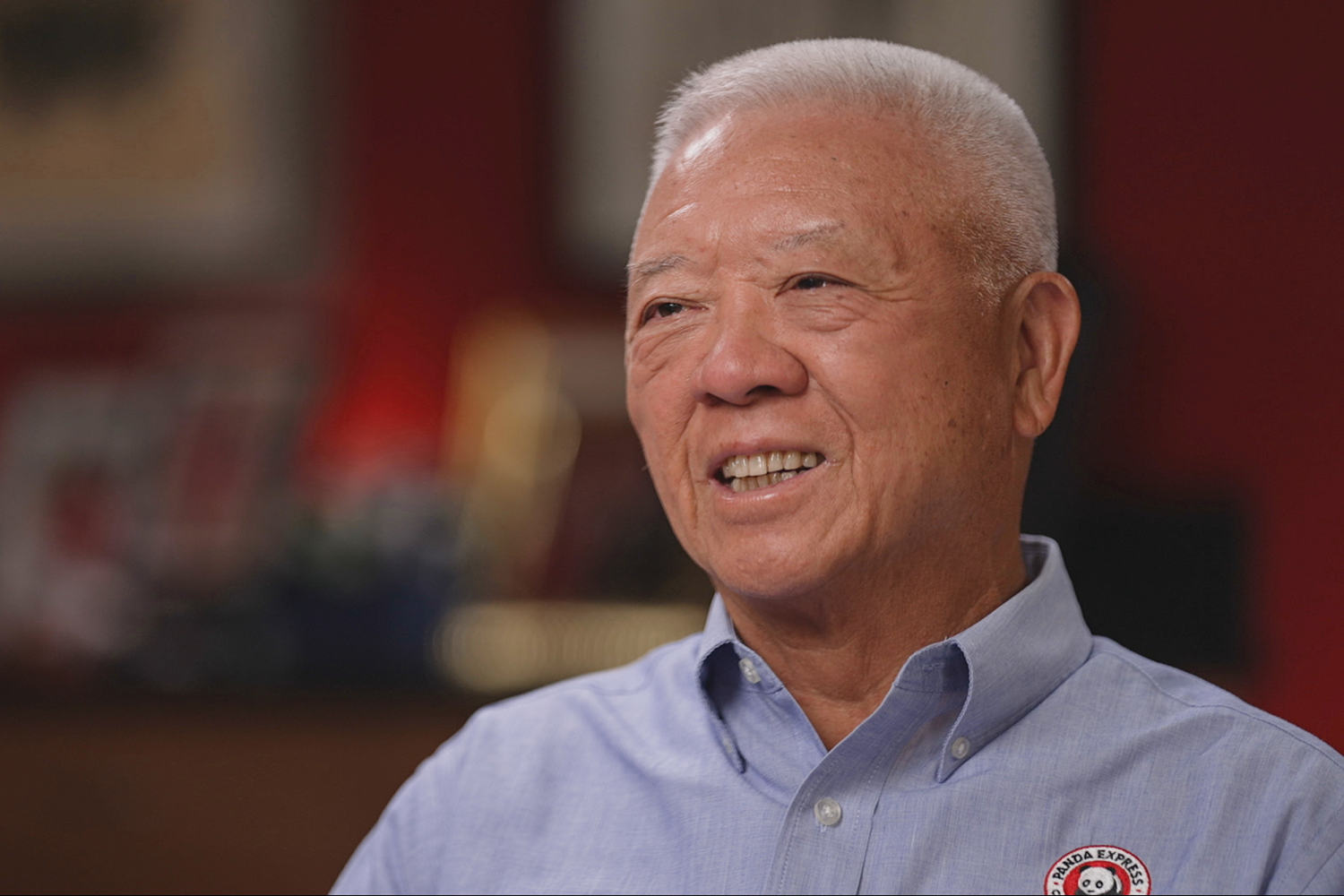
Most restaurant executives obsess over margins, supply chains, and shaving seconds off drive-thru times. Andrew and Peggy Cherng built a multi-billion-dollar empire by focusing on something entirely different: human development.
As the co-founders and co-CEOs of Panda Restaurant Group, the couple turned a single Pasadena restaurant into a global phenomenon. Yet, if you talk to longtime workers, they don't just talk about orange chicken. They talk about mindset shifts, financial literacy, and building a stable life.
Corporate culture in the fast-food sector is notoriously transactional. You flip burgers or scoop noodles, you get a minimum wage paycheck, and you leave. The Cherngs rejected that model decades ago. They treat their workforce as people who deserve life tools, not just temporary labor.
Moving Beyond the Transactional Job
Building wealth starts with stability, but most hourly workers feel locked out of traditional financial milestones. Buying a home used to be a baseline component of the American dream. Today, it feels out of reach for anyone working in service industries.
Andrew and Peggy noticed this gap early on. Instead of treating employee turnover as an inevitable cost of doing business, they invested heavily in internal programs designed to elevate their team's overall well-being. This philosophy trickles down from leadership into daily operations.
Workers aren't just taught how to manage a kitchen station. They participate in professional development workshops that focus on communication, emotional intelligence, and goal setting. It sounds unusual for a fast-casual chain. It works because the leadership genuinely believes that business success stems directly from personal growth.
The Philosophy of Self-Improvement at Work
Management training at Panda frequently incorporates intensive personal development concepts. Decades ago, Andrew Cherng began introducing leadership seminars and organizational training programs—such as those pioneered by Landmark—to his management teams.
Critics sometimes scratch their heads at these methods. What does introspection have to do with selling noodles? Everything, according to the Cherngs. If an associate lacks confidence or struggles with personal communication, they will struggle to lead a shift or manage a restaurant effectively.
By encouraging employees to confront mental barriers, the company builds resilient leaders. Many general managers start as entry-level cashiers or line cooks. When those individuals climb the ranks, they bring financial stability back to their families, which often creates the foundation needed to buy a home or fund higher education.
Realizing Long-Term Stability
Giving people a paycheck isn't enough if they don't know how to manage capital. Financial literacy training forms a quiet backbone of the company's employee support framework. Workers learn about budgeting, saving, and planning for major investments like real estate.
When you look at companies that actually move the needle for working-class retention, they share a common trait. They offer pathways to ownership or long-term asset building. Panda achieves this by promoting from within aggressively and offering robust profit-sharing structures for general managers.
A manager who stays with the company for years can accumulate substantial earnings through these performance-based models. That capital turns abstract concepts like homeownership into concrete reality.
What Other Corporations Miss
Corporate America loves buzzwords about employee wellness. Most programs consist of a pizza party or a meditation app subscription. Those token gestures do nothing to solve rent crises or housing affordability.
The Cherngs approach the problem from the ground up. They invest in education, leadership training, and financial transparency. They understand that people perform better when they feel secure in their personal lives.
You can't fake a culture of care. Employees spot corporate phoniness instantly. When leadership spends decades pouring resources back into human capital, the results speak for themselves through high retention rates and lifelong career trajectories.
Take control of your own professional environment by looking for employers who invest in your holistic growth rather than just your output. Stop settling for workplaces that view you as a disposable resource. Demand leadership that matches the ambition you bring to the table.