The rain in New Delhi fell with that heavy, breathless persistence typical of the monsoon transition, slicking the tarmac outside the airport gates. Inside the terminal, the hum of fluorescent lights and the low drone of overhead announcements created a barrier of white noise. For most passengers, it was simply another transit point, a brief pause between destinations. For a single traveler navigating the departure queues, however, the air carried a different weight.
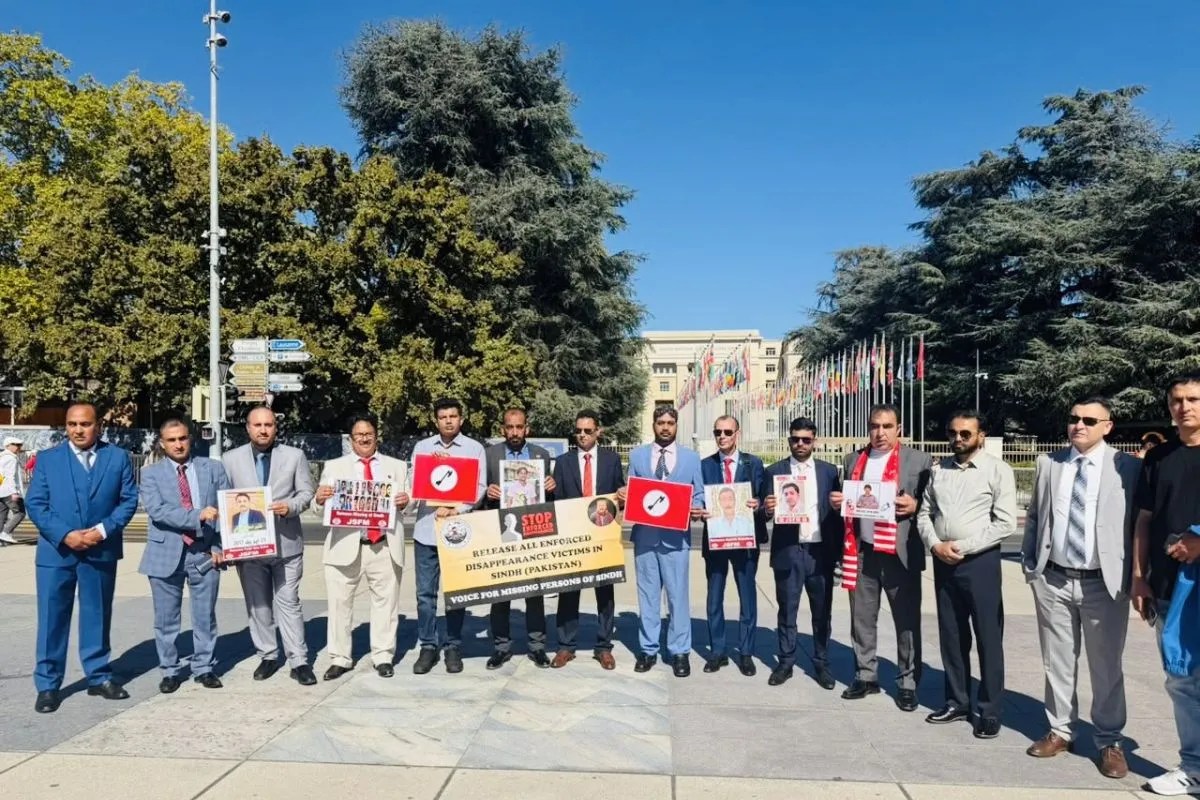
Hours earlier, a formal legal complaint had been lodged. A coalition of Palestinian solidarity advocates and human rights organizations had placed a name into the administrative machinery of the Indian legal system. The name belonged to a foreign national, an individual who had served as a soldier in the ongoing conflict in Gaza. The allegation was stark: involvement in potential war crimes.
Paperwork moves slowly until it intersects with sudden public attention. By the time the legal documents were reviewed and processed by the relevant authorities, the window for action narrowed to a razor's edge. Before formal detentions could materialize or diplomatic channels could force a prolonged standoff, the traveler quietly moved through security, boarded an outbound flight, and left the jurisdiction behind.
Borders are often imagined as solid lines on a map, rigid and absolute. Yet in moments of legal and geopolitical friction, they behave more like permeable membranes.
Consider what happens when a local grievance meets global connectivity. Decades ago, an event of this nature would have remained confined to local dispatches, a brief note in a regional newspaper easily overlooked. Today, information travels instantaneously. A digital document drafted in a cramped office can be transmitted across continents in milliseconds, alerting advocacy groups, legal scholars, and journalists simultaneously. The world has shrunk, but the echoes of distant conflicts have grown louder, reverberating in unexpected capitals thousands of miles from the frontline.
The journey of that complaint from a theoretical concept to an urgent filing represents a fundamental shift in how accountability is pursued. When official state channels stall, civil society often steps into the breach. Organizations lean on universal jurisdiction principles, international humanitarian law, and domestic statutes that allow for the prosecution of grave offenses regardless of where they occurred. It is a grueling, uphill battle. Bureaucracy is heavy, and political realities often overshadow legal ideals.
Yet, the filing itself carries symbolic weight. It transforms a faceless conflict into a tangible reality for nations that consider themselves distant from the smoke and rubble of the Middle East. It forces local courts and law enforcement agencies to grapple with the global consequences of distant violence. Even when the target departs before handcuffs can click, the precedent remains. The message delivered to travelers with controversial military pasts is unambiguous: the globe is smaller than it used to be, and memory is long.
Night settled over the tarmac as the aircraft lifted off, cutting through the heavy clouds and heading west toward the horizon. Below, the city lights blurred into a uniform glow, indifferent to the hurried departure and the unanswered legal questions left in its wake. The paperwork remained on desks in New Delhi, waiting for the next time an old conflict walks through a modern door.