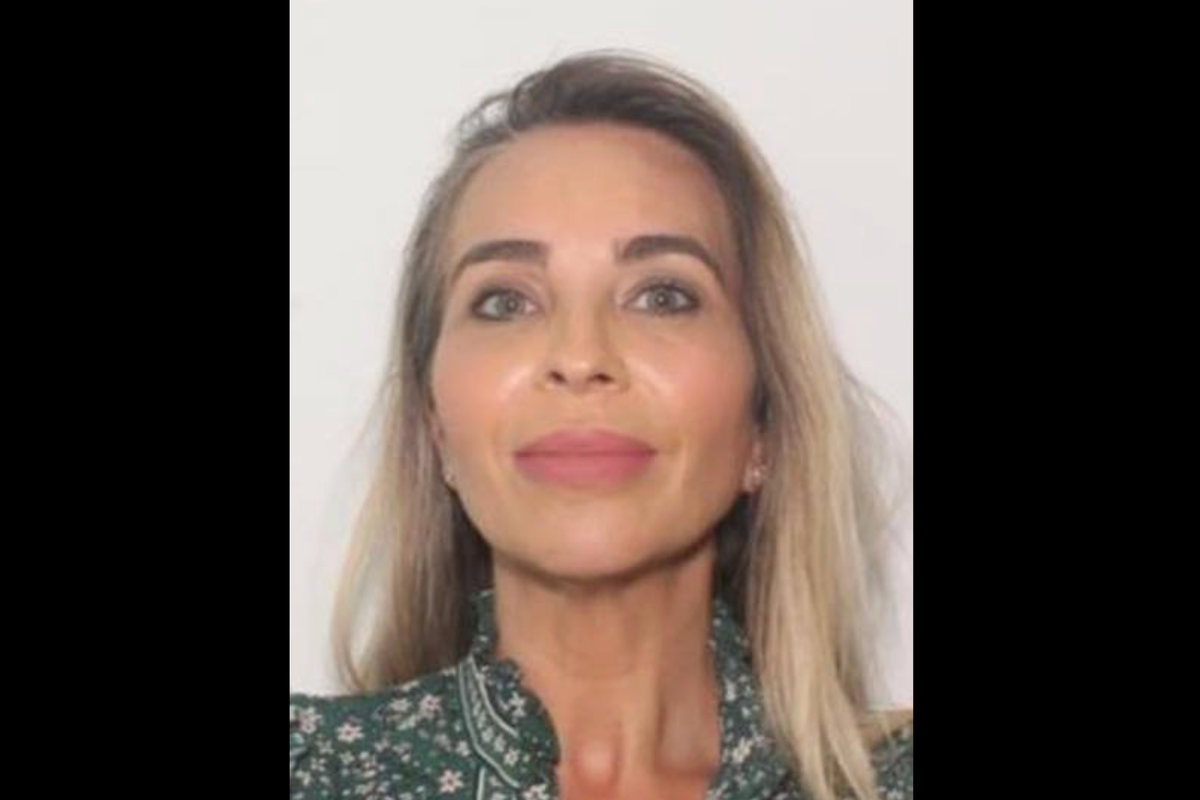
Florida homeowners are waking up to a harsh reality where the people hired to protect their property values are the ones draining their bank accounts. In a state where over 9.5 million people live in community associations, the recent arrest of a bookkeeper accused of embezzling hundreds of thousands of dollars to fund plastic surgery and luxury vacations is not an isolated incident. It is a symptom of a systemic failure in oversight that leaves billions of dollars in reserve funds vulnerable to anyone with a login and a lack of scruples.
The case involving the embezzlement of funds from a South Florida homeowners association highlights a terrifyingly simple playbook. By exploiting a lack of dual-authorization protocols and a board of directors that likely treated financial reports as a chore rather than a vital defense, a single individual was able to divert community wealth into a personal slush fund. This was not a sophisticated heist. It was a slow-motion raid on the "nest eggs" of hundreds of families, hidden behind the mundane paperwork of property management.
The Anatomy of an Inside Job
Financial crimes within HOAs succeed because the system relies on the assumption of good faith. Most board members are volunteers. They are retirees, busy professionals, or parents who want to ensure the grass is cut and the pool is clean. They are rarely forensic accountants. When a bookkeeper or property manager presents a monthly ledger, the board often glances at the bottom line and moves on to discussing the color of the new clubhouse shingles.
Fraudsters thrive in this environment of "passive governance." In the Florida case, the suspect allegedly used association credit cards and bank accounts to pay for personal indulgences. The mechanics of the theft were breathtakingly brazen. While neighbors were worrying about rising insurance premiums and special assessments, their money was being spent on cosmetic enhancements and first-class plane tickets.
The "how" is almost always rooted in the commingling of duties. When the same person who receives the invoices also cuts the checks and reconciles the bank statements, the door to fraud is wide open. In many small to mid-sized associations, one individual manages the entire financial lifecycle. Without a "second set of eyes" requirement for every transaction over a certain dollar amount, a bookkeeper can easily create shell vendors or simply pad legitimate expenses and pocket the difference.
Why Florida Is the Epicenter of Association Theft
Florida has the highest density of HOAs and condo associations in the country. This concentration of managed communities creates a target-rich environment for white-collar criminals. The state legislature has attempted to tighten the screws with new laws, such as HB 1203, which introduced criminal penalties for kickbacks and the destruction of records, but enforcement remains a significant hurdle.
Local police departments are often ill-equipped to handle complex financial investigations. When a board discovers money is missing, they are frequently told it is a "civil matter." This forces associations to spend even more of the homeowners' money on private investigators and attorneys just to prove a crime occurred. By the time the handcuffs come out, the money is usually gone. Plastic surgery and international trips leave no assets to seize. You cannot claw back a facelift to pay for a new roof.
The scale of the problem is exacerbated by the "reserve fund" requirement. Florida law mandates that associations save money for long-term capital projects. These accounts often hold millions of dollars. For a dishonest employee, these accounts look like an interest-free loan that never has to be paid back—at least, not until the roof starts leaking and the cupboard is bare.
The Mirage of Professional Management
Many associations believe they are safe because they hire a professional management company. This is a dangerous misconception. While many firms are reputable, the industry is plagued by high turnover and low pay for entry-level accounting staff. A management firm might oversee dozens of properties, and their internal controls are only as strong as the person sitting at the desk on any given Tuesday.
The recent scandals prove that a "big name" firm provides no guarantee of safety. In fact, large firms can provide a sense of false security. Boards assume the company’s internal auditors are watching the books. In reality, those auditors are often looking for errors that affect the management firm’s profitability, not necessarily the association’s bottom line.
Red Flags Every Board Member Ignores
- Delayed Financial Reports: If the bookkeeper consistently provides the "monthly" report three months late, they are likely buying time to balance the books or hide discrepancies.
- Missing Invoices: A ledger that shows a payment to a vendor without a corresponding invoice is a flashing red light.
- Resistance to Audits: Any employee or manager who becomes defensive or obstructive when a board member asks to see the raw bank statements is a liability.
- Unusual Vendor Names: Look for payments to companies with names that are slightly different from established contractors.
The High Cost of Apathy
When hundreds of thousands of dollars vanish, the impact ripples through the community. It isn't just about the missing cash. It is about the "special assessment" that follows. When an association realizes its reserves have been looted, they have no choice but to demand thousands of dollars from every homeowner to cover the shortfall.
For many Floridians on fixed incomes, a $10,000 or $20,000 special assessment is a life-altering event. It leads to foreclosures, forced sales, and a breakdown of community morale. The person who stole the money didn't just steal "association funds"; they stole the equity in people's homes. They stole the security of their neighbors.
The legal system often fails to provide a sense of justice. Even if a thief is sentenced to prison, the restitution orders are rarely fulfilled. The money has been spent. The lavish lifestyle enjoyed at the neighbors' expense leaves the victims holding the bill for the defendant's defense and the association's recovery efforts.
Reclaiming the Books
The only way to stop the bleeding is to move toward a model of radical transparency. Passive governance must end. Boards must realize that they are the directors of a multi-million dollar corporation and must act with the fiduciary intensity that role demands.
This starts with a total separation of financial duties. No one person should have the power to initiate and approve a payment. Most modern banking platforms allow for dual-user authentication, where a board member must digitally sign off on any transfer before it is processed. If your association isn't using this, you are effectively leaving your vault door unlocked in a crowded room.
Furthermore, boards should insist on viewing original bank statements, not just the "summaries" prepared by staff. It takes ten minutes a month to log in and verify that the balance in the account matches the balance on the report. Those ten minutes could save a community from a decade of financial ruin.
The Structural Failure of Oversight
The state’s regulatory bodies, like the Department of Business and Professional Regulation (DBPR), are often criticized for being slow to act. They are overwhelmed by the sheer volume of complaints. This leaves homeowners in a "no-man's land" where they are governed by a private entity with the power to lien their homes, but with less oversight than a local sandwich shop.
The "lavish trips" mentioned in police reports are paid for by the sweat of people who worked forty years to afford a condo by the beach. The criminal justice system focuses on the thief, but the real story is the fragility of the American HOA system. It is a system built on trust in an era where that trust is increasingly being commodified and exploited.
Associations must treat their bookkeepers like the high-risk points of failure they are. Trust is a luxury that homeowners in the current economic climate can no longer afford. Every check signed, every invoice paid, and every "administrative fee" charged must be scrutinized with the assumption that someone, somewhere, is looking for a way to turn your monthly dues into their next luxury getaway.
Verify every transaction. Audit every year. Question every delay. The alternative is watching your community's future vanish into a fraudster's offshore account or a surgical suite in Miami. Stop acting like neighbors and start acting like owners.