The modern traveler walks a tightrope between a non-refundable booking and a prayer. As flight cancellations and delays become the new normal across Australian airports, a dangerous assumption has taken root: that buying a premium travel insurance policy is an automatic safety net. It isn't. In reality, the surge in "flight chaos" has exposed a systemic disconnect between consumer expectations and the rigid, often archaic, exclusion clauses buried in hundred-page Product Disclosure Statements (PDS).
When a major carrier grounds a fleet or a ground-handling strike paralyzes a terminal, the financial fallout isn't just about the ticket price. It is about the prepaid tours in Tuscany, the non-refundable luxury suites in Tokyo, and the cascading costs of rebooking mid-journey. Most Australians assume that if the airline fails, the insurer steps in. But the industry operates on a different logic. Most policies are designed to cover "unforeseen" events, yet many of today’s disruptions are now classified by insurers as "known events" or "foreseeable risks," effectively nullifying the very protection travelers think they purchased.
Understanding this gap is not just about being cautious; it is about survival in a volatile global transit market.
The Foreseeable Risk Shell Game
Insurers live and die by the word "unforeseen." This is the pivot point of every claim. In the aftermath of the pandemic, the definition of what constitutes a foreseeable risk has expanded dramatically. If a union announces a strike vote three weeks before your trip, and you buy your policy two weeks before you fly, your "delay" coverage is likely dead on arrival.
The industry maintains a "list of known events." This is an internal ledger of global disruptions—weather patterns, industrial actions, even specific airline insolvency rumors. Once an event makes this list, any policy issued after that date excludes coverage for that specific issue. The problem for the traveler is that these lists aren't always public or easy to find. You might buy a policy for a trip to Europe while a vague "airport staffing shortage" is being reported in the news. To you, it’s a news story. To the insurer, it’s a known event that allows them to deny your claim for a missed connection.
This creates a paradox. The more chaotic the travel environment becomes, the harder it is to find a policy that actually covers the chaos. Insurers are not in the business of subsidizing a failing aviation infrastructure. They are in the business of calculated risk, and right now, the airlines are making that risk too expensive to bear.
The Mechanical Failure Loophole
One of the most frequent reasons for a flight cancellation is "technical issues" or "mechanical failure." On the surface, this seems like a textbook insurance claim. However, a significant number of mid-tier policies specifically exclude "carrier-caused" delays if the carrier is legally obligated to provide compensation.
Here is the catch. Australian consumer law and the various international conventions (like the Montreal Convention) are often toothless or difficult to enforce for the average person. An insurer might reject your claim for an overnight hotel stay because the airline should have paid for it. When the airline refuses, citing "extraordinary circumstances," the traveler is caught in a jurisdictional no-man's land. The insurer points at the airline, the airline points at the weather or the airport, and the traveler pays for the Marriott out of pocket.
To navigate this, you must look for "Travel Abandonment" or "Alternative Transport" clauses that trigger regardless of the airline's liability. These are becoming rarer and more expensive. Without them, you are essentially self-insuring against the incompetence or misfortune of the airline's maintenance department.
The Mental Health Exclusion
As travel stress reaches a fever pitch, more travelers are canceling trips due to burnout, anxiety, or acute stress. If you think your insurance covers a change of heart or a mental health crisis, you are likely mistaken. Most standard Australian travel insurance policies still treat mental health as a second-class ailment.
Unless you have a specific "pre-existing condition" waiver—which usually requires a grueling medical assessment and an extra premium—claims related to mental health are summarily dismissed. Even then, the "unforeseen" rule applies. If you have sought counseling in the last five years, a panic attack at the boarding gate might be viewed as a pre-existing condition, even if it has never happened before. This is a massive blind spot in an era where the psychological toll of travel is at an all-time high.
The Insolvency Void
The ghost of Bonza and the ongoing struggles of regional carriers serve as a grim reminder: airlines can vanish overnight. Many travelers assume that if an airline goes bust, their insurance will refund the ticket. This is one of the most common and expensive misconceptions in the market.
Insolvency coverage is an optional extra, or it is excluded entirely by many budget insurers. If your policy does not explicitly list "Financial Default" or "Insolvency" as a covered event, you are a general creditor in a bankruptcy proceeding. That means you are at the back of the line, behind the banks and the fuel suppliers. In the current economic climate, where fuel prices and debt interest are squeezing smaller carriers, flying without insolvency cover is a high-stakes gamble.
How the Policy Becomes a Liability
We have reached a point where the complexity of the insurance product itself is a risk factor. The "Smart Traveller" advice to "if you can't afford insurance, you can't afford to travel" is sound, but it's incomplete. If you can't understand your insurance, you aren't actually insured.
The burden of proof has shifted. It is no longer enough to show a boarding pass and a cancellation notice. Insurers now demand "original letters" from the airline stating the exact cause of the delay, timed and dated. In a chaotic terminal where staff are overwhelmed or non-existent, getting this paperwork is nearly impossible. Without it, the claim is stalled. This is a deliberate friction point in the claims process.
Strategic Moves for the High-Stakes Traveler
- Buy the policy the second you book the flight. The "known event" clock starts ticking the moment you pay your premium. Waiting until a week before your trip to save a few dollars is a recipe for disaster.
- Ignore the "Star Rating" and read the "General Exclusions" page. The marketing material will talk about lost luggage and medical emergencies. The exclusions page will tell you that they won't pay if the airport is closed due to a "civil commotion" or a "government intervention."
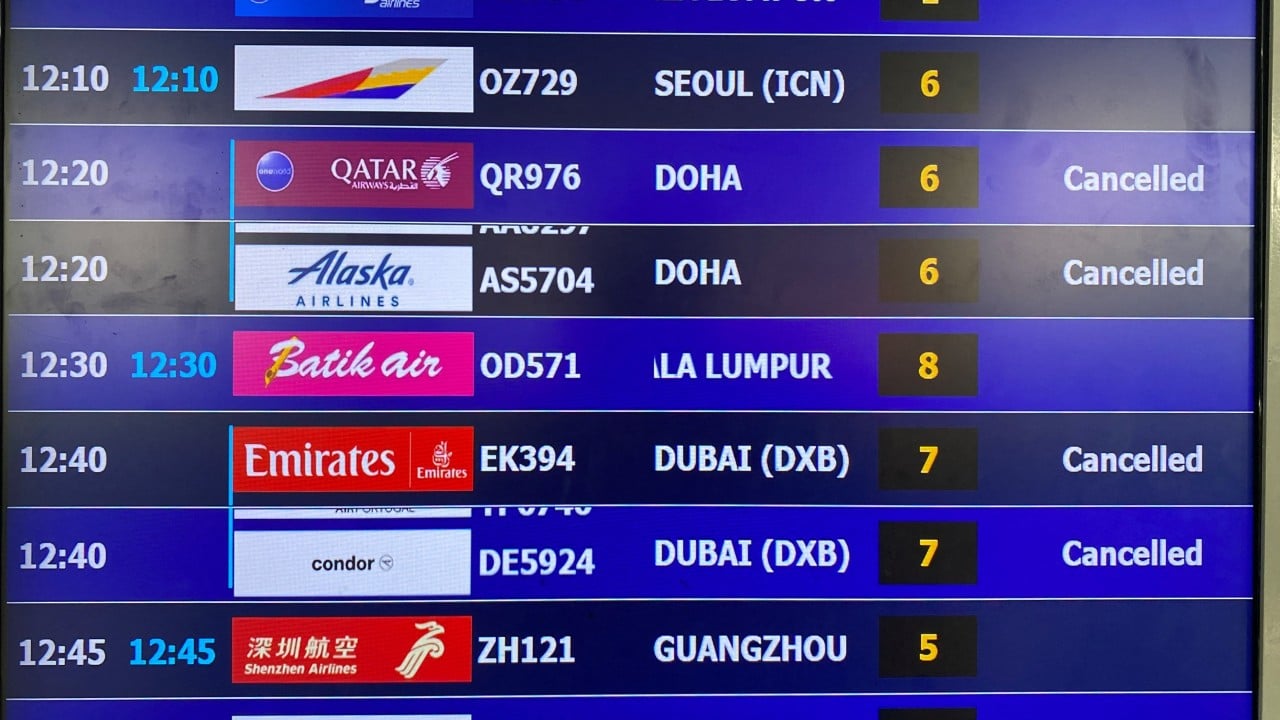
- Document everything in real-time. If a flight is canceled, take a photo of the departure board. Record the conversation with the gate agent. Get names. The insurer will look for any reason to suggest the delay was your fault or was avoidable.
- Check your credit card's "Free" insurance. Often, these policies are more restrictive than standalone ones. They frequently require you to have paid for the entire trip—not just the flights—on that specific card to activate the coverage.
The relationship between the traveler, the airline, and the insurer has turned adversarial. The airlines are cutting corners to regain profitability, and the insurers are tightening their wording to avoid paying for the resulting mess. The result is a travel landscape where the consumer is the only one truly at risk.
You are not buying peace of mind. You are buying a legal contract. If you haven't read the fine print regarding "scheduled transport cancellations" and "missed connections," you aren't protected—you are just hoping for the best. In the current state of global aviation, hope is a poor financial strategy.
Demand a copy of the PDS before you enter your credit card details. Search for the words "insolvency," "mechanical failure," and "known event." If the answers aren't there, keep looking. Your bank account depends on it.