Dawn in South Florida usually arrives with a gentle, watercolor stroke of amber and pale blue. The air holds that familiar, thick warmth, carrying the scent of salt from the Atlantic and the heavy, sweet perfume of blooming jasmine. It is the hour of the waking city. Delivery trucks rumble down the asphalt, commuters queue for strong coffee, and thousands of workers start engines they have turned over a thousand times before.
They are the invisible infrastructure of a thriving metropolis. They carry the bleach buckets, the vacuum hoses, the architectural blueprints, the commercial kitchen tools, the everyday labor that keeps the gleaming storefronts and corporate offices running.
Then, the sky breaks.
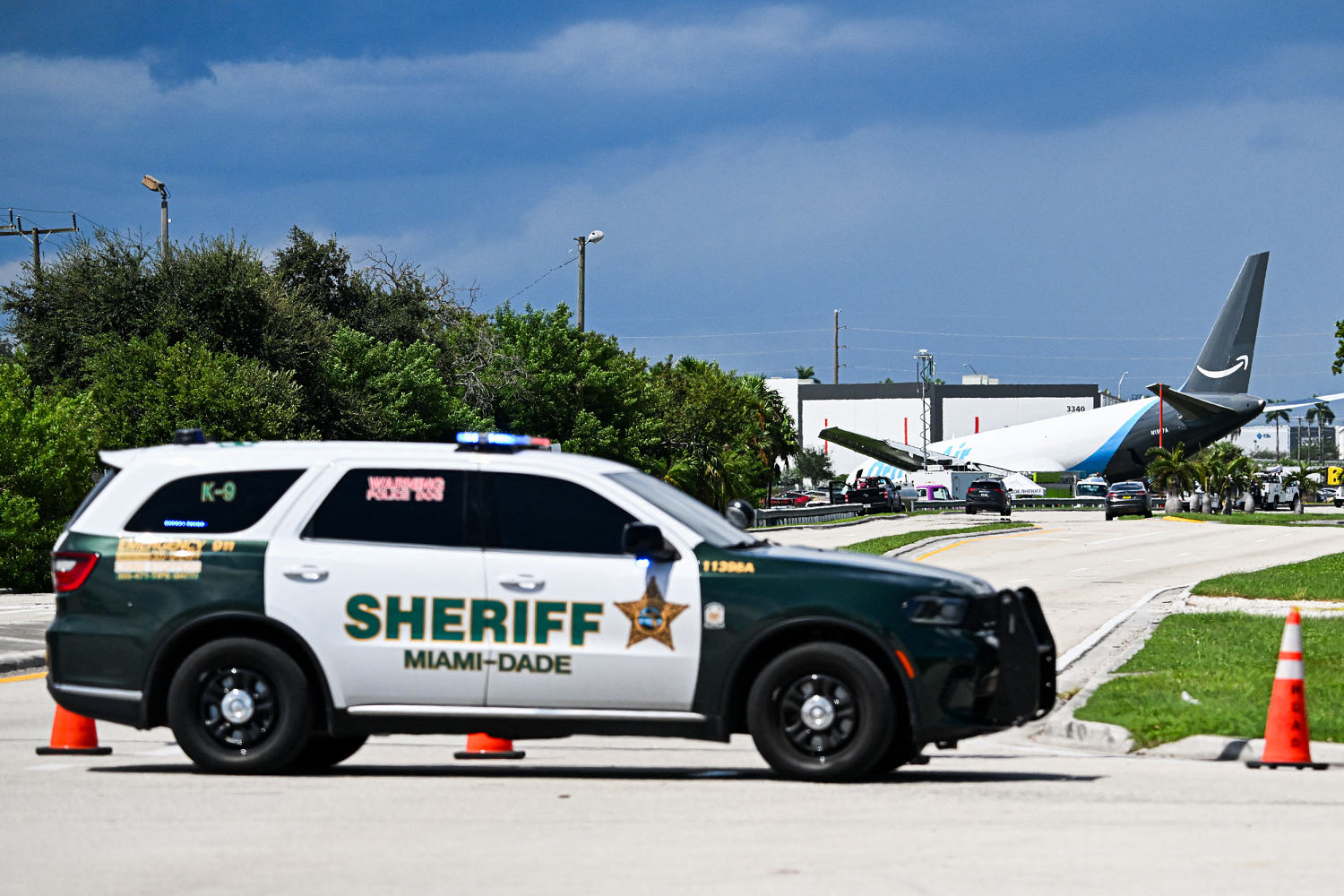
On a quiet Monday afternoon, the mundane rhythm of a Florida highway collided with catastrophe. A small, twin-engine jet, struggling against mechanical failure or the merciless physics of flight, fell from the clear sky. It did not merely crash; it intercepted the lives of people who had no business being in the path of a descending titan.
According to official reports from investigators and emergency services, the wreckage claimed vehicles on a local roadway. Among them was a commercial cleaning-company van. Beside it, an SUV. Inside those vehicles were human beings whose entire universes—their morning coffee, their worries about bills, their text messages home, their plans for the weekend—were instantly, permanently erased by gravity and jet fuel.
We consume these headlines with a grim, practiced detachment. A plane goes down. Casualties are counted. Numbers are assigned. Roadways are eventually cleared, asphalt patched, and the news cycle scrolls onward to the next spectacle.
We forget to look at the glove compartments.
Imagine, for a moment, the inside of that cleaning van. It is a rolling supply closet. There are half-empty bottles of window cleaner, spare rags tucked neatly into plastic bins, a crumpled receipt from a drive-thru breakfast, and a favorite cassette tape or a tangled phone charger dangling from the dash. The driver was likely listening to the radio, perhaps debating whether the afternoon traffic would make them late for the evening appointment. They were thinking about dinner. They were thinking about rent.
That is the cruelest trick of sudden tragedy. It always interrupts an ordinary Tuesday.
Air travel holds a strange, dual place in the human psyche. We treat it with casual indifference, boarding pressurized tubes by the hundreds every single day, trusting invisible mechanics and air traffic controllers to defy gravity on our behalf. Yet, when the machine fails, its retribution is absolute, indifferent to who it strikes on the ground.
When a commercial flight goes down, we obsess over the black boxes. We dissect the flight data recorder pitch, the altitude adjustments, the radio transcripts. We search for human error or metal fatigue. But when a smaller aircraft plunges into a residential artery or a commercial corridor, the collateral damage extends far beyond the aviation logs. It tears into the fabric of the community.
Consider what happens next in a neighborhood touched by such an event. The flashing red and blue lights paint the asphalt in stark, violent strokes. Helicopters hover overhead, churning the air into a chaotic gale, broadcasting live feeds to millions of screens. Families miles away see the tail number, or recognize the make and model of a van, and their hearts drop into their stomachs.
The frantic calls begin. The unanswered rings. The cold realization that the person who kissed them goodbye at sunrise is not coming back.
The official statements are always clinical. Victims were in a cleaning-company van and an SUV. The phrasing strips away the pulse. It is designed to inform without breaking the reader's composure. But behind those dry designations are mothers, fathers, sons, daughters, immigrant workers who chased a fragile promise of stability, and local residents simply running routine errands.
We live in a culture obsessed with scale. We measure disasters by the body count, ranking catastrophes on tragic leaderboards. If a commercial liner carrying three hundred people falls, it shakes the global consciousness. If a small plane takes two or three lives on a highway, it becomes a local news segment, digested over breakfast and forgotten by evening.
This is our moral failure.
Every life destroyed in that impact carried an infinite weight. The cleaner in the van was holding a family together across oceans or across town. The driver of the SUV was halfway through a lifetime of ambitions, mistakes, triumphs, and quiet moments of grace. Their stories did not make national front pages for weeks, but within their respective circles, their loss tore a hole that will never heal.
Safety regulations, National Transportation Safety Board investigations, and aviation advisories will follow. Committees will meet. Recommendations will be drafted. Experts will debate the age of the engines, the training of the pilot, the whims of air traffic control. All of that is necessary. It is how we attempt to impose order on a chaotic sky.
Yet, as the wreckage is hauled away on flatbed trucks and the highway reopens to the relentless flow of commuter traffic, the profound fragility of existence remains hanging in the air.
We drive beneath flight paths every single day, glancing up only momentarily if a roar overhead is too loud, before returning our eyes to the bumper ahead. We trust the sky to stay up. We trust the ground to stay firm.
Most of the time, the bargain holds.
Until the afternoon the sky falls, turning ordinary lives into historical data, and leaving the rest of us to remember how thin the line is between the mundane and the eternal.