When threat actors claim they have your personal information, you tend to listen. When those same hackers boast about stealing two terabytes of internal data from a federal recruitment portal, you should panic just a little bit.
For years, people treated government job application sites like black holes. You throw your resume, social security number, and employment history into the void, trusting that a three-letter agency will keep it safe. Why wouldn't you? If the Federal Bureau of Investigation can't secure a recruitment form, who actually can?
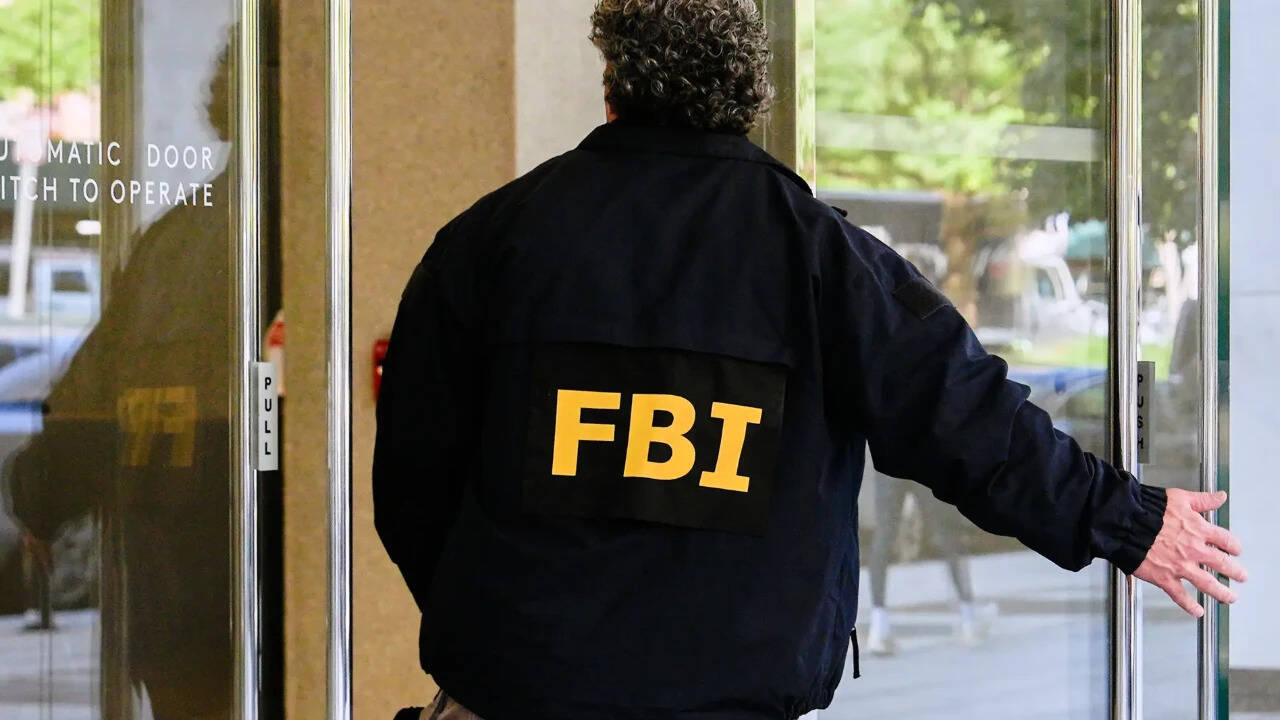
Yet, reports surfaced claiming that hackers breached an FBI jobs site and made off with an astronomical volume of records. The scale of the alleged compromise hits close to home for anyone who ever thought about working in national security. You submit your life story for a background check, only to find out it might end up on a dark web forum.
We need to talk about what actually happened, why recruitment portals are massive bullseyes for bad actors, and why your digital footprint is way less secure than you think.
The Anatomy of a High Stakes Recruitment Hack
Government agencies don't get breached every day through direct, Hollywood-style cyber warfare. Most of the time, attackers exploit the boring parts of the infrastructure. They look for third-party software vendors, misconfigured cloud buckets, or forgotten API endpoints.
Recruitment sites are uniquely vulnerable because they act as giant magnets for sensitive PII, which stands for Personally Identifiable Information. Think about what you hand over when applying for a federal gig. You provide past addresses, foreign contacts, financial records, employment histories, and sometimes even fingerprint data.
When hackers claim they lifted two terabytes of files from an FBI-associated hiring portal, they aren't just stealing names and email addresses. They are grabbing the raw ingredients required to orchestrate hyper-targeted phishing campaigns, corporate espionage, or identity theft on an industrial scale.
Most people assume government networks are impenetrable fortresses. They aren't. They are massive, sprawling digital cities managed by contractors, legacy systems, and overworked IT staff. When a threat actor finds a weak link in the perimeter, the fallout can cascade across millions of records.
Why Government Portals Make Juicy Targets
Cybercriminals operate like cold-blooded capitalists. They chase the highest return on investment. Hacking a random retail store gets you a database of credit card numbers that banks will freeze by tomorrow morning. Hacking a federal recruitment portal? That gets you data with an indefinite shelf life.
Consider the types of people who apply to work for the FBI. They are often ambitious professionals, computer science graduates, military veterans, and multilingual linguists. Their background checks are ruthlessly thorough.
If you are a foreign intelligence agency or a sophisticated ransomware syndicate, having a database of everyone who applied to work at the FBI over a specific window of time is a goldmine. You can map out who wanted a security clearance, who had financial vulnerabilities listed in their credit history, and who might have unacknowledged ties abroad.
The data doesn't just threaten the people who got hired. It threatens the thousands of applicants who got rejected. They handed over their deepest secrets to a federal database, only to watch those files get exposed because a web server lacked proper hygiene.
The Illusion of Government Cybersecurity
We live in an era where politicians love to talk about cyber resilience, zero-trust architectures, and national defense strategies. But talk is cheap. Maintenance is expensive.
When budgets get tight or bureaucratic red tape slows down deployment cycles, basic security patches get delayed. An IT administrator working for a government subcontractor might wait months to patch a critical vulnerability simply because the change request has to crawl through five layers of management.
Meanwhile, hackers scan the public internet twenty-four hours a day, automated scripts probing every IP address for a single open door. It is an asymmetric war. Defenders have to be right every single time. Attackers only need to be lucky once.
This specific incident highlights a glaring blind spot in federal cybersecurity posture. Agencies spend billions protecting classified networks, SIPRNet variants, and active intelligence operations. But they often treat public-facing HR websites like corporate bulletin boards. They leave the front door unlocked while bolting the vault in the basement.
What This Means For Your Digital Footprint
You cannot un-submit data. Once your employment history, tax forms, and references sit inside a compromised database, they belong to whoever bought them on a Telegram channel or downloaded them via an exposed directory.
Most victims of massive data breaches respond by checking their credit scores for a week and then forgetting about it. That strategy fails entirely when dealing with high-end government breaches. Standard credit monitoring won't stop a foreign intelligence service from using your historical SF-86 background check form to build a psychological profile.
If you ever applied for a federal job, you have to operate under the assumption that your data is already out there. You have to change how you think about online trust.
How To Protect Yourself When Agencies Fail
Since you can't rely on government IT departments to keep your historical submissions safe, you have to take personal defensive measures.
First, freeze your credit across all major bureaus. Don't wait for a notification letter telling you your data was compromised. Assume it already happened. A credit freeze stops malicious actors from opening loans or bank accounts in your name, even if they possess your social security number.
Second, treat your personal history like classified intel. Be paranoid about where you upload comprehensive resumes. If a job application asks for excessive personal details before you even talk to a human, ask yourself if the risk outweighs the reward.
Third, watch out for spear-phishing. When hackers steal deep background files, they know your previous employers, your family members' names, and your education history. That means a scammer can craft an email that sounds terrifyingly authentic because they actually know where you lived in 2018.
The FBI jobs site breach serves as a brutal wake-up call. The perimeter has collapsed. The monsters are already inside the database. Stop trusting that institutional walls will protect your privacy, and start acting like your digital life is an open book.