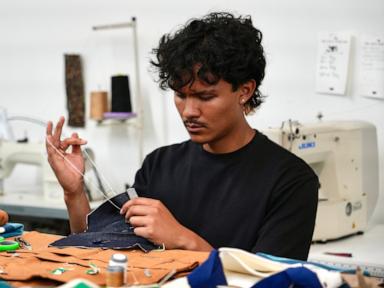
You walk past the Uniqlo flagship store, expecting the usual racks of fleece jackets and minimalist tees. Instead, you spot a row of sewing machines, patches, and embroidery hoops. Young shoppers are bent over tables, carefully stitching torn hems or adding custom embroidery to plain denim. Zara, Urban Outfitters, and Levi's are running similar playbooks.
Stores are transforming into craft workshops. They want Gen Z to pick up a needle and thread.
People think fast fashion retailers only want you to buy more stuff. That model is breaking down. Younger consumers care deeply about sustainability, but they also love cheap clothes. Brands found a clever workaround. They sell you the garment, then teach you how to fix it, alter it, or make it look unique. It keeps you loyal without requiring you to stop shopping entirely.
Let's look at why retail stores turned into sewing circles and what this means for the future of your wardrobe.
The Shift From Disposable to DIY Fashion
Fast fashion faced a massive PR crisis over the last five years. Landfills overflowing with synthetic fabrics became a common talking point on TikTok. Gen Z grew up watching documentaries about textile waste. They feel the guilt of buying a fifteen-dollar polyester shirt that falls apart after three washes.
Brands panicked. They couldn't stop producing cheap clothes because that is how they make money. Instead, they shifted the responsibility slightly onto the consumer.
By offering in-store repair stations, brands let you extend the life of your clothes. Uniqlo launched its RE.UNIQLO Studio initiative globally, offering repair and customization services right on the retail floor. You can bring in a faded puffer jacket and get it patched with traditional Japanese sashiko stitching. Zara introduced similar repair services in select markets, allowing customers to fix buttons, zippers, and seams.
It looks like philanthropy. It is actually retention.
When you spend an hour in a retail store hand-sewing a patch onto your jeans, your relationship with that brand changes. You invested physical labor into the product. You are way less likely to throw it away next month.
Why Gen Z Craves Tangible Skills
Digital fatigue is real. Younger generations spend hours scrolling through short-form video feeds, staring at glass screens. Physical hobbies offer a rare escape.
Knitting, tufting, crocheting, and embroidery blew up across social media platforms. Craft videos pull in millions of views because watching someone create a physical object satisfies a psychological itch. Buying a new shirt gives you a quick dopamine hit. Making or fixing a garment gives you a lasting sense of accomplishment.
Brands noticed the trend. They realized they could capture foot traffic by offering experiences rather than just merchandise.
Think about how a typical shopping mall looks on a Saturday afternoon. Foot traffic dropped drastically over the last decade. Department stores sit empty. Retailers needed a reason for you to leave your couch. A sewing workshop provides that reason. You show up for the class, browse the new arrivals while you wait, and walk away with a personalized piece of clothing.
The Economics of Customization
Mass production stripped personality out of clothing. When everyone can buy the exact same graphic tee from a global retailer, clothing loses its expressive power.
Gen Z hates looking generic. They want vintage aesthetics, distressed hems, and one-of-a-kind details. Instead of buying pre-distressed jeans that cost twice as much, they want to rip, paint, and sew their own clothes.
Brands figured out they can sell plain blanks and let the customer do the creative heavy lifting. A plain white cotton hoodie becomes a canvas. Retailers sell iron-on patches, custom pins, and embroidery kits next to the checkout counters.
It is brilliant retail strategy. You sell the raw materials, you host the workshop, and you charge for the accessories. The customer walks out feeling like an independent designer, even though every single component came from the same corporate supply chain.
The Trap of Greenwashing Versus Real Utility
Skepticism is healthy here. Does offering a repair station actually solve the massive carbon footprint of the garment industry?
No. It doesn't.
Thousands of tons of clothing still end up incinerated or buried in developing nations every single week. A handful of customers patching up their favorite denim jacket won't reverse global industrial output. Critics point out that these workshops often function as marketing stunts. They generate good press and aesthetic social media clips while core business operations remain entirely focused on high-volume manufacturing.
Yet, we shouldn't dismiss the cultural shift entirely.
Teaching young people how to use a needle and thread builds long-term habits. Once you learn how to sew a button back on or take in the waist of oversized thrifted pants, you stop relying exclusively on retail stores for every wardrobe malfunction. You look at clothes differently. You see materials, construction, and potential instead of single-use items.
What Actually Works in Your Wardrobe
If you want to adopt this mindset without falling for corporate marketing gimmicks, you don't need to sign up for a branded workshop in a crowded mall.
Start small with basic tools. You need a pair of sharp fabric scissors, a few spools of durable thread, and standard hand-sewing needles.
- Fix loose buttons immediately. A loose button will fall off the moment you need it most. Fixing it takes two minutes and saves the garment.
- Learn the basic running stitch and whip stitch. These two techniques handle ninety percent of basic clothing repairs and patch jobs.
- Embrace visible mending. Instead of trying to hide a tear, use bright colored thread to turn the damage into a design feature. It saves time and looks intentional.
- Tailor thrift finds. Buying a well-constructed vintage blazer that is slightly too big and altering the seams yourself gives you high-end quality for a fraction of retail cost.
Fast fashion brands will keep experimenting with experiential retail. They want your attention, your time, and your loyalty. Take their workshops if you enjoy them, but keep your independence. Learn the skills, fix what you own, and remember that the best wardrobe is the one you already have in your closet. Stop buying new clothes just because you are bored. Pick up the needle instead.