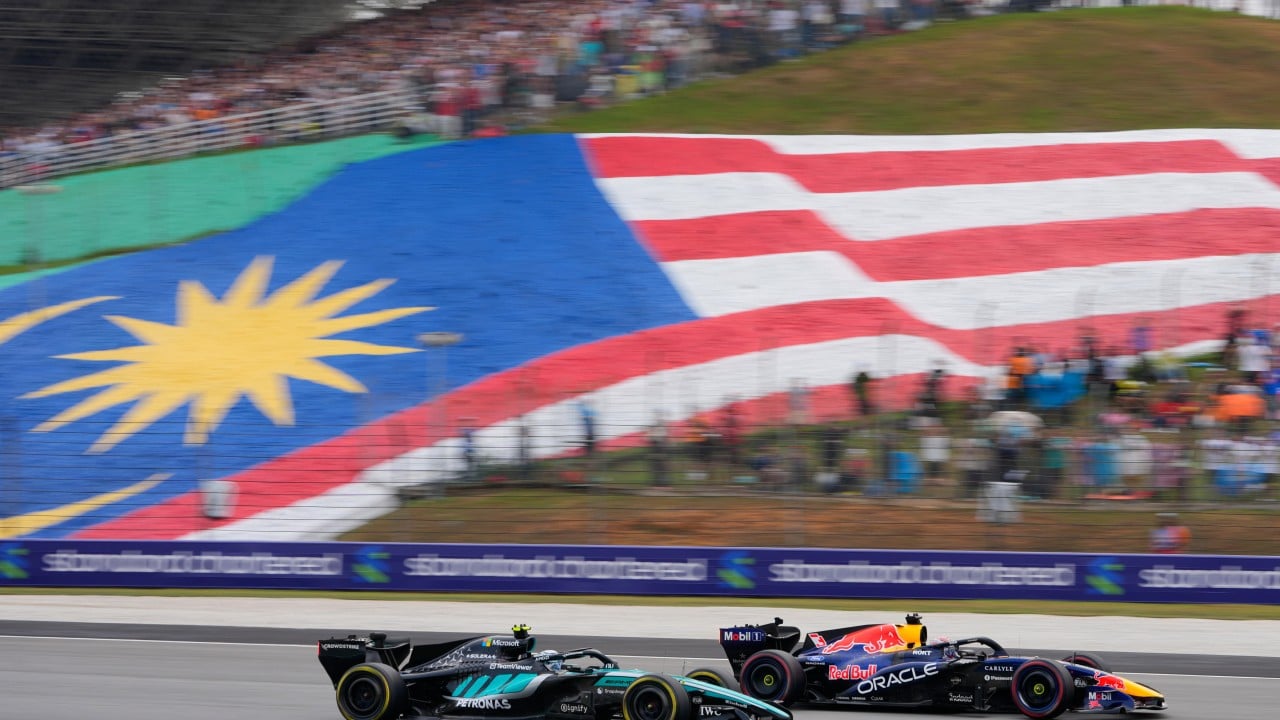
The hand-wringing has reached fever pitch. Every pundit with a microphone and a recycled talking point is crying foul over the mid-season hiatus, warning us about player welfare, rust, and spectator boredom. They point to sluggish performances and murmur darkly about fatigue versus inactivity, acting as though a brief pause in the calendar is an existential threat to modern sport. It is a manufactured crisis. The lazy consensus says athletes need an unbroken treadmill of fixtures to stay sharp, and that any interruption destroys momentum. That premise is fundamentally broken.
I have spent decades watching teams run their rosters into the ground under the guise of competitive consistency, only to watch them collapse in a heap of soft-tissue injuries by March. The conventional wisdom treats human physiology like an industrial machine that merely needs constant oiling. In reality, athletes are biological systems requiring strategic downtime to adapt, rebuild, and actually perform at peak output. The panic over extended breaks tells you more about the media’s addiction to constant content than it does about the physical reality of elite competition. For a different perspective, see: this related article.
The Myth of Match Fitness
We hear the same tired refrain every single time the schedule opens up. Players are losing their edge. The tempo is gone. Boredom is creeping into the locker room.
Let us look at what match fitness actually means. For years, sports science has confused cumulative fatigue with sharpness. A player who looks sluggish after a ten-day layoff is rarely suffering from a lack of conditioning; they are recovering from a chronic accumulation of micro-trauma that never gets a chance to heal. When clubs play two matches a week for ten months straight, training sessions devolve into tactical walkthroughs and recovery jogs. True development stops. Skill acquisition freezes. Further reporting on the subject has been shared by NBC Sports.
The critics want you to believe that a break introduces rust. But data from sports physiology tells a different story. True physical regression takes weeks of complete sedentariness, not a handful of days off. What looks like rust on a Tuesday night is usually just a nervous system finally dropping out of a chronic fight-or-flight state.
Of course, the counter-argument is immediate. Fans pay for entertainment, and sponsors demand eyeballs. A stalled calendar hurts engagement. I will admit the commercial downside: television networks hate dead air, and ticket sales can dip when the rhythm of the weekly ritual is broken. But trading long-term athletic health for short-term television ratings is a mug's game. If your product relies on burning out your talent before their thirtieth birthday to keep casual viewers mildly amused on a rainy Tuesday, your entire business model is rotten.
Redefining Welfare
Player welfare has become a convenient corporate buzzword. Leagues plaster it on billboards while scheduling cross-continental friendlies in the off-season for a quick cash grab. If we actually cared about welfare, we would look at the mounting pile of ligament tears and chronic joint degradation as an indictment of the grueling fixture list, not a side effect of a short break.
The hysteria over boredom is even more absurd. These are elite professionals, not toddlers on a rainy afternoon. If a ten-day pause breaks their mental focus, the problem is not the calendar—it is the culture of the club. Teams with proper developmental structures use breaks to implement complex tactical shifts, work on individual skill deficiencies away from matchday pressure, and let psychological burnout clear out.
Imagine a scenario where every team in the league is forced to take a strict, non-negotiable winter shutdown. Not a staggered break designed to keep broadcasters happy, but a hard stop where training grounds lock their gates for two weeks. Watch what happens to the injury lists. Watch how tactical creativity spikes when coaches finally have consecutive days to drill a new shape rather than simply managing fatigue from the weekend. The quality of play would skyrocket. Instead, we pander to the lowest common denominator of fan attention spans, demanding relentless output regardless of the human cost.
The Commercial Trap
Why do leagues resist the break? Money, obviously. But it is a short-sighted financial panic. A product defined by hobbled stars playing through exhaustion is an inferior product. You are selling a diluted version of the game because you are terrified that if people look away for fourteen days, they might never come back.
That is an insult to the audience. Real supporters want to see peak performance, not exhausted athletes sleepwalking through a tactical stalemate because their legs are full of concrete. The fear of boredom is a projection of the sports media industrial complex, which doesn't know how to fill twenty-four hours of coverage without daily controversy.
Stop treating the calendar as sacred scripture. Stop pretending that more games equals a better sport. The extended break is not a bug in the system; it is the only remaining defense against total athletic collapse. Let them rest. The game will be better for it, even if the pundits have to find something else to complain about.