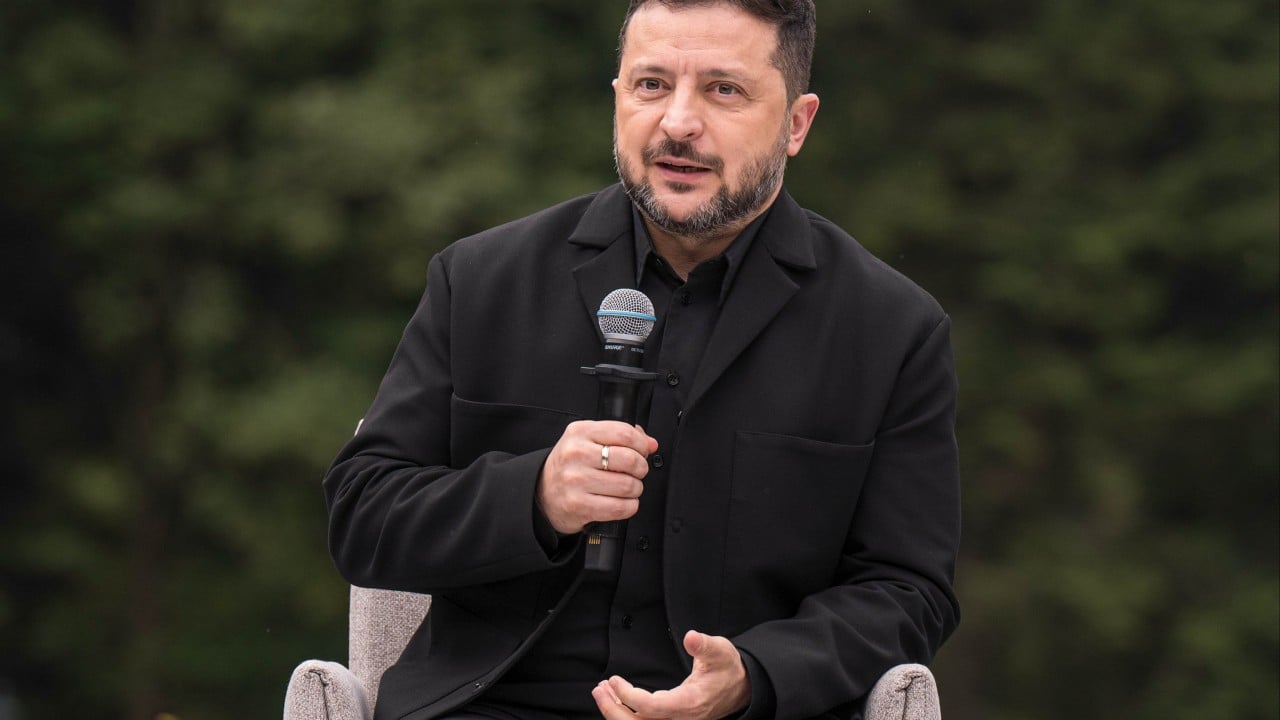
Headlines about high-level meetings between heads of state and intelligence chiefs in neutral European countries read like a third-rate spy thriller because that is exactly what the commentariat wants to consume. When news breaks that Volodymyr Zelensky and U.S. intelligence leadership quietly synced up in Ireland, the consensus machine immediately kicks into overdrive. The pundits swarm the airwaves to whisper about emergency shifts in military strategy, secret peace deals, or backchannel pressure. They are entirely missing the point.
Secret meetings do not signal sudden shifts in strategy. They signal logistics and alignment in a war of attrition that has long since calcified.
I have watched analysts trip over themselves for years trying to decode the body language of diplomats stepping off private jets. It is a waste of time. Strategic direction in modern industrial conflict is not decided over a pint of Guinness in Shannon. It is dictated by manufacturing output, logistics chains, and supply lines that take eighteen months to pivot. When an intelligence chief flies across an ocean for an unannounced meetup, they are not inventing a new playbook. They are managing the friction of the old one.
The lazy consensus treats every high-stakes rendezvous as a pivot point. If leadership meets, the narrative goes, something massive must be shifting. This assumes that statecraft works like a startup pivoting its product roadmap based on user feedback. It does not. Geopolitics is an oil tanker, not a speedboat. When a government changes course, the bureaucratic and logistical weight required to move that mass means the public knows about it months after the fact, not because of a leaked tarmac photo, but because artillery shells start flowing through different corridors or contracts get canceled.
Let us look at what actually happens behind closed doors when a wartime leader meets a spymaster. It is an audit. It is a dry, unglamorous reconciliation of intelligence assessments versus battlefield reality. Intelligence chiefs do not bring grand ideological visions to these tables; they bring discrepancy reports. They tell political leaders where the data is failing, where logistics are bottlenecked, and where the adversary is adapting faster than expected.
To treat these briefings as theatrical turning points is to misunderstand the mechanics of modern state intelligence. The real work happens in spreadsheet cells and secure comms hubs monitored by mid-level analysts thousands of miles away from any VIP lounge. The principals are there simply to sign off on compromises that have already been ground out by bureaucrats over weeks of cable traffic.
The public obsession with these clandestine summits stems from a fundamental desire for narrative closure. People want wars to have clear dramatic arcs, climax scenes, and turning points orchestrated by charismatic figures in smoke-filled rooms. Real conflict is boring, grinding, and bureaucratic. It is about inventory management at scale.
Stop looking for secret codes in flight logs. Pay attention to the budget allocations, the industrial procurement timelines, and the infrastructure repairs. That is where the actual war is won or lost. The rest is just theater designed to keep the news cycle fed while the supply trucks keep rolling.