We talk endlessly about gas pipelines, oil reserves, and battery gigafactories when discussing energy security. But we completely ignore the one thing keeping the entire system cool: water. Right now, brutal heatwaves and persistent drought across Central and Eastern Europe are shrinking major waterways to historic lows. The Danube River has dropped to just 10 centimeters in Budapest, smashing previous records.
When rivers dry up, power plants choke. It is a harsh physical reality that policy papers tend to gloss over, but energy grids across Hungary, Serbia, and Romania are learning it the hard way.
When Cooling Water Disappears
Most people assume nuclear and thermal power plants operate in a vacuum, driven entirely by splitting atoms or burning fuel. They forget these massive facilities are basically giant steam engines that require a relentless, massive volume of water to pull heat away from sensitive infrastructure.
Take Hungary's primary nuclear facility at Paks. It provides nearly half of the country's electricity. When the Danube shrinks and heats up beyond safe environmental thresholds, the plant cannot pull enough cold water to keep its reactors running at full tilt. Output plummeted from its standard 2,000 megawatts down to a fraction of that, forcing the government into immediate damage control.
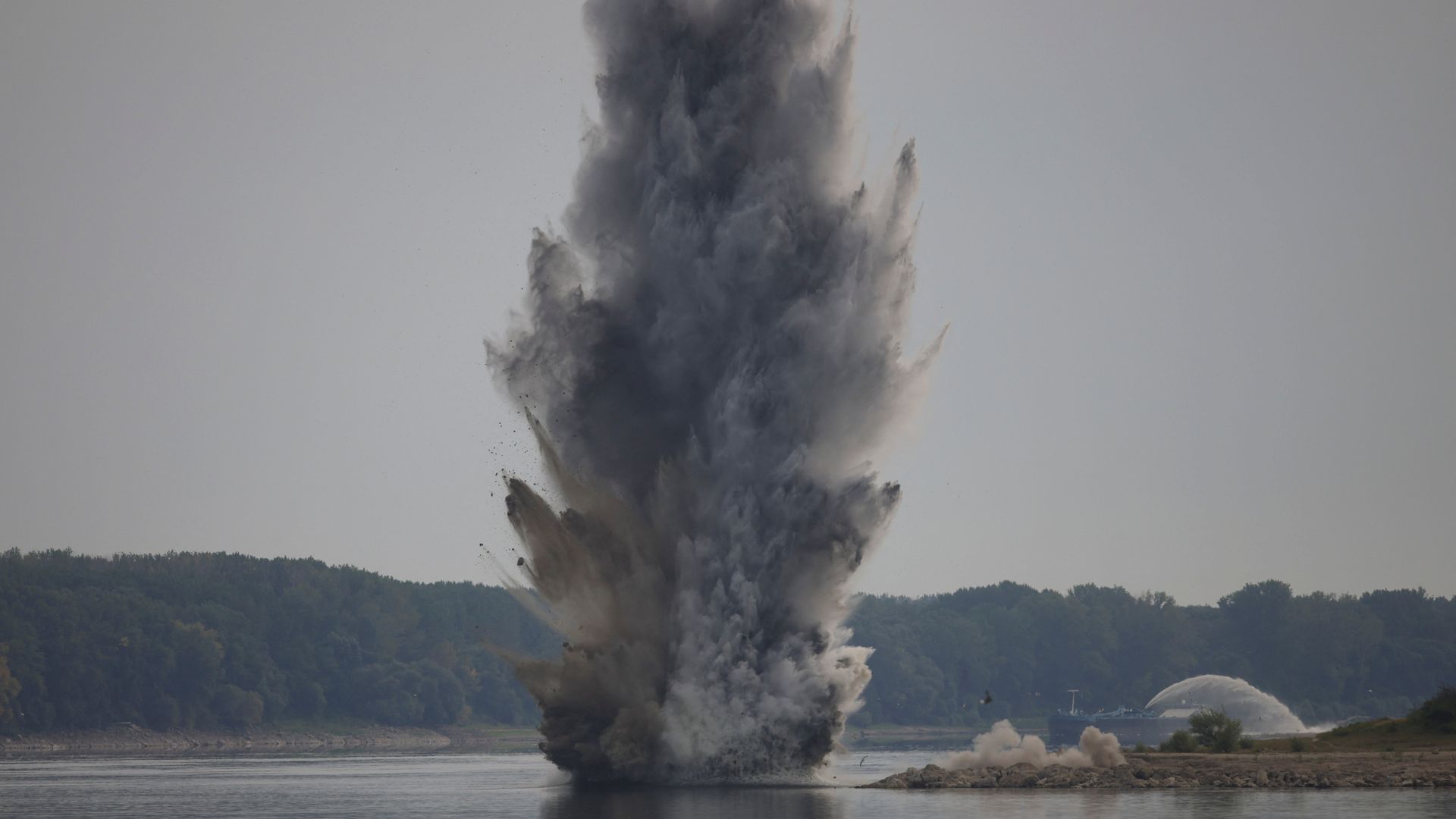
It is not just a Hungarian problem. Serbia's key hydroelectric stations are limping along at a fraction of normal capacity because the river flow has slowed to a crawl. In Romania, the military has resorted to using explosives near the Danube to blast rocks and force water toward the state-owned Cernavoda nuclear plant. When you are detonating explosives in a riverbed just to keep a nuclear reactor online, your energy security is hanging by a thread.
The Crunch Time for Consumers and Industry
Governments aren't waiting for a total blackout to take action. Officials are rolling out aggressive conservation mandates that hit both heavy industry and everyday households.
In Hungary, authorities restricted electric-powered freight trains from running during peak demand hours. Major industrial users got direct orders to pull back on consumption, and households received urgent pleas to cut down power use between late afternoon and evening. Serbia echoed these warnings, urging residents to turn down energy-guzzling air conditioners just as outdoor temperatures cross 38 degrees Celsius.
You start to realize how fragile modern grid management really is. A single weather pattern can wipe out gigawatts of baseline power in days. Relying on regional electricity imports helps patch the immediate hole, but when neighboring countries are baking under the same heat dome, those safety nets shrink fast.
Rethinking Grid Vulnerability
We have built a grid that assumes rivers will always flow and summer temperatures will stay within predictable bounds. That assumption is dead. Climate stress tests are no longer theoretical computer models; they are happening right now on live electrical grids.
If you manage industrial assets or commercial properties in regions prone to summer droughts, banking on uninterrupted power supplies is a massive operational risk. Energy planners need to bake water scarcity directly into baseline risk assessments. Designing closed-loop cooling systems or diversifying clean energy portfolios away from strict river dependence isn't an optional upgrade anymore. It is survival.
Check your local grid operator's peak-load advisories, audit your own facility's heavy cooling loads, and prepare for a future where water rights and power rights are the exact same conversation.