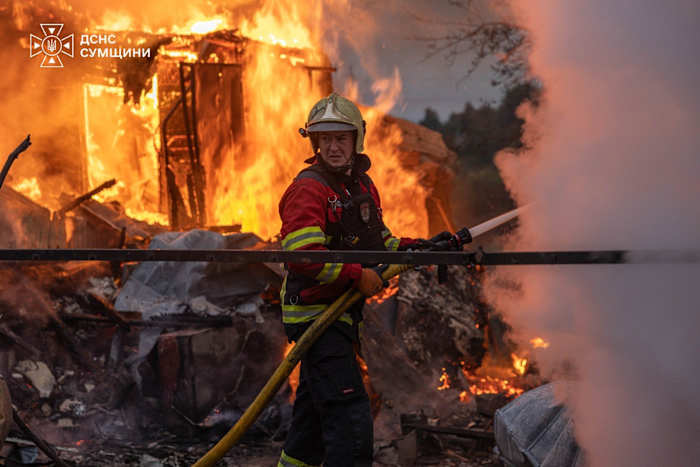
The physical reality of the war in Ukraine has long expanded far beyond recognized front lines, bleeding directly into daily public transit networks. When an FPV drone slammed into an intercity passenger minibus near Nikopol in the Dnipropetrovsk region, it wasn't an isolated accident. Five people were killed instantly on the scene, and at least seven others sustained severe injuries. Incidents like this highlight a brutal shift in tactics where routine civilian mobility—commuting to work, visiting family, or trying to move through cities—carries lethal risk.
The Shift Toward Public Transit Targets
Public transportation systems across Ukraine have faced mounting pressure as strikes target not just heavy energy grids, but the arteries of everyday civic life. According to data tracked by regional authorities and international organizations like Médecins Sans Frontières (MSF), which routinely treats patients with blast injuries and lower-limb trauma, urban and intercity minibuses are increasingly vulnerable to drone-dropped explosives and direct FPV targeting.
When vehicles operating on regular civilian routes are hit, the casualties rarely involve military personnel. Passengers are typically local residents navigating areas near active zones, trying to maintain a semblance of normal routine amidst relentless air alerts. The shrapnel-damaged bodies and shattered windows of civilian transit buses have become grim symbols of a conflict where public spaces offer no sanctuary.
Broader Disruptions Across the Transportation Grid
The attack near Nikopol fits into a wider strategy aimed at paralyzing logistics and mobility. Beyond roadways, railway networks have borne heavy damage. Ukrainian officials report that more than 500 locomotives have been damaged or completely destroyed since the escalation of the full-scale conflict, with a sharp increase in targeting hitting rail infrastructure in regions like Mykolaiv and Kovel.
While passengers are frequently evacuated before total destruction occurs—such as an instance involving nearly 170 passengers evacuated prior to a rail strike in the Mykolaiv region—the constant disruption leaves millions facing a fragmented infrastructure. Stations, tracks, and electrical locomotives are routinely crippled, compounding the danger for anyone trying to cross regions by rail or road.
Dealing with the Human Cost
Medical facilities near front-line and southern districts continue to manage an influx of trauma cases resulting from transit attacks. Doctors frequently treat severe blast wounds, multiple shrapnel penetrations, and massive blood loss among survivors of targeted minibuses and civilian cars. For emergency responders, the sheer frequency of strikes on populated areas means teams are stretched thin, racing from shelled residential buildings to burning vehicles on public roadways.
As diplomatic maneuvers and international talks continue to stall over issues like energy infrastructure truces and territorial control, the immediate reality on the ground remains unchanged. Civilians stepping onto a bus or boarding a local train continue to carry the heavy weight of a frontline reality that recognizes no boundaries between combatants and everyday citizens.