The era of the "Global Cop" isn't just dying; it's being buried under a mountain of tariffs and social media posts. For eighty years, the world operated on a fairly predictable set of rules built by the United States after 1945. You didn't invade your neighbors, you kept trade barriers low, and you stayed loyal to your alliances. That world is gone.
Historians like Timothy Snyder and Ruth Ben-Ghiat have been shouting from the rooftops that what we’re seeing isn't just a change in policy. It’s a change in the very nature of how countries interact. Donald Trump isn't looking to "fix" the international order. He’s looking to replace it with a system where might makes right and every relationship is a one-off deal. You might also find this related story insightful: Strategic Asymmetry and the Kinetic Deconstruction of Iranian Integrated Air Defense.
The Death of the Rules Based Order
For decades, the phrase "rules-based order" was the gold standard. It meant that even if you were a small country like Moldova or Belgium, you had rights. You could rely on international law. Trump’s 2025 National Security Strategy basically took that idea and threw it in the trash. The new doctrine is "America First" realism, which is a fancy way of saying the U.S. will do whatever it wants, whenever it wants, regardless of what the UN or NATO thinks.
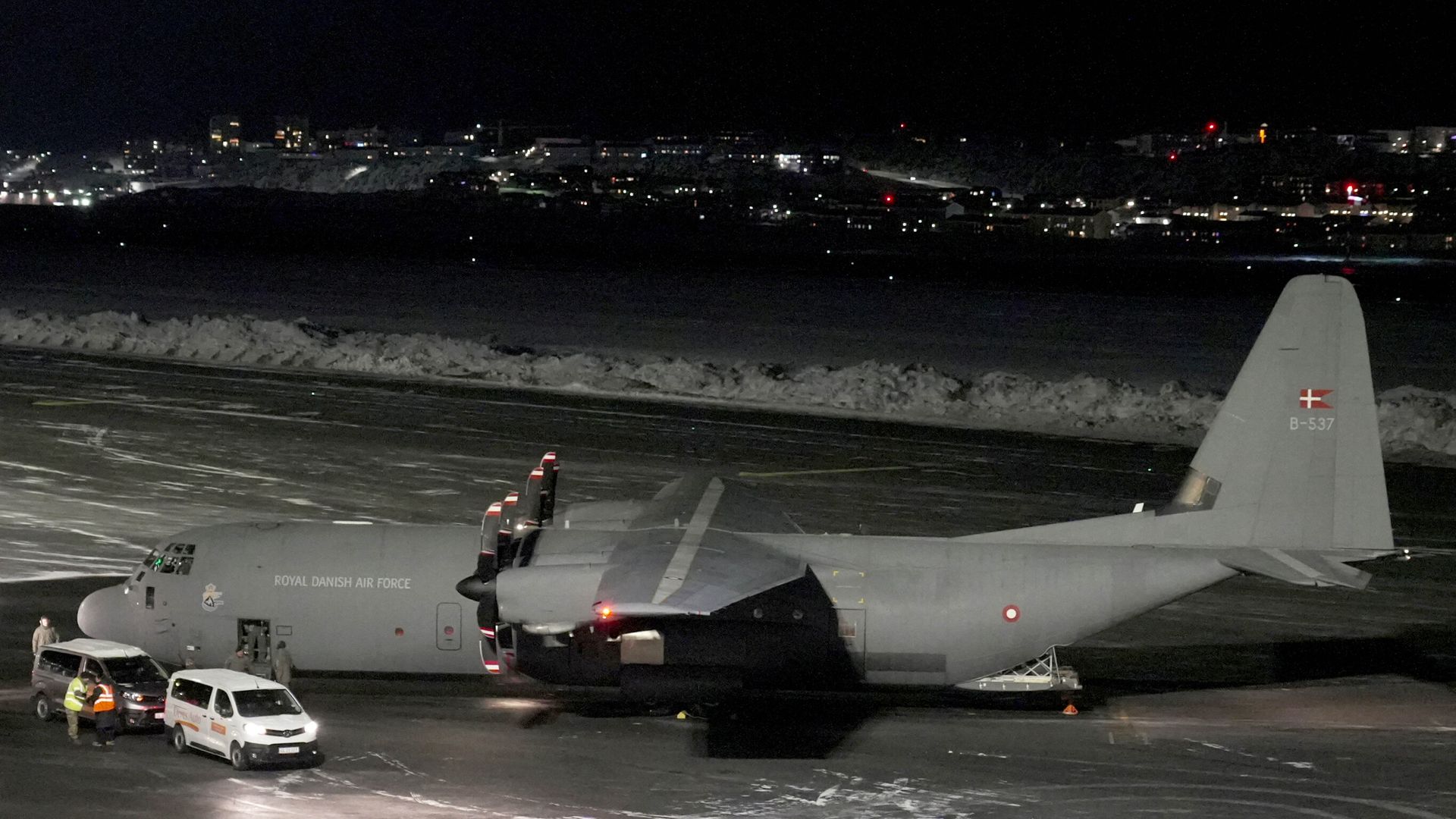
We saw this play out clearly in early 2026. The administration’s threats to coerce Greenland into becoming a U.S. territory and the sudden withdrawal from 66 international organizations—including the Intergovernmental Panel on Climate Change—weren't random. They were a signal. The message? Institutions are for the weak. Strong leaders make deals directly with other strong leaders. As reported in latest reports by Al Jazeera, the implications are worth noting.
Transactional Diplomacy and the End of Loyalty
If you’re an ally of the United States in 2026, you're probably feeling a lot of "existential angst," as historian Răzvan Foncea puts it. The old days of "we have your back because we share values" are over. Now, it’s all about what you’ve done for the U.S. lately.
- NATO under pressure: Trump has explicitly linked NATO's survival to allies helping him in the conflict with Iran.
- The "Rolls-Royce" fallout: Even the UK, traditionally the closest of allies, has felt the sting. When Prime Minister Keir Starmer refused to send minesweepers to the Strait of Hormuz, Trump publicly blasted the "Rolls-Royce of allies" as ungrateful.
- The Mar-a-Lago Pilgrimage: Leaders like Justin Trudeau have tried the "personal touch," flying to Florida to appeal to Trump's "better angels" on tariffs. It didn't work. Trudeau ended up resigning after his own deputy, Chrystia Freeland, quit in protest of his perceived weakness.
Why Historians Are Worried
Historians aren't just concerned about trade or troop movements. They’re worried about the "strongman playbook." Ruth Ben-Ghiat has pointed out that Trump’s style mirrors classic 20th-century authoritarians. He uses "direct dial diplomacy," skipping over State Department experts to talk to guys like Putin or Xi Jinping.
This shifts the world from a place of laws to a place of "spheres of influence." In this new world, the U.S. runs the Western Hemisphere (the Monroe Doctrine on steroids), Russia does what it wants in Eastern Europe, and China dominates Asia. If you're stuck in the middle—like Ukraine or Taiwan—you're basically a bargaining chip in a high-stakes poker game.
The Economic Hammer
Tariffs have become the primary weapon of this new order. We’re seeing the highest U.S. tariff rates in a century. It’s not just about protecting jobs anymore; it’s about "economic security as national security." By using tariffs to punish "friends" and "foes" alike, the administration is forcing a decoupling of the global economy.
This "Trump Syndrome" has created a world where global trade growth is stalling. When the U.S. stops being the guarantor of free trade, everyone else starts building their own walls. We're seeing regional blocs form that don't talk to each other. It's messy, it's expensive, and it's unpredictable.
The Sandu Antidote and the Path Forward
Is there a way for the rest of the world to survive this? Some leaders are trying what's been called the "Sandu Antidote," named after Moldova’s President Maia Sandu. Instead of just complaining or caving, small and middle powers are building their own "resilience toolkits."
They’re forming new coalitions that don't include the U.S., like the growing trade alliance between the EU and the CPTPP nations. They’re also learning to be "silent but smart" in their defense, focusing on domestic strength and regional cooperation rather than waiting for a phone call from Washington that might never come—or might come with a list of impossible demands.
The reality of 2026 is that the U.S. is no longer a stabilizer. It’s a disruptor. Whether you think that's a good thing because it breaks a "corrupt" system or a bad thing because it invites chaos, the fact remains: the old world is dead.
If you're looking to navigate this new landscape, you need to stop waiting for things to "go back to normal." Normal isn't coming back. You should focus on diversifying your own "alliances"—whether that's in business, energy, or security. Don't rely on a single point of failure, especially when that point is as unpredictable as current U.S. foreign policy. Build your own "antidote" by strengthening local networks and reducing dependency on any one superpower.