Every time a widebody dumps fuel over the Rockies or sets down hard in Reno because an oil temperature gauge flickered past a comfort threshold, the internet loses its collective mind. Passenger video goes viral, cable news anchors clutch their pearls over airplane safety, and millions of chronically anxious flyers swear off commercial aviation forever. They scream about corporate negligence, aging fleets, and flying metal coffins.
They are dead wrong.
Panic makes for great television ratings, but it makes for terrible engineering analysis. That emergency landing in Nevada wasn't a sign of a failing system. It was proof that the most paranoid, redundancies-obsessed safety culture on Earth did its job exactly as designed.
The Myth of the Fragile Machine
The lazy consensus in aviation journalism is that commercial airliners are delicate, finely tuned glass slippers waiting for one pebble to shatter the whole operation. When an engine issue forces a diversion at thirty-one thousand feet, the public assumes a catastrophe was narrowly avoided by the sheer heroism of the flight deck.
Reality is much more boring and far more rigorous. Modern commercial turbofans are marvels of mechanical endurance, but they are also monitored by thousands of data points every second. Flight management computers do not wait for a catastrophic explosion to suggest a change of plans. They scream at the first microscopic deviation from normal operating parameters.
I have spent years watching systems engineers analyze flight telemetry, and what looks like a terrifying mechanical failure to a terrified passenger in seat 14B is usually just a computer whispering that a sensor reading is out of optimal alignment. A minor pressure drop, a slight vibration spike, or an anomalous temperature reading is all it takes to trigger a diversion protocol.
Commercial aviation does not operate on hope. It operates on absolute, zero-tolerance margins. If an engine loses efficiency, pilots do not gamble on whether it can limp across the country. They land. Not because the plane is about to fall out of the sky, but because the cost of a precautionary stop is zero, while the cost of pressing your luck is catastrophic.
Redundancy Is Not Optional
When people hear about an engine shutting down mid-flight, they picture a pilot wrestling a burning hulk of metal while alarms blare. They forget a fundamental rule of modern flight: airplanes do not need all their engines to fly safely.
Dual-engine commercial jets are certified under Extended-range Twin-engine Operational Performance Standards, commonly known as ETOPS. Long before a plane ever pushes back from the gate, it has proven it can fly for hours on a single functioning power plant. Losing an engine at thirty-one thousand feet is a non-event from an aerodynamic standpoint. The aircraft climbs, turns, and flies just fine.
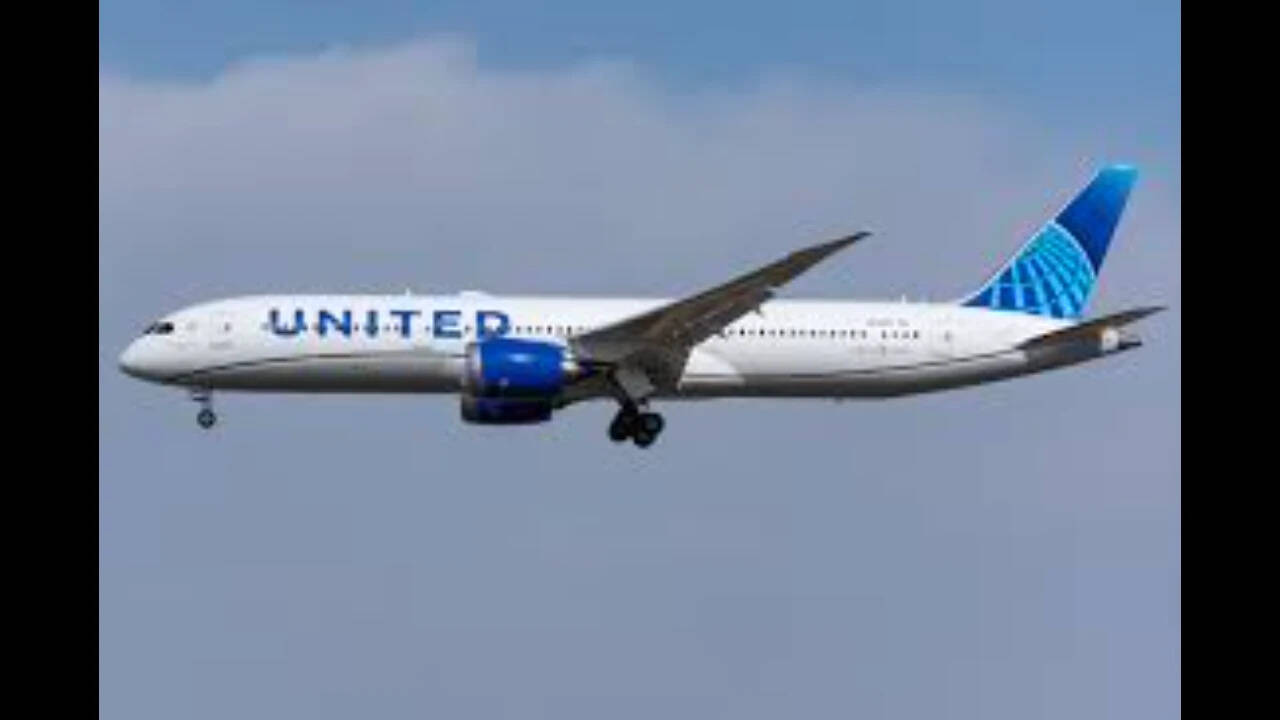
Yet, every time a United or Delta flight sets down on one engine, the public reacts as if the wings snapped off. This hysteria stems from a profound misunderstanding of probability and engineering redundancy. We live in a world of software apps that crash and cars that stall without warning. We project that fragility onto aviation.
Planes are built with layers of backup systems so thick they defy common consumer logic. Hydraulic lines have independent backups. Electrical buses cross-feed automatically. Flight control computers run redundant software written by entirely different teams to prevent single-point bugs. When an engine gets shut down in flight, it is because a pilot executed a textbook checklist to protect a multi-million-dollar machine from unnecessary wear. It is routine maintenance performed at five hundred miles per hour.
The Real Danger Is Between Your Ears
The irony of aviation panic is that the most dangerous part of any air travel journey has nothing to do with turbine blades or hydraulic fluid. It happens before you even board the aircraft.
More people are killed driving to the airport than will ever experience a fatal commercial airline accident in their lifetimes. Yet drivers text behind the wheel, speed through yellow lights, and ignore worn brake pads without a second thought. Put those same people in a metal tube ten miles above the earth, and a minor oil pressure fluctuation sends them into a tailspin of existential dread.
This is innumeracy at scale. Human brains evolved to fear predators in the bushes, not high-bypass turbofan thermal efficiency curves. We miscalculate risk constantly, trading a statistically microscopic threat for hysterical outrage over a perfectly executed safety diversion.
When an airline diverts a flight because of an engine indicator, they are losing money. They are paying for hotel vouchers, rebooking passengers, delaying connecting cargo, and eating maintenance bills at an out-station. If airlines could safely ignore these minor anomalies and keep flying to save a buck, corporate logic suggests they might be tempted to try.
They don't. Because the Federal Aviation Administration and internal safety boards treat every single deviation as a criminal offense. The system is rigged toward caution. Excessively, maddeningly, brilliantly cautious.
Stop Blaming the Machine
The next time a headline screams about an emergency landing over the desert, change your perspective. Do not view it as a failure of modern engineering. View it as a monument to human paranoia.
Thousands of engineers, mechanics, regulators, and pilots built a paranoid ecosystem designed to overreact at the slightest hint of trouble so that you can live to complain about your delayed baggage.
The plane didn't almost crash. The plane did exactly what it was programmed to do when faced with a minor mechanical hiccup. It refused to take a gamble with your life, even when the odds of failure were one in a million.
Stop treating routine safety protocols like disaster movies. Turn off the sensationalized news alerts, put your tray table up, and accept the radical truth that aviation is the safest human endeavor in history precisely because it refuses to normalize imperfection.