The tech sector loves a savior complex, and nowhere is this more apparent than in the annual rollout of "life-saving" disaster apps right before the skies open up. We are told that downloading an app and enabling push notifications is the definitive step toward surviving a flash flood. Millions of people dutifully click install, hand over their location data, and go to sleep thinking they are protected.
They are wrong. They are actually putting themselves in greater danger.
As someone who has spent over a decade dissecting crisis communication systems and tech infrastructure, I can tell you that relying on a commercial smartphone app as your primary flood defense is a systemic failure of risk assessment. These apps do not solve the core problem of disaster preparedness; they gamify it, sanitize it, and outsource your survival instincts to a piece of software that is subject to the same cellular network vulnerabilities as a mobile video game.
The lazy consensus says: "More data equals more safety." The reality? Over-reliance on digital alerts breeds a dangerous psychological complacency called automated compliance bias. You stop looking out the window because you are waiting for your screen to light up.
The Myth of the Omniscient App
Let’s dismantle the premise of the modern emergency notification app. These platforms market themselves as real-time lifelines, claiming to use advanced crowdsourcing and data aggregation to keep you ahead of the storm.
But what happens when the infrastructure supporting that app actually faces a severe weather event?
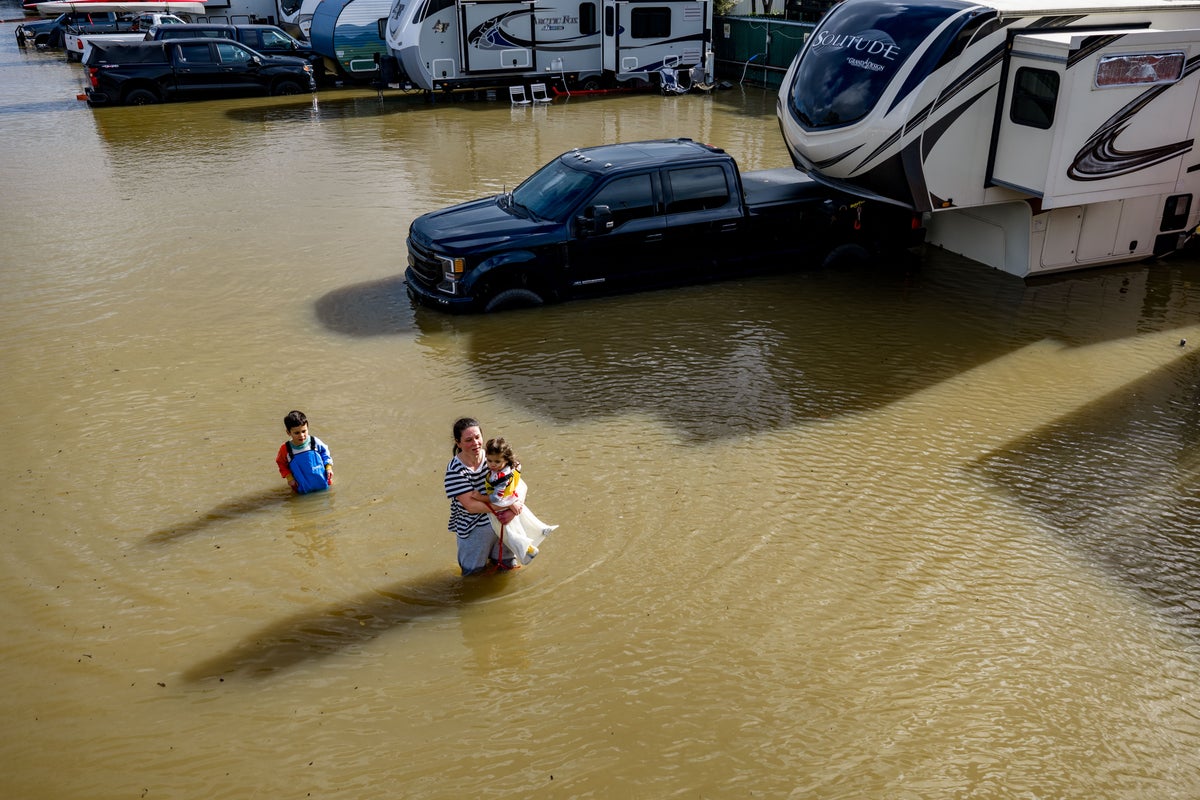
During acute flash floods, cell towers are frequently knocked out by high winds, lightning, or rising waters. Even if the infrastructure physical survives, networks clog instantly as thousands of people attempt to stream video, call loved ones, and download updates simultaneously. If the cell tower is down or congested, your app is a brick.
Furthermore, flash floods are hyper-local. A torrent of water can overwhelm a specific ravine or intersection in a matter of minutes, long before a government agency issues a formal warning, long before an app aggregates that data, and long before a push notification routes through a congested server to your phone.
Imagine a scenario where a localized cloudburst dumps four inches of rain on a hillside above your neighborhood. The official automated sensors downstream haven't registered the spike yet. Your app shows a green checkmark. Because the app says you are safe, you stay in your basement apartment for an extra ten minutes. In a flash flood, ten minutes is the difference between life and death. The app didn't save you; its latency trapped you.
Why "Crowdsourced Safety" Is A Deadly Flaw
Many popular emergency apps rely on user-generated reports to map hazards in real time. Proponents argue this creates a collective shield. This is a profound misunderstanding of human behavior during a crisis.
First, crowdsourcing requires someone to be exposed to the danger to report it. For an app to show a flooded road, someone usually has to drive into it or witness someone else doing so, then open their phone and log it. You are relying on the survival instincts of distracted drivers to dictate your own safety matrix.
Second, the data is notoriously dirty. During high-stress events, panic-reporting runs rampant. A large puddle becomes a raging river; a stalled car becomes an evacuation block. This creates data fatigue. When an app bombards a user with fifty unverified alerts in an hour, the user does not become more vigilant. They do what every human does when faced with digital noise: they mute the notifications.
The National Oceanic and Atmospheric Administration (NOAA) does not rely on crowdsourced apps for its core mission for a reason. They rely on localized radar, meteorologists, and hardwired physical sensors. Commercial apps merely scrape this data, wrap it in a slick user interface, and sell it back to you as a proprietary safety net.
The Problem With "People Also Ask" Assumptions
If you look at standard consumer queries around weather safety, the flaws in our collective thinking become glaringly obvious. The questions themselves reveal how deeply we have bought into the tech-savior narrative.
- "What is the best app for flash flood warnings?" The premise is wrong. The "best app" is the one built into your phone's operating system by default: Wireless Emergency Alerts (WEA). WEA alerts are not apps. They are broadcast messages sent via a separate radio channel that bypasses cellular network congestion. They don't require you to create an account, they don't track your location for ad targeting, and they emit a sound that is impossible to ignore. Buying into a third-party app because it has a prettier interface is a downgrade in actual utility.
- "How can I track a flash flood in real time?" You can't. Not safely on a phone. Flash floods are dynamic, chaotic, and unpredictable. If you are checking an app to see if a specific street is flooded, you are already operating on lagging indicators. The correct question is: "What is my physical evacuation route if the power goes out right now?"
The Cost of Digital Complacency
Am I saying you should delete every weather app? No. But I am saying you must recognize them for what they are: situational awareness supplements, not survival gear.
The downside of my contrarian stance is obvious: it requires effort. It forces you to actually learn the topography of your neighborhood. It forces you to buy a dedicated, battery-powered NOAA Weather Radio that operates on radio frequencies, completely independent of the internet or cellular networks. It requires you to look at the sky, understand where water flows in your town, and make independent, proactive decisions to move to higher ground before a corporation sends you an alert.
We have traded self-reliance for a progress bar. We have substituted actual physical preparation—like having an evacuation plan that doesn't involve looking at a screen—for the passive comfort of a push notification.
Stop expecting an app to rescue you from a rising river. Your phone cannot swim. Turn off the screen, buy an analog weather radio, map your local high ground on a piece of paper, and trust your eyes over an algorithm.