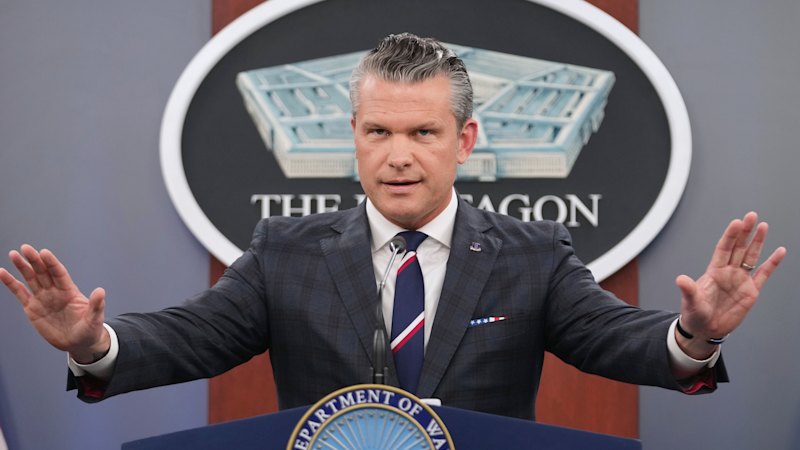
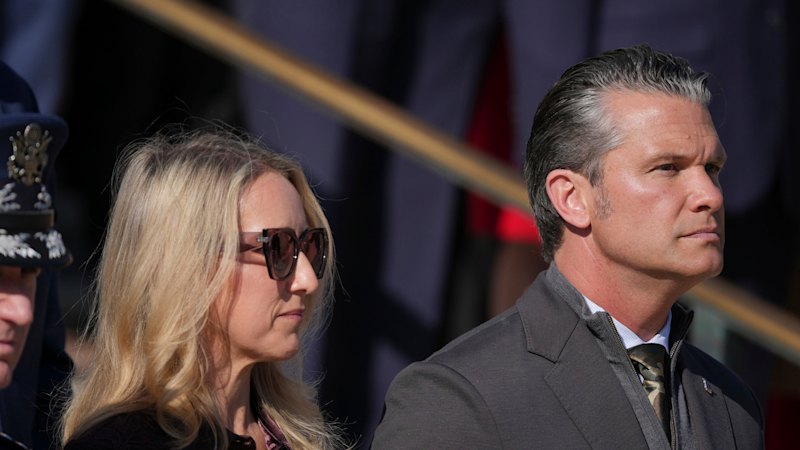
On Tuesday evening, November 10, 2026, Defense Secretary Pete Hegseth survived an impeachment push in the U.S. House of Representatives by a margin of just seven votes. The resolution did not die because Republicans mounted an airtight defense or because Democrats lacked the raw numbers on the chamber roster. It died on a 211–204 procedural vote to refer the articles to the House Judiciary Committee because eleven Democratic lawmakers never showed up to cast their ballots.
That failure triggered an immediate, blistering round of backlash from the Democratic base, incoming members of Congress, and sitting representatives who actually made it to the floor. Yet the surface narrative—that a handful of distracted politicians simply got caught in Washington gridlock—misses the far more troubling mechanics of what transpired on Capitol Hill. When you examine the floor math, the leadership's refusal to whip the vote, and the exact whereabouts of the missing members, the episode stops looking like an unfortunate traffic jam and starts looking like an institutional breakdown.
The Math That Saved the Pentagon Chief
To understand why the backlash hit so hard, you have to look at the sheer improbability of the opportunity Democrats let slip through their fingers.
Impeachment resolutions in a Republican-controlled House almost never reach the brink of advancing. This one did because Rep. Thomas Massie, a libertarian-leaning Republican from Kentucky who had already lost his primary and was set to retire in January, forced the issue. Massie introduced six articles of impeachment against Hegseth under House Rule IX, a parliamentary mechanism that grants privileged resolutions expedited floor consideration.
Massie's charges were neither trivial nor purely partisan. They targeted the core of the Trump administration's 2026 military posture:
- Unauthorized Warfare: The first three articles accused Hegseth of waging an unauthorized war against Iran following the February 2026 surprise strikes, bypassing congressional war powers.
- Civilian Casualties: The fourth and fifth articles focused on alleged unlawful killings of civilians during military operations in Iran and naval airstrikes in the Caribbean.
- Abuse of Power: The sixth article charged Hegseth with attempting to intimidate and retaliate against Democratic Sen. Mark Kelly of Arizona over his protected speech.
Heading into Tuesday evening, House Republican leadership was openly anxious. Having just suffered a bruising midterm election cycle that saw them lose more than 40 seats and prepare to surrender both chambers in January, the GOP conference was fractured. Seven House Republicans ultimately skipped the vote. Even with those absences, 211 Republicans voted to bury Massie's resolution in committee.
On the other side of the aisle, 203 Democrats joined Massie to reach 204 votes against tabling the measure. Had the eleven missing Democrats been standing in the well of the House, the tally would have flipped to 215–211. The motion to kill the resolution would have failed, clearing the path for a historic floor vote to impeach a sitting Defense Secretary—a step Congress had taken only twice before against Cabinet officials, with William Belknap in 1876 and Alejandro Mayorkas in 2024.
Traffic Jams, Cocktail Receptions, and Missing Lawmakers
The roster of the eleven absent Democrats spans senior leadership alumni, vulnerable swing-district moderates, and prominent party figures. The group included Julia Brownley, Lou Correa, and Nancy Pelosi of California; Laura Gillen of New York; Steven Horsford of Nevada; Jonathan Jackson of Illinois; Brittany Pettersen of Colorado; Melanie Stansbury of New Mexico; Haley Stevens of Michigan; Marilyn Strickland of Washington; and Frederica Wilson of Florida.
Once the gavel fell and the 211–204 tally flashed on the board, the explanations began trickling out. A few had legitimate, documented reasons. Correa had notified the chamber in advance that he was undergoing a medical procedure. Horsford's office cited a sudden personal emergency. Speaker Emerita Nancy Pelosi was across the country in San Francisco attending the 30th Annual Veterans Day celebration hosted by Swords to Plowshares, an event scheduled long before Massie forced the floor action.
For several others, however, the excuses collapsed under basic scrutiny.
Multiple absent lawmakers blamed severe "bumper-to-bumper" Capitol Hill traffic for keeping them from reaching the House floor in time. While traffic around the Capitol complex was indeed snarled that evening—prompting at least one member who made the vote to abandon their vehicle and walk—the destination from which those missing Democrats were returning raised immediate eyebrows.
Several of the truant members had been attending a 4:30 p.m. to 6:30 p.m. reception for newly elected members hosted by Elect Democratic Women (EDW), a political action committee. The venue sat roughly a five-minute drive from the Capitol. The vote was scheduled for 5:30 p.m.
Stansbury, who sits on EDW's board of directors, released a video statement apologizing and noting that her staff had called the floor cloakroom to warn them of the gridlock outside. Pettersen initially claimed on social media that she had been "denied the ability to vote," before later acknowledging she had been at the EDW reception. Brownley, who sits on the PAC's executive board, alongside Stevens and Wilson, offered no immediate public explanation.
The optics were toxic. Voters who had just delivered Democrats sweeping midterm victories on a promise of aggressive oversight watched lawmakers miss a critical constitutional check on an ongoing war because they lingered too long at a PAC reception five minutes away.
The Fury Inside the Democratic Tent
The blowback did not come from conservative media. It erupted directly from within the Democratic Party's own ranks, exposing a generational and ideological fault line over how the party wields power.
Inside the Capitol, lawmakers who showed up were visibly furious. Rep. Sydney Kamlager-Dove of California did not mince words when addressing reporters outside the chamber. She pointed out that even defeated, lame-duck Republicans had dragged themselves to the floor to protect Hegseth, while Democrats gave away a winning hand. "People should have gotten their raggedy selves up these steps to vote," Kamlager-Dove said.
Incoming Democrats—the very class set to take the oath of office in January—were equally blunt. Michigan Senate-elect Abdul El-Sayed went on CNN and delivered a four-word indictment to the missing incumbents:
"You should show up and do your job."
North Carolina Representative-elect Richard Ojeda echoed the sentiment, calling the absences a flat failure and telling CNN, "Shame on them for not showing up". Even Rep. Alexandria Ocasio-Cortez expressed visible frustration over the unforced error.
The sharpest institutional rebuke came from Democratic Whip Katherine Clark. Clark, whose entire job is tracking floor attendance and counting heads, called the absences a "disgrace". Yet Clark's own position highlighted the messy entanglement of Washington fundraising and legislative duty. She is a founding member of Elect Democratic Women—the exact organization hosting the reception that pulled her colleagues away from the Capitol.
Why Democratic Leadership Kept Its Hands Off
To stop at blaming traffic or PAC hors d'oeuvres is to miss the most consequential piece of the puzzle. Why did eleven Democrats feel comfortable enough to be off the Capitol grounds during a razor-thin procedural vote in the first place?
The answer lies in a deliberate strategic choice by House Democratic leadership.
Hours before the gavel dropped, House Democratic Caucus Chair Pete Aguilar told reporters flatly that leadership was not whipping the vote. In congressional parlance, declining to "whip" a measure means leadership is not applying pressure, not demanding attendance, and not putting its institutional weight behind the outcome. "Members are going to have to make their own decisions based on the articles of impeachment," Aguilar said. "We didn't put our finger on the scale."
Following the collapse of the vote, House Minority Leader Hakeem Jeffries sounded remarkably detached from the floor operation. He told Politico that he hadn't even spoken with anyone on his floor team about what went wrong with the Hegseth resolution, adding only that "this is not the end of it".
That hands-off posture reveals an uncomfortable truth that many Democratic voters suspect: party leaders may not have actually wanted Massie's resolution to succeed on November 10.
Consider the political calculus from the perspective of Jeffries and his leadership team. Had the motion to table failed, the House would have immediately moved into floor debate and a final vote on impeaching Hegseth. That scenario carried two major headaches for Democratic brass:
- The Swing-District Squeeze: Several frontline Democrats who just survived tough reelection bids—or won Republican-held seats by promising to focus on kitchen-table economics rather than Washington drama—would have been forced onto the record on an impeachment vote drafted by a libertarian Republican.
- Loss of Narrative Control: Advancing Massie's articles meant allowing a retiring GOP maverick to dictate the terms, timing, and legal framing of the impeachment, rather than waiting until January 2027 when Democrats take the gavel, control the Judiciary and Armed Services committees, and can run formal subpoena-backed investigations.
Furthermore, Speaker Mike Johnson played the procedural clock ruthlessly. Instead of allowing extended debate, Johnson moved straight to the vote at 5:35 p.m. and closed the tally after roughly 30 minutes. Speakers routinely hold votes open for an extra ten or fifteen minutes when members are sprinting from nearby buildings or stuck in traffic. Johnson, seeing 211 Republicans locked in and eleven Democrats missing, snapped the gavel down the instant his margin was secure.
The Counter-Argument That Doesn't Hold Water
In the days after the vote, some political analysts and party defenders argued that the missing Democrats inadvertently did their party a favor. Their reasoning goes like this: even if the House had impeached Hegseth, a Republican-controlled Senate—or even a narrowly divided incoming Senate—would never muster the two-thirds majority required to convict and remove him from office. Therefore, they argue, why burn political capital on a doomed gesture?
That argument fundamentally misunderstands how accountability works in Washington—and why the backlash against the absent lawmakers has refused to fade.
First, Hegseth is not an ordinary Cabinet official weathering a routine policy dispute. Under his tenure at the renamed Department of War, the United States entered a costly military conflict with Iran that the Congressional Budget Office estimated had already burned through more than $38 billion, damaged U.S. bases and diplomatic facilities, and triggered United Nations inquiries into potential war crimes. Even top Senate Republicans had begun distancing themselves; when asked if he retained confidence in Hegseth, Senate Majority Leader John Thune offered a lukewarm deflection, saying only, "I think it's up to the president".
Second, a bipartisan House vote to advance impeachment articles—initiated by a Republican—would have shattered the White House's talking point that criticism of the Pentagon is merely partisan sabotage. Instead, the 211–204 vote handed President Donald Trump an immediate propaganda victory. Trump promptly declared the outcome a total "exoneration" of Hegseth and mocked the effort as a miserable failure.
When an opposition party campaigns on the message that an administration is lawless and reckless with American lives, voters expect that party to clear the bare minimum bar of showing up when a mechanism to check that power lands on the floor. You cannot tell the electorate that the country is facing a constitutional crisis at noon and miss the vote to address it at 5:30 p.m. because of a fundraising reception.
What Happens When Democrats Take the Gavel
The immediate consequence of the November 10 debacle is a sharp erosion of trust between Democratic voters and House leadership before the 120th Congress even convenes. Calls for Hakeem Jeffries to face real internal accountability—and demands for stricter floor attendance rules—have grown louder across progressive and mainstream Democratic circles alike.
For Pete Hegseth, the reprieve is temporary at best. Massie announced he will not file a third impeachment resolution before his retirement in January, shifting his focus instead to a War Powers resolution to force Congress to vote on the Iran conflict.
Once Democrats assume the House majority in January 2027, they will possess the committee gavels, subpoena power, and floor control to reopen every single charge Massie laid out—from the authorization of the Iran strikes to the civilian casualty reports and the retaliation against Sen. Kelly. Several House Democrats have already signaled they intend to revisit impeachment once they hold the majority.
Yet winning the majority does not fix a culture of complacency. Come January, Democrats will govern with a narrow margin where five or six absences on any given afternoon will surrender floor control right back to the opposition. If House leaders cannot enforce basic attendance when the stakes involve war powers and Cabinet accountability, their incoming majority will be crippled before it passes its first bill.
For more details on the floor fallout and reactions from Capitol Hill, check out 11 House Dems missed the Hegseth impeach vote for CNN's breakdown of how the absences handed GOP leaders the exact margin they needed to kill the resolution.