Stuffy galleries make my skin crawl. You know the drill. You walk in, the air conditioning smells like old carpet and existential dread, and some guy in a tweed jacket is whispering about brushstrokes like he's discussing nuclear launch codes. Everyone pretends to care. Everyone looks miserable.
Then you go to Edinburgh. If you liked this post, you should read: this related article.
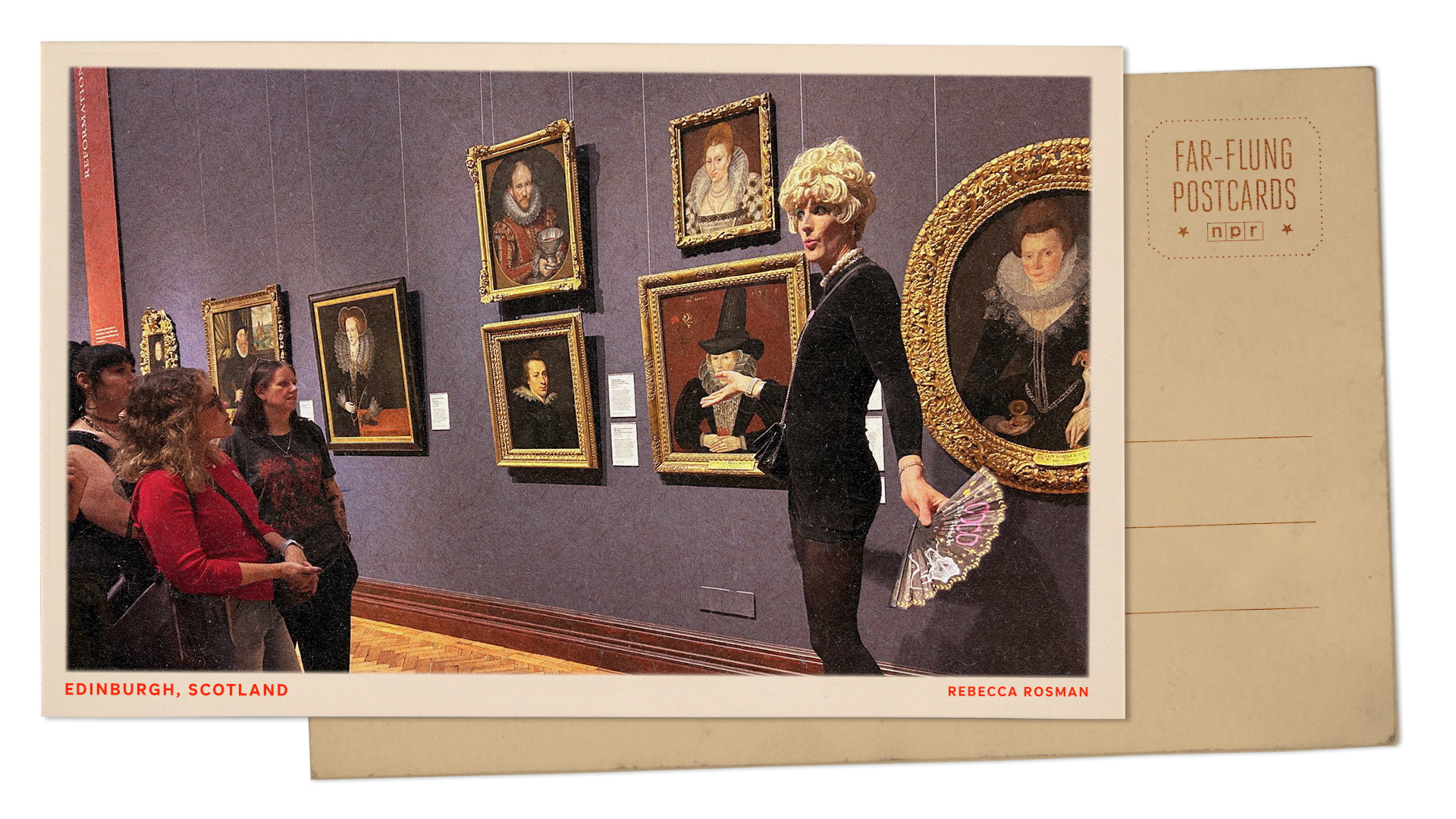
Things work differently in Scotland's capital. People here possess a rare, blistering brand of dark wit that slices right through centuries of high-society pretension. When a local guide stands in front of a centuries-old oil painting and starts roasting the subject's unfortunate wig or questionable life choices, art history stops being a chore. It becomes stand-up comedy with better lighting.
If you've only ever experienced culture through sanitized audio guides or joyless tour buses, you're missing out on how the city actually breathes. Let's fix that. For another look on this event, refer to the recent coverage from Travel + Leisure.
The Problem With Traditional Art Tourism
Museums spent decades convincing the public that culture requires solemn silence. You're supposed to shuffle through rooms like a monk on a penance walk, nodding sagely at things you don't actually understand.
That model is broken. It assumes people want to be lectured rather than engaged.
When you strip away the academic jargon, most historical art is basically high-budget gossip. Renaissance painters were dealing with petty patrons, ridiculous egos, and wild deadlines just like modern freelance designers. Portrait sitters paid top dollar to look thinner, wealthier, and far less greasy than they actually were. Ignoring those human realities in favor of dry dates and provenance lists is a waste of a good story.
Edinburgh’s best storytellers get this. They don't just point at a canvas. They drag the people inside it back to life, warts and all.
Where Edinburgh Breaks the Mold
You can't talk about Edinburgh's cultural scene without acknowledging the sheer density of world-class collections packed into a very walkable, albeit punishingly hilly, medieval footprint.
Take the Scottish National Gallery, sitting right on the Mound between the Old and New Towns. On paper, it's a standard neoclassical temple housing Titian, Rembrandt, and Monet. In reality, it serves as a stunning backdrop for guides who refuse to treat those masterpieces like fragile museum glass. They treat them like windows into a remarkably messy past.
Walk a little further east to the Scottish National Portrait Gallery on Queen Street, and the vibe shifts again. This red sandstone palace features a soaring Gothic interior filled with the faces of Scottish heroes, villains, poets, and scientists. Standing under those vaulted ceilings while someone explains the sheer, unadulterated eccentricity of the nation's historical figures beats scrolling through Wikipedia any day of the week.
Further out, the Scottish National Gallery of Modern Art (split across two grand buildings on Belford Road) tackles twentieth-century and contemporary works with a distinct lack of pretension. Locals love poking fun at abstract sculptures that look like discarded plumbing supplies, and local guides lean right into that skepticism instead of defending it with pompous art-speak.
Why Cheeky Storytelling Beats Academic Lectures
Humor creates stickiness. Psychologists know you remember things better when you laugh.
When a guide points out that a 400-year-old nobleman looks like an angry potato in a lace collar, that image sticks in your brain forever. You remember who painted it, why they painted it, and what was happening in Edinburgh at the time.
Compare that to reading a tiny plaque from three feet away while five other tourists block your view. It's night and day.
Edinburgh thrives on this irreverence. This is a city built on volcanic rock, ghost stories, body snatchers, and a fierce literary tradition that includes writers like Robert Louis Stevenson and Irvine Welsh. Polite conformity has never been a Scottish specialty. Infusing that rebellious spirit into a museum tour isn't just entertaining. It's honest.
Navigating the Capital Like Someone Who Lives Here
If you want to experience Edinburgh's artistic and historic side without falling into the most obvious tourist traps, you need a strategy.
First, ignore the peak summer crush if you can. August brings the Edinburgh Festival Fringe, which is incredible for comedy and theater, but turns the city center into a human pinball machine. If you visit then, expect crowds everywhere. Shoulder season—late spring or early autumn—offers crisp air, dramatic lighting for photography, and galleries you can actually breathe in.
Second, don't limit yourself to the big-name institutions. Check out independent artist-run spaces, small galleries tucked away in Georgian basements in the New Town, and the public art scattered all over the streets.
Third, pair your gallery visits with proper sustenance. Edinburgh's food and drink scene has exploded far beyond haggis and neeps, though a proper pub pie after three hours of walking galleries is still undefeated. Duck into a historic tavern near the Royal Mile or the West End, order something local, and let your brain digest what you've just seen.
What to Do Next
Stop treating vacation itineraries like homework assignments. You don't need to check off every single room in every single museum to have a meaningful trip.
Pick one or two galleries that catch your eye. Look for independent walking tours or museum experiences led by local performers, comedians, or historians who aren't afraid to drop the corporate facade. Support the people who treat history like a living, breathing conversation rather than a museum artifact behind velvet ropes.
Wear comfortable shoes. Bring a waterproof jacket because Scottish weather changes its mind every twelve minutes. Most importantly, keep your sense of humor handy. You're going to need it.