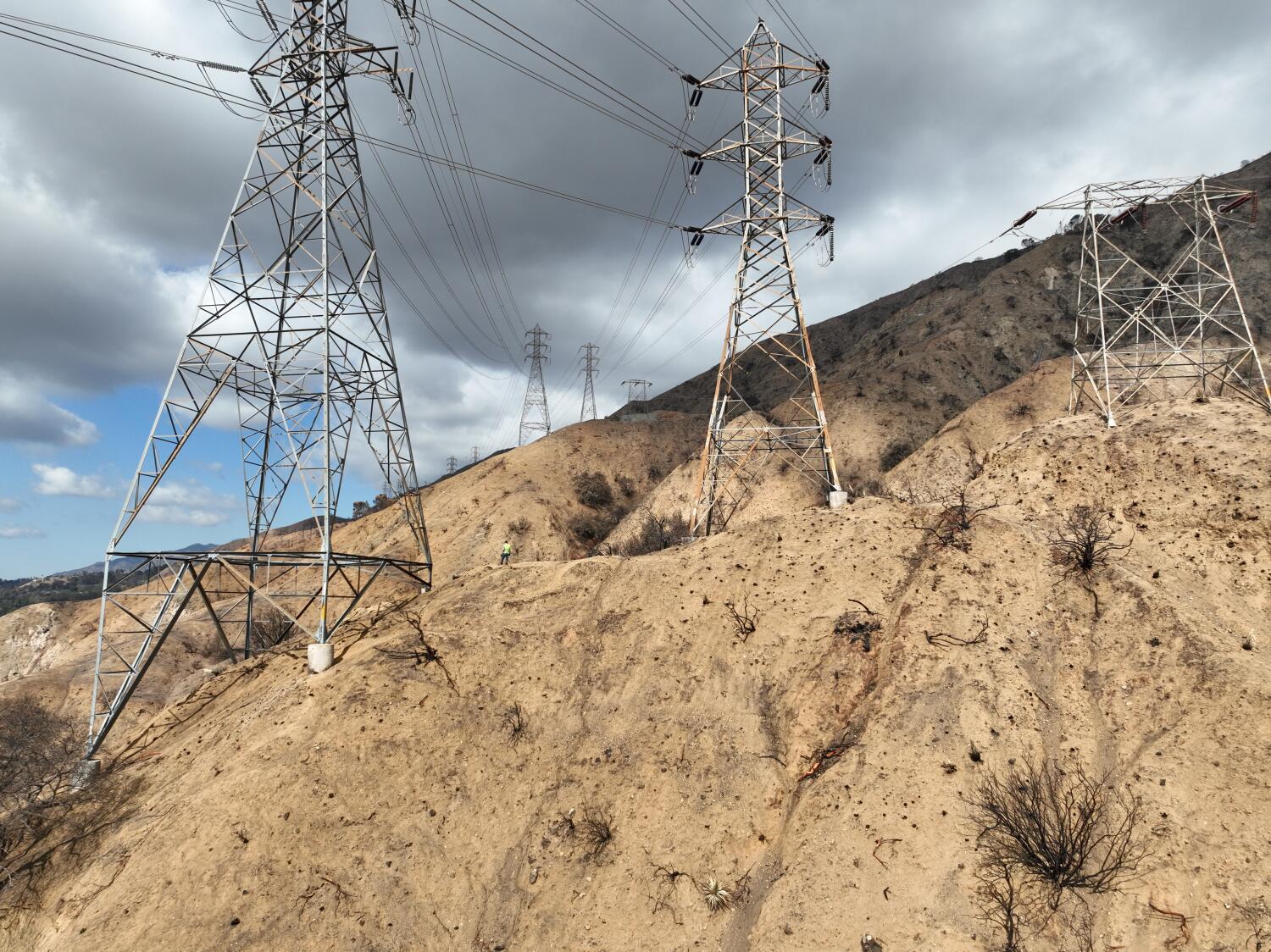
A power line that hasn't carried an official current since 1971 just became the center of one of the most explosive utility lawsuits in California history. It sounds impossible. How does a piece of metal left dead for over half a century spark a wildfire that scorched 22 square miles, destroyed over 9,400 structures, and took 19 lives?
The answers coming out of the Eaton Fire litigation are shaking up the energy sector. Attorneys representing victims and federal prosecutors are pointing directly at Southern California Edison (SCE) and a phenomenon known as electromagnetic induction. Basically, active lines running parallel to a long-abandoned "zombie line" can bleed energy into the dead wire through the air, turning an unmonitored line into a ticking time bomb. Don't forget to check out our earlier post on this related article.
If you think this is just a local legal battle over a tragic January 2025 disaster, you're missing the bigger picture. It changes how utilities across the country have to manage abandoned infrastructure.
The Science of a Dead Line Coming Back to Life
For decades, power companies have left decommissioned transmission lines hanging on towers. The logic was simple. Taking them down costs millions, and since they aren't connected to the grid, they aren't dangerous. If you want more about the background of this, Reuters Business offers an informative summary.
That logic is officially dead.
Lawyers and investigators looking into the Eaton Fire point to a massive oversight in basic physics. When high-voltage transmission lines operate under heavy loads, they create a powerful magnetic field around themselves. If an idle, ungrounded wire sits inside that magnetic field for miles, the field forces electrical current to flow through the dead wire anyway.
Data submitted to the California Public Utilities Commission shows that a fault on the Eagle Rock-Gould 220 kV line caused a surge right when the fire started in Eaton Canyon. That surge likely induced enough voltage in the nearby idle Mesa-Sylmar line to create massive electrical arcing. High winds did the rest, throwing sparks into dry brush.
How Southern California Edison is Pushing Back
SCE isn't sitting back and taking the blame quietly. They face nearly 1,000 lawsuits from victims, insurance companies, and the U.S. Department of Justice, which is suing for $40 million in firefighting and rehabilitation costs.
The utility's legal strategy has completely shifted from defense to a chaotic offense. In recent court filings, SCE turned around and sued Los Angeles County, Pasadena Water and Power, five other local water agencies, and Southern California Gas Company.
Their argument?
- Delayed Warnings: SCE claims LA County failed to send out timely evacuation notices to residents in Altadena, where almost all the fatalities occurred.
- Water Starvation: They allege local water departments didn't supply enough water pressure, leaving field crews completely paralyzed as the fire spread.
- Gas Leak Fuel: They claim SoCalGas took four days to initiate widespread shutoffs, essentially feeding the wildfire with open gas leaks.
It's a classic blame-shifting strategy designed to spread the financial liability. Even if SCE's equipment started the fire, their lawyers want to prove that the catastrophic scale of the disaster was everyone else's fault.
The Massive Policy Shift Happening Right Now
No matter how the lawsuits play out in court, the operational reality for utilities has already changed. Immediately following the fire, SCE quietly updated its internal policies on how idle structures are grounded.
Leaving a line "parked" in the air is no longer acceptable. If you manage infrastructure, the days of ignoring decommissioned assets are over.
Here is what needs to happen to prevent the next zombie line disaster:
- Immediate Mechanical Grounding: Idle lines must be permanently bonded to the ground grid at multiple points to drain any induced voltage immediately.
- Complete Physical Removal: If a transmission circuit is permanently retired, the conductors must be taken down completely, especially in high-wind fire zones.
- Thermal Monitoring Overhaul: Utilities need to deploy drone-based thermal imaging across idle corridors, not just active ones, to catch hidden hotspots before they spark.
The Eaton Fire litigation shows that regulatory loopholes regarding retired infrastructure are an absolute liability. Waiting for a federal lawsuit to force your hand is a losing strategy. Audit your idle lines now, ground them permanently, or pull them down before a stray magnetic field forces you into a courtroom.