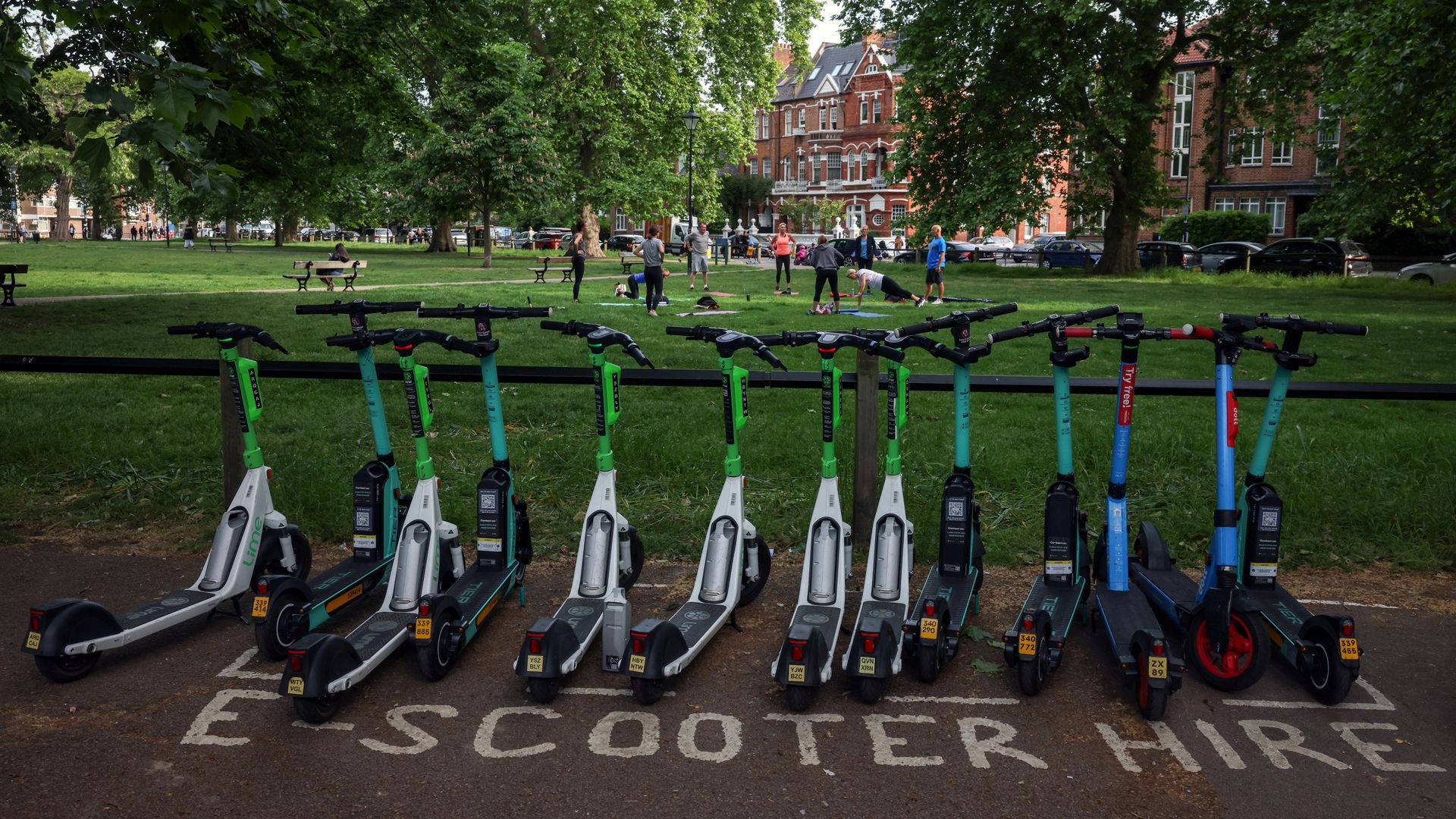
The headlines scream about carnage. Safety advocates clutch their pearls. Statisticians pump out terrifying percentages claiming e-scooters are three times riskier than motorcycles and bicycles combined for traumatic injuries. Every municipal knee-jerk reaction follows the exact same script. Ban the dockless fleets. Slap on mandatory helmets. Restrict speeds to a pathetic crawl.
The entire narrative is built on lazy math, flawed denominator logic, and a profound misunderstanding of urban transit physics.
I have watched cities spend millions of dollars on reactionary bike-lane bureaucracy while completely ignoring the structural flaws in how traffic injury data gets collected, sliced, and weaponized. The panic over e-scooter injuries is not an objective public safety crisis. It is a statistical illusion engineered by people who do not understand risk exposure, modal share, or the anatomy of an emergency room intake form.
Stop treating every scraped knee on a rental scooter as an indictment of micro-mobility. Let us look at what the safety lobby is missing.
The Denominator Problem That Breaks Every Scooter Statistic
When researchers claim e-scooters are exponentially more dangerous than traditional transit options, they commit a foundational statistical sin. They calculate the injury rate per trip or per mile without accounting for who is riding, where they are riding, and what they were doing before they hopped on two small wheels.
Imagine a scenario where an adult male who has not touched a bicycle in fifteen years steps out of a downtown craft brewery at midnight, scans a QR code on a scooter, and rockets down a poorly paved potholed urban corridor wearing zero safety gear.
That user represents a massive spike in baseline risk. Now compare that trip profile to a seasoned commuter who rides a specialized road bike with custom geometry and puncture-resistant tires every single morning along a protected greenway.
Comparing those two experiences under the broad umbrella of personal transit safety is intellectually dishonest.
Traditional bicycle injury data includes millions of children riding in suburban driveways, competitive cyclists training on closed loops, and hardened couriers weaving through heavy traffic. E-scooter data, conversely, is heavily skewed toward casual tourists, intoxicated weekend warriors, and first-time riders operating in hostile urban environments with zero infrastructure.
When you normalize injuries by actual exposure hours and rider experience levels, the risk curve flattens out dramatically. The danger is not the metal deck and the electric motor. The danger is the complete absence of baseline competency among transient users combined with hostile street design built exclusively for heavy SUVs.
The ER Intake Illusion
Let us talk about how emergency room data actually gets generated.
When someone crashes a car, the airbags deploy, an ambulance arrives, police file a crash report, and the incident enters official state transit databases. When someone trips over a curb while walking, they usually just limp home.
E-scooters occupy a bizarre statistical purgatory. Because rental scooters are heavily scrutinized, any injury involving one gets meticulously tagged at the hospital triage desk. If a rider wipes out on a rental scooter, the intake nurse checks the scooter box.
However, thousands of people crash traditional bicycles every day, get back up, dust themselves off, and drive home without ever visiting a clinic or filing an insurance claim. Even when cyclists do end up in the emergency room, the injury is frequently logged as a generic bicycle accident, failing to capture the specific mechanics of the crash.
Furthermore, rental scooter fleets act as a giant neon sign for liability. Municipalities track them. Competitors fund studies to smear them. Insurance companies look for someone to sue. This creates a hyper-reporting loop that inflates the perceived danger of e-scooters relative to every other form of unmotorized movement.
You are not seeing more injuries because the machines are inherently deathtraps. You are seeing more injuries because every single scraped shin on a lime-green deck gets logged into a municipal database, while thousands of pedestrian slip-and-fall incidents and cycling wipeouts vanish into the statistical background noise.
The Infrastructure Gaslighting
Cities love to blame the vehicle because fixing the street is expensive and politically toxic.
When a rider hits a four-inch lip in poorly poured asphalt, loses control, and shatters a collarbone, the city council does not blame the civil engineering failure. They blame the scooter's ten-inch pneumatic tires.
This is structural gaslighting.
Micro-mobility devices require a completely different spatial geometry than automobiles. Small wheels are hyper-sensitive to surface irregularities. A pothole that a Ford F-150 rolls over without the driver blinking can launch an e-scooter rider over the handlebars at fifteen miles per hour.
Instead of admitting that our urban landscapes are hostile, car-supremacist obstacle courses, urban planners treat e-scooters like dangerous foreign invaders. They force riders onto cracked sidewalks where pedestrians become moving bowling pins, or they throw them into high-speed arterial lanes next to distracted drivers texting in two-ton steel boxes.
Then, when the inevitable collision occurs, they point to the wreckage and declare that electric scooters are three times riskier than traditional transit.
It is like blaming the shoes for a runner tripping over an open manhole cover.
Unconventional Solutions That Actually Work
If we want to reduce traumatic injuries associated with micro-mobility, we can stop relying on lazy bans and paternalistic helmet laws that kill ridership numbers without solving root causes.
Here is what actually moves the needle:
- Mandatory Protected Lane Integration: Stop arguing about whether scooters belong on sidewalks or streets. They belong in protected micro-mobility corridors separated by concrete physical barriers from vehicular traffic. Period.
- Dynamic Geofencing Over Speed Caps: Instead of capping all scooters at a frustratingly slow twelve miles per hour everywhere, use real-time telematics to slow them down automatically only when entering congested pedestrian plazas, while letting them flow safely on designated corridors.
- Infrastructure Audit Protocols: Require cities to inspect and repair street surface defects along designated micro-mobility routes with the same urgency they apply to arterial highways.
- Gamified Safety Education: Stop treating safety onboarding like a legal terms-of-service agreement nobody reads. Integrate short, interactive training components directly into the rental app workflow before unlocking the throttle for the first time.
The moral panic over e-scooters is just the latest chapter in a long, predictable history of society rejecting new physics on public pavement. When bicycles first surged in popularity during the late nineteenth century, moralists claimed they caused literal brain disorders and moral decay.
We survived the bicycle. We will survive the electric scooter.
Stop regulating the machine. Fix the street.
Get off the sidewalk. Build better lanes. Stop whining about the stats and start looking at the asphalt.