Two people are dead in the Russian capital, casualties of a dawn Ukrainian drone strike that pierced the security perimeter of Moscow. Russian officials confirmed the fatalities following the impact, shifting the psychological geography of an ongoing conflict that the Kremlin has long tried to keep distant from the daily lives of everyday urban citizens. For months, state television broadcasted distant explosions and abstract frontline advances as distant theater. Now, the wreckage rests on asphalt barely an hour's drive from the Kremlin walls.
This incident is not an isolated tactical anomaly. It represents a calculated escalation in a war of attrition where the physical boundaries of the battleground are dissolving. When long-range unmanned aerial systems strike high-density residential zones, the objective extends beyond immediate structural damage. The intent is to fracture the domestic illusion of normalcy.
The Evolution of Asymmetric Reach
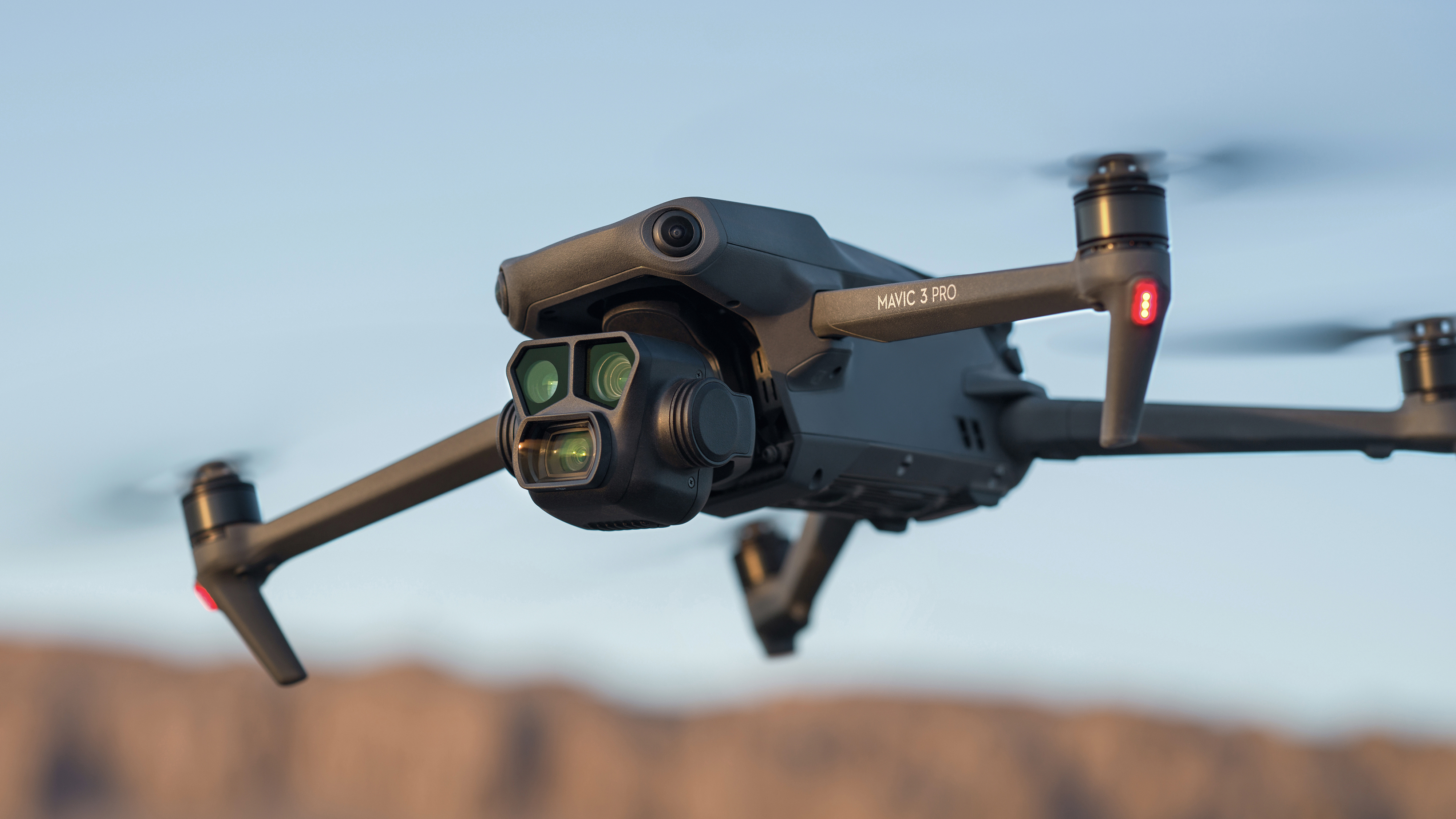
To understand how a strike of this magnitude reached the heart of Moscow, one must examine the rapid maturation of uncrewed aerial technology over the past three years. What began as modified commercial quadcopters dropping small munitions on frontline trenches has transformed into a sophisticated domestic defense and strike industry. Both sides have weaponized low-cost electronics, leveraging civilian carbon-fiber frames, commercial GPS modules, and makeshift propulsion units to manufacture long-range loitering munitions at a fraction of traditional cruise missile costs.
Building a platform capable of traveling hundreds of miles requires neither advanced aerospace infrastructure nor state-of-the-art stealth coatings. It requires basic waypoint navigation software, an inertial backup system to counter localized electronic jamming, and a payload sufficient to cause catastrophic secondary detonations.
Russian air defense networks, historically optimized to intercept heavy strategic bombers, tactical ballistic missiles, and high-altitude cruise missiles, face a severe geometry problem. Low-flying, slow-moving uncrewed systems possess a minimal radar cross-section. Ground-based radar operators deal with severe ground clutter in major metropolitan areas, where skyscrapers, industrial parks, and dense communications networks create a chaotic radio frequency environment. Detecting a small carbon-fiber craft skimming rooftops at low altitude is akin to finding a falling leaf in a hurricane.
The Domestic Psychological Calculus
The political fallout inside Russia matters far more than the immediate repair costs of shattered glass or scorched facades. For years, the official narrative maintained that the special military operation remained confined to specific regional zones far to the west and south. Muscovites could sip espresso in upscale cafes, ride the Metro, and pretend the economy and society were insulated from the brutal realities of modern mechanized warfare.
When debris falls on city streets, that insulation frays.
State media response follows a predictable choreography. Authorities immediately emphasize the effectiveness of air defense systems, claiming that the vast majority of incoming threats are neutralized before reaching their targets. Simultaneously, investigators seal off affected neighborhoods, detaining bystanders who capture video footage on their smartphones. Controlling the visual narrative is just as important as intercepting the hardware itself.
Yet, digital networks render total information containment impossible. Telegram channels and independent local groups disseminate unfiltered footage within minutes. Residents living in high-rise apartment complexes look out their windows at smoking rooftops, processing a reality that contradicts the nightly evening news broadcast.
Electronic Warfare and the Skies of the Capital
Protecting a sprawling metropolis spanning hundreds of square kilometers is an impossible logistical puzzle. Air defense batteries cannot be positioned on every street corner without paralyzing civilian life. Instead, security planners rely on electronic warfare units designed to spoof navigation signals, forcing incoming devices to drift off course or crash into open fields.
This defensive posture carries its own hazards. Spoofing signals over a densely populated civilian center means that an unguided drone, its guidance corrupted by radio frequency interference, can descend unpredictably onto a hospital, a school, or a busy commuter thoroughfare. The defensive countermeasure itself becomes a secondary vector of risk.
As long-range strike capabilities continue to improve, the airspace above major urban centers will remain contested. The two fatalities in Moscow mark another grim milestone in a conflict where technical innovation consistently outpaces defensive infrastructure, ensuring that the war remains present at the doorstep of every citizen.


