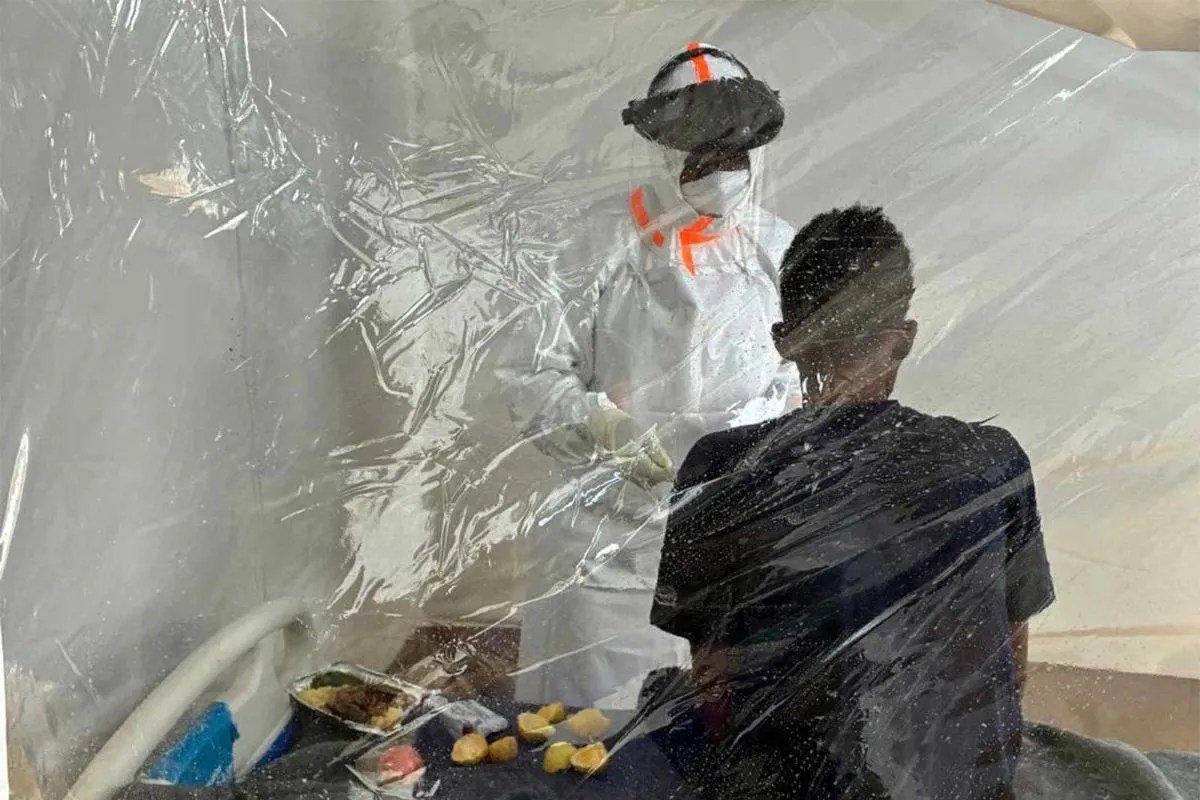
More than 10,000 confirmed Ebola cases in the Democratic Republic of the Congo (DRC) didn't happen overnight, yet the speed still stunned global health teams. Crossing that mark in just 163 days—51 days faster than the 2014–2016 West Africa epidemic—this 17th recorded DRC outbreak has shattered grim historical benchmarks. By mid-November 2026, totals had climbed past 11,000 cases and over 5,400 deaths across 67 health zones in eight provinces, while imported cases and local clusters popped up in neighboring countries like Uganda and Kenya.
If you're looking at headlines like डीआर कांगो में नहीं थम रहा इबोला, 10,000 पार हुए मामले and wondering how a virus we already know how to fight got this far out of hand, the short answer is that medical tools alone don't stop an outbreak when trust, security, and funding break down at the same time. Vaccines and treatments exist, sure. Still, a virus moves faster than bureaucracy, especially in active conflict zones where families have nowhere safe to turn. In other developments, we also covered: The Food Processing Spectrum Why Binary Nutrition Labels Fail.
A Pace That Outran Every Prior Outbreak
Numbers tell a brutal story here. During its first three months, the outbreak averaged roughly 90 confirmed cases a day, far outstripping the early trajectory of both the 2014–2016 West Africa epidemic and the 2018–2020 eastern DRC outbreak. At the day-163 mark where the 2026 surge passed 10,000 cases, West Africa had recorded 3,685 cases and the 2018–2020 DRC outbreak sat around 635 before eventually ending with 3,481.
That difference matters because early containment is everything with filoviruses. When cases double and redouble before contact tracers can catch up, every missed exposure seeds another chain of transmission. Health agencies note that fewer than one in four newly diagnosed patients in this wave have emerged from registered contact lists, and roughly a third of deaths happen outside treatment centers among people who were never tested. CDC has also covered this fascinating topic in great detail.
Children are bearing a heartbreaking share of the toll. According to World Health Organization (WHO) briefings and joint response data, minors account for more than a quarter of confirmed cases and around a third of deaths, with case fatality among children under five hovering near 70% to 72%. Honestly, seeing survival odds that grim for toddlers and infants changes how you read every daily tally.
Why Bundibugyo Virus and Conflict Make Containment Harder
Unlike many past DRC outbreaks driven by Zaire ebolavirus, testing confirmed this surge is caused by the Bundibugyo virus (Orthoebolavirus bundibugyoense). That distinction isn't trivia for virologists—it shapes diagnostics, vaccine matching, and clinical expectations.
From hands-on outbreak work, the hardest part isn't usually lab science; it's the friction on the ground. In eastern Congo, armed conflict, displacement, and hunger collide with public health logistics. When clinics are hard to reach or caught near fighting, people delay care. When symptoms start with fever, fatigue, and body aches—things that look like malaria or common infections at first—families often try local remedies first.
Mistrust is another massive hurdle. Community skepticism toward outside response teams doesn't come out of nowhere when regions have endured years of instability, broken promises, and violence. If people fear isolation centers or feel excluded from decisions about burials and care, sick relatives stay hidden, and transmission keeps quietly ticking upward.
What People Get Wrong About Borders, Vaccines, and Risk
Let's clear up a few misconceptions that tend to swirl whenever case counts hit five digits.
First, a big outbreak in DRC doesn't mean imminent danger everywhere else. The CDC Ebola Outbreak Situation Summary notes no U.S. cases tied to this outbreak and keeps overall risk to the American public and travelers low. Cross-border spread in East and Central Africa is a real concern—Kenya has reported nine cases with two deaths linked to an imported case, Nigeria has reported one imported case, and Uganda recorded 21 confirmed and probable cases with three deaths—yet rapid border screening and isolation can still choke off secondary chains when caught early.
Second, blanket travel bans usually backfire. The UN News report on the WHO Emergency Committee highlights WHO Director-General Tedros Adhanom Ghebreyesus's warning that sweeping travel restrictions hurt response efforts and discourage countries from reporting outbreaks transparently. Targeted public health measures work way better than panic-driven shutoffs that strand medical supplies and personnel.
Third, having countermeasures isn't the same as getting them into arms and clinics. Even when vaccines, therapeutics, and funding exist on paper, gaps in accountability, logistics, and local buy-in slow execution. Reports from ReliefWeb and Save the Children underscore that humanitarian appeals face steep shortfalls while orphans, out-of-school kids, and affected families need sustained support—not just emergency surge teams that vanish when headlines fade.
What Actually Works When Trust Is Low
I've seen plenty of top-down health campaigns look brilliant on slide decks and stall out in real neighborhoods. You can't lecture a grieving community into compliance from a loudspeaker or a checkpoint.
What actually moves the needle is local partnership and two-way communication. During the 2018–2020 DRC outbreak, community information centers run with local organizations in Butembo and Katwa gave residents a place to ask blunt questions and talk directly with response teams—helping reported confidence climb from 18% in June 2019 to 91% by April 2020.
That kind of trust isn't a "soft" add-on. It's the difference between families calling a hotline early versus hiding symptoms until it's too late. Safe and dignified burial practices, transparent data sharing, and paying local health workers reliably are just as critical as cold-chain equipment.
Practical Steps You Can Take Right Now
If you're tracking this crisis as a reader, traveler, donor, or health worker, focus on high-signal actions rather than doomscrolling:
- Follow primary epidemiological updates: Check the CDC Ebola Outbreak Situation Summary and UN News for verified case counts, affected health zones, and travel guidance rather than unverified social media claims.
- Vet humanitarian organizations carefully: If you plan to donate, look for groups with established local partnerships in eastern DRC, clear financial reporting, and support for both outbreak response and child protection or survivor assistance.
- Watch early symptoms after high-risk travel: If you're returning from an affected area or caring for someone who was, monitor for fever, severe headache, muscle pain, vomiting, or unexplained bleeding for 21 days, and call a healthcare provider ahead of time so isolation protocols can be arranged safely.
- Push for sustained funding, not short bursts: Outbreaks fueled by conflict and poverty don't resolve in a single funding cycle; long-term primary care and community health systems are what stop the next spark from becoming a wildfire.