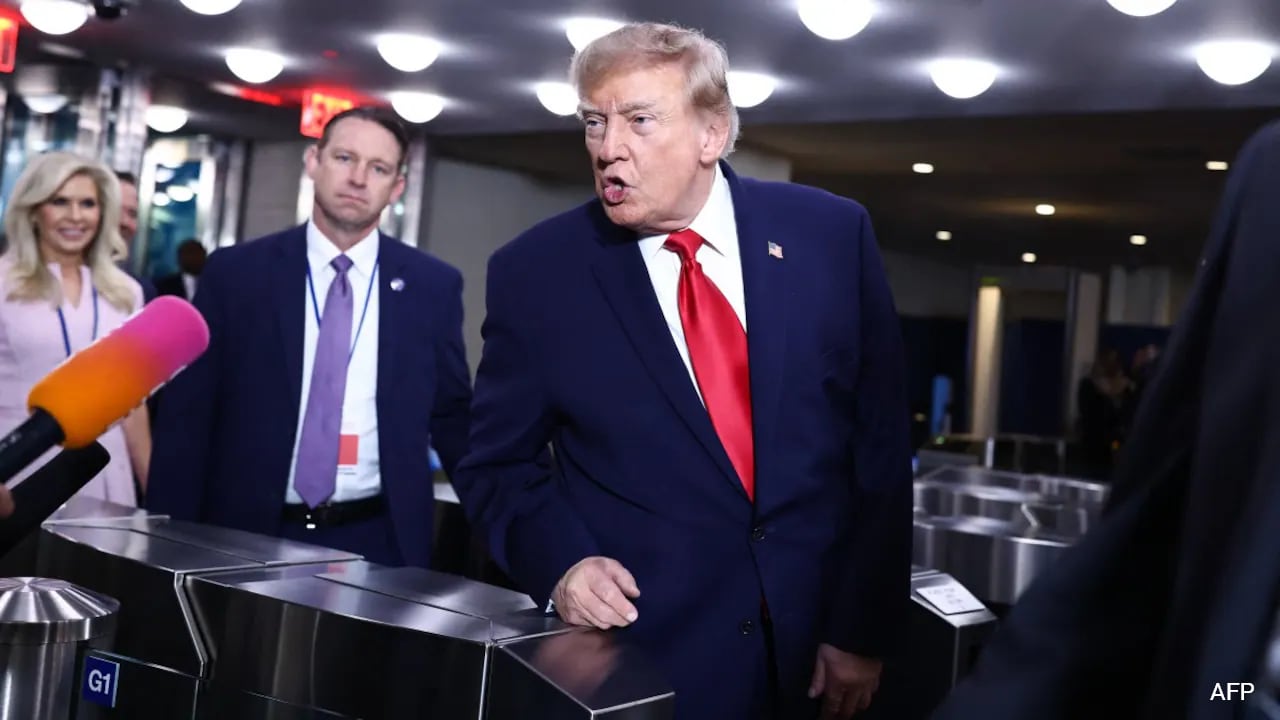
The tension between the White House and the press corps reached a surreal boiling point on the global stage when Donald Trump locked eyes with CNN anchor Kaitlan Collins at the United Nations General Assembly. Walking into the international headquarters, the president didn't bother with diplomatic pleasantries. Instead, he zeroed in on the journalist and delivered a blunt declaration: "You should not be here covering me".
This high-profile standoff didn't happen in a vacuum. Days prior, the administration barred CNN, alongside MS NOW and Politico, from White House grounds, stripping them of standard pool duties. Trump claimed the network previously stated they weren't going to cover him anymore—a premise Collins quickly corrected, noting that CNN was credentialed directly by the United Nations to report on the global assembly.
The Battle Over Press Access
For years, White House press access has operated as a tightly controlled privilege managed executive-by-executive. But this particular clash highlights an escalating fracture between political administrations and major media institutions. Trump defended the ban by arguing he has a right to clean out what he labels "fake news", pointing to coverage he deems purposely negative.
Media analysts and legal experts immediately recognized the gravity of the situation. While executive grounds are subject to administration rules, international venues like the UN operate under independent accreditation. When a domestic political dispute spills onto international turf, it exposes deep questions about freedom of the press and the changing dynamics of political communication.
Why This Clash Matters for the Future of Media
The friction at the UN general assembly goes beyond a quick verbal sparring match on camera. Networks responded swiftly to the initial White House restrictions, with legal challenges filed to restore access for banned outlets. Courts have since stepped in to weigh whether executive turf can be cordoned off based on editorial content.
As political campaigns and administrations bypass traditional press pools entirely through direct-to-consumer digital platforms, confrontations like the one in New York show that reporters are still willing to press for answers face-to-face. Whether these legal battles permanently reshape White House press access or simply harden existing partisan lines remains to be seen, but the baseline rules of engagement between leaders and journalists are shifting fast.
Kaitlan Collins - Focusing on Reporting, Not Trump's Insults | The Daily Show
This clip provides further context on how journalists navigate direct verbal clashes with political figures during major news events.


