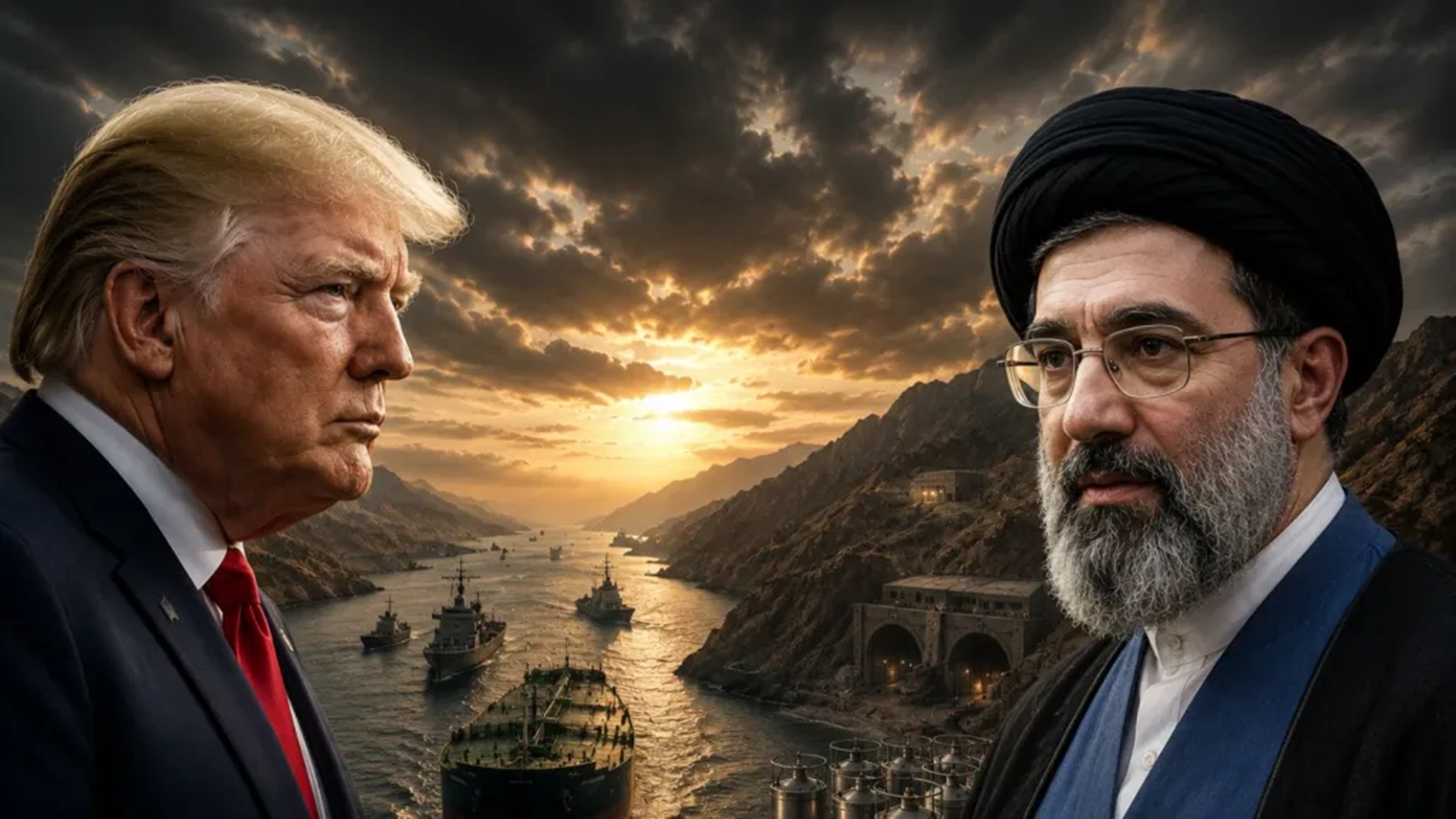
Donald Trump isn't playing traditional diplomatic games when it comes to Tehran. Instead of relying on drawn-out negotiations or conventional foreign policy playbooks, the administration is leaning heavily on a blunt ultimatum: make a deal or face complete economic strangulation. It's a high-stakes standoff that has completely redefined Washington's approach to the Middle East, swapping endless military interventions for aggressive financial leverage.
If you look past the daily headlines of shifting rhetoric, a clear strategy emerges. The White House has pivoted toward a "no-war, no-talks" holding pattern, betting that crushing sanctions and naval blockades will do the heavy lifting. Trump's core argument is simple. Why spend trillions on boots on the ground when you can squeeze a nation's financial lifeblood until its leadership has no other choice?
The Mechanics of Maximum Pressure
The math behind Washington's pressure campaign is brutal. Iran's economy has faced severe inflation and tumbling currency values, driven largely by targeted sanctions and strict enforcement around critical trade corridors like the Strait of Hormuz. Administration officials, including Secretary of State Marco Rubio, have openly argued that the financial pain inflicted on the regime is so intense that traditional military strikes become secondary.
At the same time, Trump keeps alternative options open. While signaling that fresh military escalations are unnecessary if Tehran complies, he frequently reminds regional leaders that the U.S. military remains primed to act if negotiations completely stall. It's a calculated mix of deterrence and financial warfare designed to keep the opposing side off-balance.
Why Traditional Diplomacy Keeps Stalling
Negotiating with Tehran has never been straightforward, but the current political landscape makes any lasting breakthrough exceptionally difficult. Domestically, political shifts in Washington—including congressional friction following midterm results—add layers of scrutiny to any foreign endeavor. Lawmakers on both sides are increasingly vocal about the long-term costs of prolonged foreign entanglements.
Meanwhile, Iranian leadership faces a tough choice. Accepting a strict U.S.-led agreement looks like capitulation at home, yet rejecting it accelerates domestic economic collapse. This dynamic creates a stubborn deadlock where neither side wants to blink first. Tehran frequently dismisses American warnings as bluster, vowing to weather the financial storm, even as trade partners face secondary pressures from Washington.
What Happens Next on the Global Stage
Trump's focus is shifting toward broader international summits, where relationships with global powers like China and Russia intersect with Middle Eastern policy. How Beijing and Moscow navigate U.S. secondary sanctions will heavily influence whether Tehran's economy can find a lifeline or finally buckle.
The reality on the ground remains tense. Whether this strategy ultimately forces a breakthrough deal or hardens regional divisions into a permanent standoff depends entirely on how much more financial strain the Iranian regime can absorb before the pressure forces a change in course.