Donald Trump recently shared a video on Truth Social claiming that Kharg Island, Iran's vital oil export hub, had been blown to smithereens. There was just one tiny problem. The clip was entirely generated by artificial intelligence, and the island was completely fine.
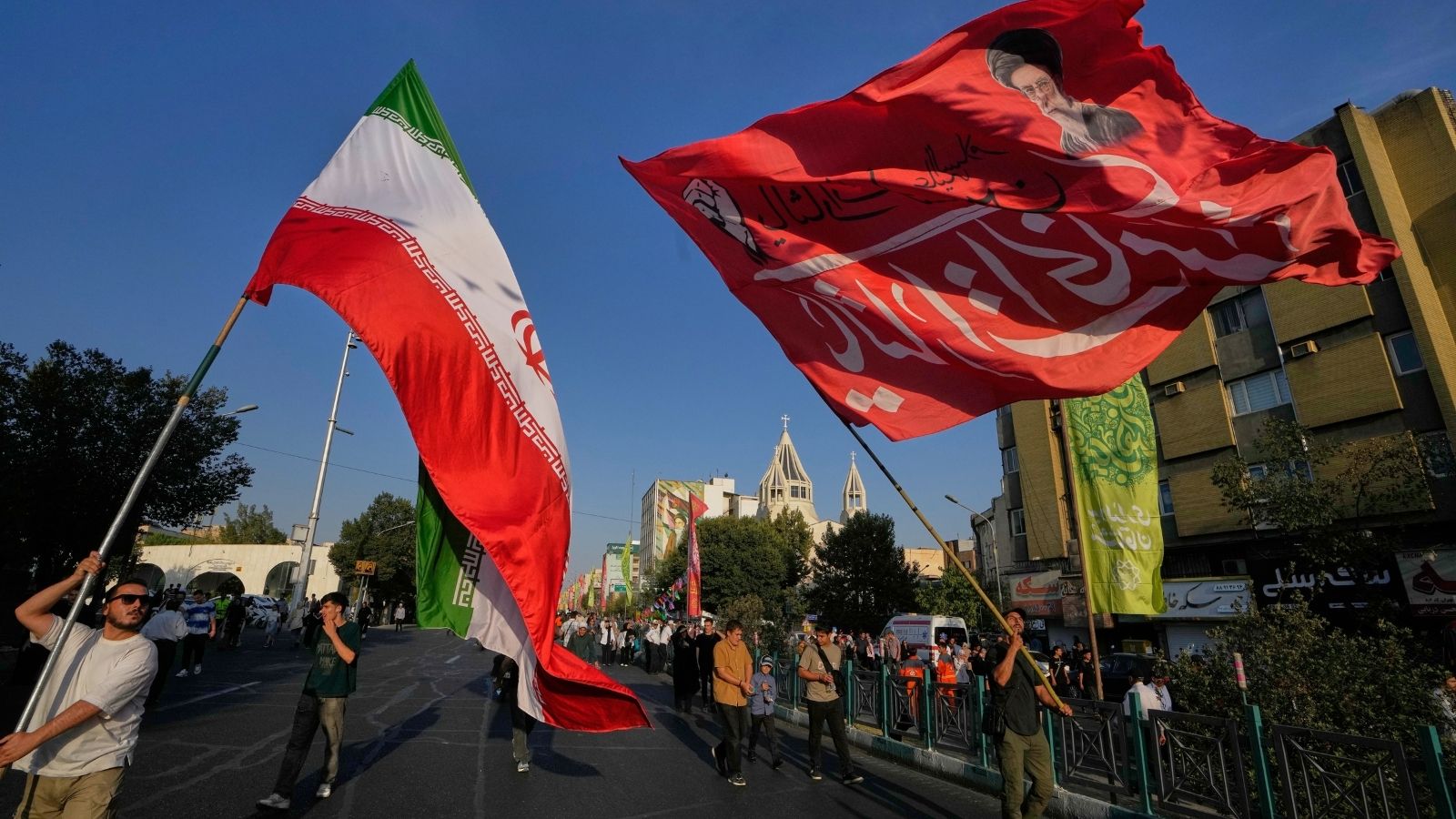
When world leaders start posting deepfakes to simulate military victories, reality gets messy fast. Tehran didn't panic. Instead, Iranian officials laughed it off, pointing out that workers on the ground were actually just busy fixing minor wear and tear rather than dodging missiles. In similar news, read about: Inside the Bishkek Huddle Why the Putin Xi and Modi Equation Defines the New Global Order.
The Reality Behind the Digital Smoke
Let's look at what actually happened. The digital stunt didn't materialize out of nowhere. It followed a real flare-up of hostilities between Washington and Tehran. U.S. forces struck two Iranian missile launchers on Larak Island, sitting roughly 660 kilometers east of Kharg, citing an imminent threat to shipping lanes in the Strait of Hormuz.
Instead of letting the localized military action speak for itself, online posturing took over. Trump posted the synthetic footage with a caption celebrating the destruction of the energy terminal. Open-source intelligence teams and media verification units quickly ran the footage through detection software. The verdict arrived instantly. The explosions were fake, stitched together by generative software designed to look cinematic rather than accurate. The Guardian has also covered this fascinating subject in extensive detail.
Hamid Bovard, chief executive of the National Iranian Oil Company, didn't mince words when addressing the stunt. He called the claims laughable and stressed that operations on Kharg Island—which normally handles about 90% of Iran's oil exports—were continuing without disruption.
Why Kharg Island Matters So Much
You might wonder why everyone cares so much about this specific patch of land. Kharg Island isn't just another industrial port. It is the jugular vein of the Iranian economy. Cut off Kharg, and you effectively choke off the vast majority of Tehran's petroleum revenue.
Because of this strategic weight, it sits at the center of every threat profile during U.S.-Iran escalations. Threatening it online moves markets instantly. Crude prices ticked upward by nearly two percent following the weekend exchanges, proving that traders react to digital panic just as quickly as physical supply shocks.
Yet, relying on synthetic media to signal strength creates a dangerous feedback loop. When leaders broadcast fictional battle scenes, they blur the line between actual deterrence and internet bluster. Tehran used the fake video to paint Washington as detached from reality, weaponizing the blunder for its own propaganda win.
Navigating the Era of Synthetic Geopolitics
We are living through a weird window where digital fabrication mixes directly with high-stakes foreign policy. Expect more of this. When political figures bypass traditional intelligence briefings to drop viral video edits directly onto social feeds, verification becomes the hardest job in journalism.
If you want to stay sane while tracking international conflicts, ignore the flashy clips posted without context. Look at the shipping data. Check the local reports. Watch what markets actually do instead of what accounts post. Truth usually moves much slower than a viral video, but it's the only metric that matters when real oil is on the line.
US Bombs Blow Up Iran's 'Kharg Island To Smithereens'? Trump Shares Explosive AI Video After Strikes
This video details the escalation surrounding the disputed claims over Kharg Island and the surrounding military actions in the Strait of Hormuz.