You can tell a lot about a leader by what they try to rename. For Donald Trump, official geography has turned into a canvas for political theatre.
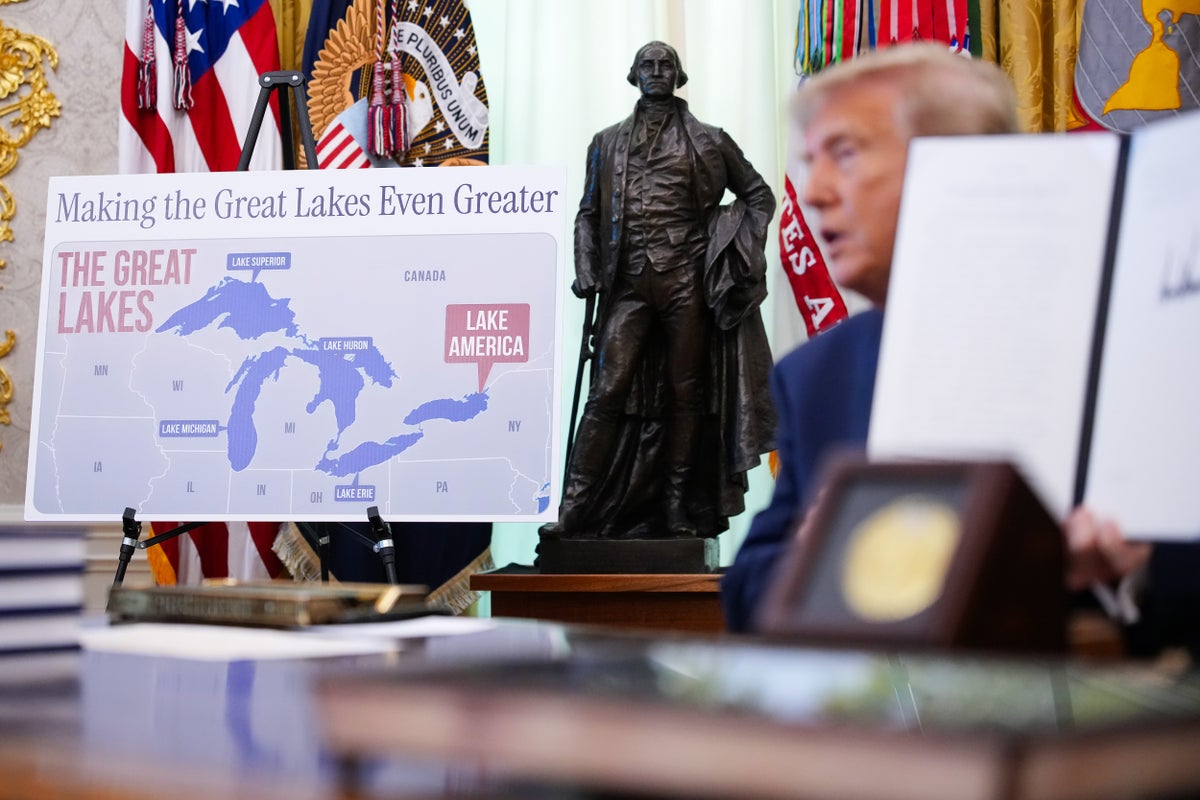
It started with a stroke of a pen on executive orders. First came the Gulf of Mexico, targeted to become the Gulf of America. Then trade tensions with Canada flared up, and Lake Ontario quickly morphed into Lake America in federal databases. Major tech giants like Google and Apple eventually updated their digital apps for domestic users, turning a fringe bureaucratic decree into a visible reality on millions of smartphones. But the naming obsession didn't stop at international waters or shared natural borders. Meanwhile, you can find similar stories here: Stop Blaming Bad Roads Every Time a Mountain Bus Plunges.
A recent social media post featured a striking visual: the word "Mexico" crossed out inside the state name New Mexico, replaced simply with "America" to suggest a "New America".
Why Geography Is Becoming a Political Battleground
This isn't just about random rebranding or internet trolling. It's a calculated strategy designed to dominate headlines and project unilateral authority. When you change the name of a place, you assert ownership over its identity. To understand the bigger picture, we recommend the recent analysis by TIME.
Critics call it childish map-altering. Supporters view it as the ultimate expression of America First nationalism. History shows that geographic names carry immense cultural weight, which is precisely why these alterations provoke such fierce resistance. Indigenous groups, local historians, and neighboring countries like Mexico and Canada naturally push back against unilateral renamings that erase centuries of heritage.
Take New Mexico, for example. The region entered the United States following the Mexican-American War and the Treaty of Guadalupe Hidalgo in 1848. Its name reflects a complex, centuries-old tapestry of indigenous, Spanish, and Mexican influences. Slapdash digital edits ignore that history entirely.
The Tech Complicity Problem
None of these presidential renamings would matter much if they stayed confined to dusty government binders. Executive orders only legally bind federal agencies.
The real shift happens when private corporations fold. When mapping monopolies adjust their software to appease political pressure, they legitimize what starts as a stunt. MapQuest recently found unexpected fame—and a massive surge in app downloads—simply by refusing to play along with the Lake Ontario rebrand. They kept the traditional name and won over users tired of corporate compliance.
The line between official government propaganda and consumer tech products is blurring fast. As long as altering maps yields free media attention and rattles political opponents, the trend won't slow down. Expect more states, landmarks, and international borders to enter the crosshairs whenever a new grievance arises.
Check out What Trump's 'Lake America' renaming actually changes to understand the administrative mechanics behind these unusual executive orders.
http://googleusercontent.com/youtube_content/1