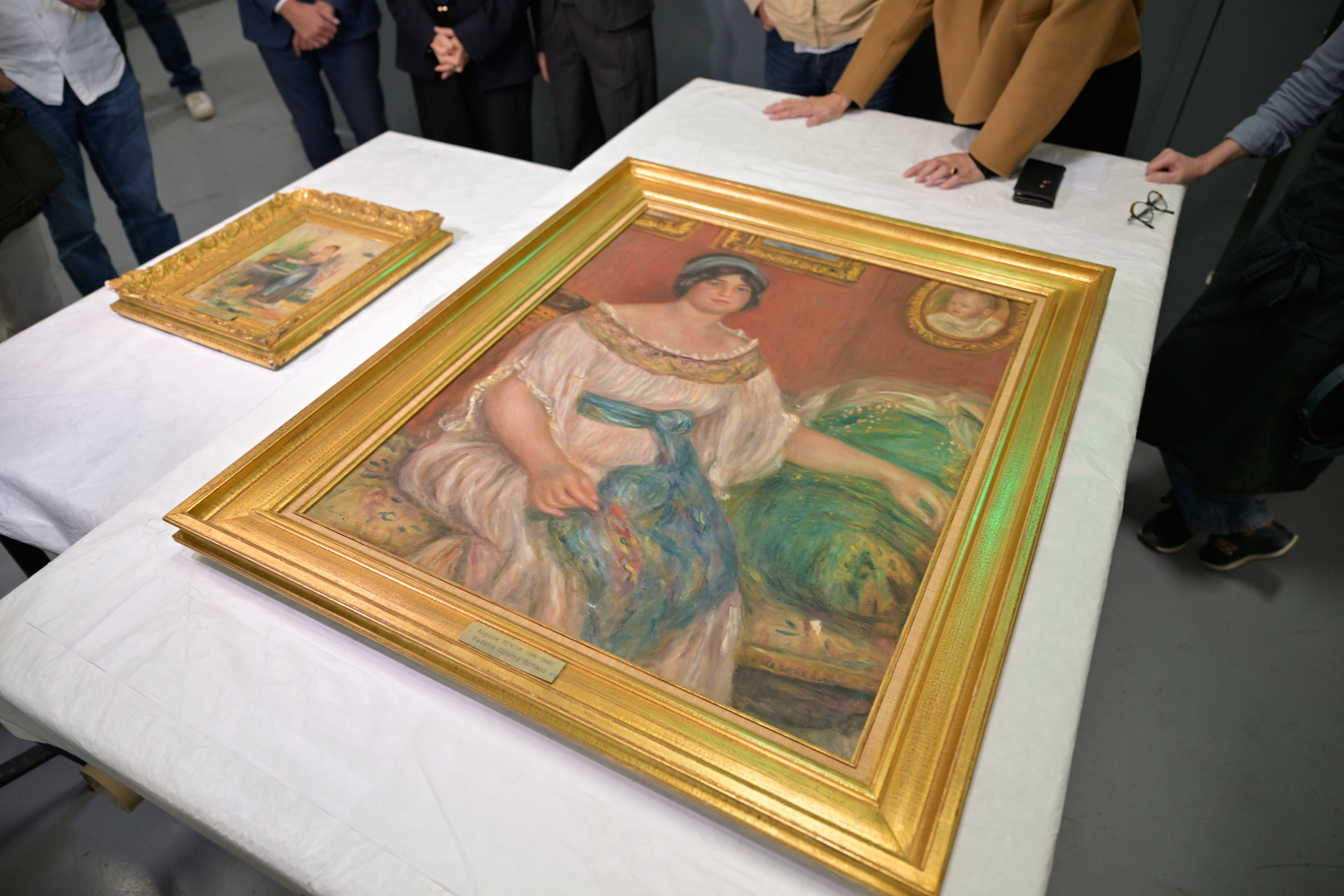
The media is popping champagne over a headline claiming French investigators used forensic DNA and high-tech vehicle tracking to recover a couple of stolen Renoirs. Law enforcement agencies love this narrative. It makes them look like high-tech wizards operating at the intersection of CSI and James Bond, turning crime-solving into a slick, gadget-driven triumph.
It is a fairy tale.
Buying into the comforting illusion that advanced forensics and asset-tagging will stamp out art theft ignores how the black market actually operates. I have spent years watching high-end syndicates treat museum-grade security and modern tracking as minor speed bumps. Relying on genetic traces and GPS beacons to protect cultural heritage is like installing a screen door on a submarine and expecting it to stop a torpedo.
The Fallacy of the Forensic Breakthrough
Let us dismantle the lazy consensus. The narrative surrounding the Renoir recovery implies that DNA profiling and vehicle telemetry are shifting the balance of power toward the cops. They are not.
Forensic science only works if you catch the amateur. Professional art thieves do not sweat into the canvas. They wear gloves, masks, and full-body biohazard suits if the job requires it. When a crew lifts a multimillion-dollar masterpiece, they are not leaving behind hair follicles or skin cells for investigators to match against a national database. If DNA was found at a high-value art heist scene, you are looking at a rookie mistake by an amateur crew that stumbled into a masterpiece they had no business touching.
Real art theft is rarely an Ocean's Eleven flair-up. It is a slow, methodical game of extortion, ransom negotiations, and quiet backroom collateral exchanges. The canvas is cut from its frame in under two minutes, rolled into a heavy-duty plastic tube, and tucked away in a damp basement or an abandoned industrial park warehouse where GPS signals go to die.
Vehicle tracking? Please. Sophisticated operators do not drive their getaway cars straight to a chop shop with an active tracking beacon glowing on a dashboard map. They use Faraday bags, signal jammers bought off the dark web for a hundred bucks, or simply transfer the loot to a completely unrelated vehicle three blocks away while the cops are still staring at a decoy van speeding down the ring road.
Follow the Money, Not the Paint
The fundamental flaw in modern art recovery reporting is the obsession with the object itself. Investigators focus on the canvas, the frame, the chemical composition of the oil paint, and the microscopic trace evidence left behind.
They are solving the wrong puzzle.
Masterpieces like Renoirs do not get stolen because someone wants to stare at them in a private bunker. They get stolen because criminal cartels use them as alternative currency. In the underground economy, a stolen painting acts as a bearer bond. It moves between drug syndicates, arms dealers, and money launderers as collateral. A cartel boss in South America or a syndicate leader in Eastern Europe does not care about the provenance; they care that the object holds millions in value and can be leveraged to secure a shipment of cocaine or automated weapons without triggering a wire transfer flagged by Interpol.
When you treat art theft as a property crime, you fail. It is a liquidity and currency problem. The moment a painting vanishes, its market value drops to zero in the legitimate world, but its shadow value skyrockets in the underworld. Throwing more DNA kits and GPS trackers at the problem is like trying to stop inflation by printing more money.
The Real Security Flank
If technology is not saving our heritage, what is?
Insiders. That is the dirty secret of museum and gallery security. The vast majority of high-profile heists involve internal collusion. A disgruntled night guard, a compromised registrar, or an IT contractor with access to camera blind spots sets the stage. No amount of genetic tracking on a stolen frame will protect a painting if the person holding the master key was paid off in bitcoin six months prior.
Security budgets are currently being wasted on shiny tech toys that look great in annual reports to government boards. Millions are funneled into biometric scanners and smart tags while background checks on low-wage staff remain an afterthought.
The next time you read about a miraculous recovery fueled by forensic science, look past the PR fluff. Chances are, the thieves got sloppy, got greedy, or tried to ransom the painting back to an insurance company through a sloppy intermediary. The tech did not catch them. Human error did.
Stop waiting for a silicon chip or a genetic match to clean up a corrupt market. Until we secure the human element and choke off the underground financial networks that treat culture as collateral, masterpieces will keep walking out the back door.