A landmine goes off inside the Demilitarized Zone, three South Korean troops get hurt, and suddenly two rival capitals are trading sharp letters at the United Nations Security Council. That isn't just routine diplomatic posturing. It's a warning sign that the thin buffer separating North and South Korea is getting more volatile by the month.
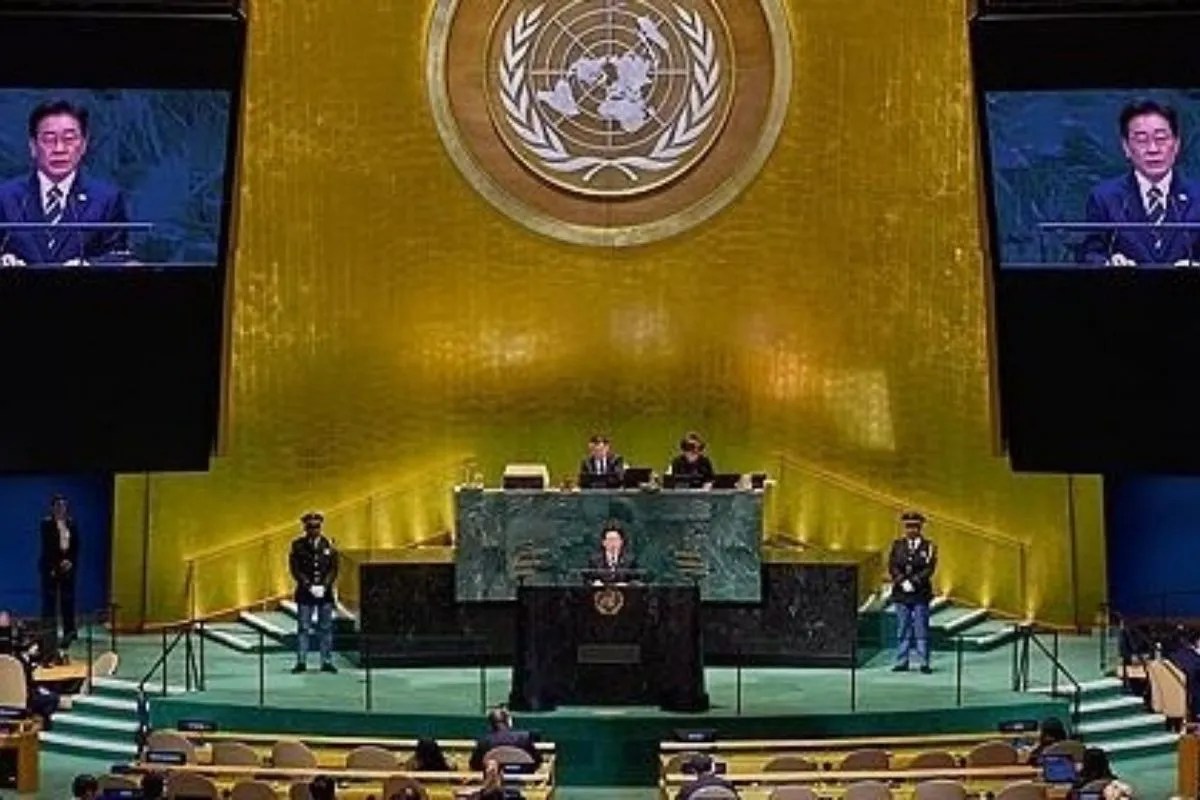
When South Korea took its case over the September 21, 2026 DMZ explosion to the UN Security Council in late October, Seoul blamed a North Korean-planted mine and accused Pyongyang of violating the Korean Armistice Agreement. North Korea fired back days later, calling the blast a South Korean fabrication meant to block North Korean border fortification work and warning of self-defense measures. Both sides are fighting over the narrative just as hard as they're guarding the line.
Honestly, a surface-level news brief misses the real story here. A single mine blast on a heavily fortified frontier doesn't happen in a vacuum, and sending a two-page letter to the UNSC president—who was Greek Ambassador Aglaia Balta during Greece's rotating presidency—rarely forces Pyongyang to back down. What actually matters is how physical fortification along the DMZ, quiet backchannel talks, and public blame games are colliding right now.
What Happened Inside the DMZ and at the UN
Let's strip away the noise and look at the sequence of events. On September 21, 2026, an explosion inside the DMZ, south of the Military Demarcation Line, injured three South Korean military personnel. South Korean and UN investigators inspected the site, and Seoul later concluded that a North Korean-planted mine caused the blast, breaching the 1953 Armistice Agreement.
Seoul didn't rush a letter to New York the next morning. South Korea's UN Ambassador Cha Ji-hoon sent the letter to the Security Council 31 days after the incident, asking for accountability and urging Pyongyang toward dialogue. Pyongyang's permanent representative to the UN responded on October 25–26, dismissing the finding as groundless, accusing South Korean troops of firing warning shots near border construction, and invoking international law and self-defense language.
That timing gap tells you a lot. A month is an eternity in modern news cycles, which shows Seoul was weighing legal proof, alliance coordination, and political messaging before going formal at the UN. Yet the moment Seoul made a public demand for an apology and blame, any fragile momentum behind quiet communication took a hit.
Why Landmines and Fortifications Keep Triggering Clashes
If you haven't followed border engineering along the 38th parallel closely, it's easy to think of the DMZ as a frozen museum piece. It isn't. North Korea has spent years planting massive numbers of landmines—South Korean lawmakers have pointed to roughly a million mines planted over just over two years—while building tactical roads, barriers, and fortifications along its side of the border.
Heavy engineering in a narrow, mined strip of land creates constant friction. Soil shifts, rainwater moves munitions, and troops working close to demarcation lines can easily misread each other's movements. Even North Korean soldiers have suffered accidental mine casualties during their own fortification work.
That's why finger-pointing gets messy fast. South Korea insists North Korea planted the device behind the September 21 blast. North Korea claims Seoul staged or mischaracterized the incident to slow down North Korean engineering projects. Because verification on an active, heavily mined military frontier is notoriously difficult—and because neither side trusts the other's word—every explosion becomes a Rorschach test of hostility.
- Physical barriers shrink reaction time: Fences, roads, and dense minefields change how patrols move and spot one another.
- Warning shots raise miscalculation risks: When troops feel encroached upon during fortification work, tensions spike quickly.
- Public demands harden stances: Calling out an adversary publicly in front of the UN often locks Pyongyang into a defiant posture rather than a quiet fix.
The Diplomatic Tightrope Between Deterrence and Talks
Here is the real bind Seoul faces. South Korea's leadership has talked about keeping channels open and pushing for dialogue to prevent accidental escalation, while also leaning on South Korea-U.S. combined deterrence to answer North Korean threats. Try doing both at once when a mine injures your own soldiers, and you immediately feel the strain.
According to reporting by NK News, UN Command's Military Armistice Commission had been in contact with North Korea's military regarding talks over the September 21 landmine blasts and border markers before Seoul's public demand for an apology complicated that track. You don't have to take every anonymous source at face value to see the strategic dilemma. Quiet military-to-military channels work best when both sides can save face; loud public ultimatums play well domestically in Seoul or score points at Turtle Bay, yet they often slam the door on quiet problem-solving.
Compare this to August 2015, when wooden-box landmines in the DMZ severely wounded two South Korean soldiers. Back then, Seoul investigated, blamed the North, and quickly resumed loudspeaker broadcasts along the border within days. In 2026, taking the dispute to the UN Security Council—paired with warnings about loudspeaker broadcasts and proposals to clarify border locations—shows Seoul trying to mix international legal pressure, deterrence, and crisis management all at once.
What You Should Watch Next
Covering or following Korean Peninsula news means ignoring flashy rhetoric and tracking concrete mechanics instead. Watch whether UN Command and North Korean military channels can quietly revive talks over border markers and mine incidents without getting derailed by public political theater. Keep an eye on loudspeaker threats and border fortification activity, because those are usually the earliest physical indicators of whether calm is holding or slipping.
If you're tracking this story for research, policy work, or daily news reading, cross-check statements from multiple outlets—such as Al Jazeera and The Korea Times—and separate verified facts on the ground from UN letter rhetoric. A landmine blast along the DMZ is dangerous on its own, yet the bigger threat is when mutual distrust turns an accident or border dispute into a clash neither side planned.