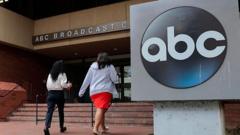
Everyone in the trade press is weeping into their oat milk over the latest headline: Disney and ABC are taking the Federal Communications Commission to court to block an early license renewal. The lazy narrative running rampant across every media blog is that this is a heroic defense of free speech, a plucky corporate David standing up against regulatory overreach.
It is absolute theater.
I have spent two decades watching media conglomerates draft the very rules they later pretend to despise. When a legacy giant like Disney drags a regulator into court over administrative timeline acceleration, do not look for civil rights crusaders. Look at the balance sheet, look at the expiring spectrum obligations, and look at the desperate scramble to hold onto a dying cable-carriage monopoly without having to answer for public interest mandates written in the last century.
The lazy consensus says this lawsuit is about the First Amendment. The brutal reality is that Disney is terrified of being locked into a rigid framework while their traditional broadcast model bleeds cash to streaming services they can barely monetize.
The Myth of the Regulatory Victim
Let us strip away the PR fluff. Underneath the legal briefs filed by network attorneys lies a fundamental misunderstanding of how media conglomerates actually extract rent from the public airwaves.
For decades, broadcast networks enjoyed an unwritten social contract. You get free, exclusive access to public spectrum. In exchange, you air local news, serve your community, and adhere to decency standards that keep the peace. But as local affiliate footprints wither and ABC turns into a glorified branding wrapper for Disney Plus content pipeline decisions, those public interest obligations stop looking like a civic duty and start looking like an expensive tax.
When a regulator moves to lock down a license renewal ahead of schedule, they aren't just moving a calendar date. They are freezing accountability in amber. They are forcing a media giant to commit to local programming minimums and ownership caps at the exact moment that traditional television is being dismantled piece by piece.
Disney does not want to fight the system. Disney wants to rewrite the timeline so they can quietly unload their legacy broadcast assets to private equity firms while the getting is still good, without the FCC breathing down their necks about local newsroom layoffs.
Follow the Carriage Fees
To understand why Disney and ABC are throwing a temper tantrum in federal court, you have to look at the plumbing of the television business. Carriage fees are the oxygen of traditional media. Every time a subscriber pays a cable bill, a slice of that cash goes straight to Burbank.
Those fees rely entirely on the leverage of must-carry rules and stable broadcast licenses. If a license renewal is fast-tracked under stricter terms, cable operators gain immense leverage in upcoming retransmission consent negotiations. Suddenly, distributors can demand performance metrics. They can ask why a network getting a free public asset is spending ninety percent of its airtime re-airing cable leftovers from FX or streaming exclusives.
Imagine a scenario where a broadcast network has to justify its public license every three years using actual local viewership data rather than nostalgic political rhetoric about the sanctity of network news. The entire business model collapses.
Disney is not suing to protect freedom of the press. They are suing to protect profit margins that belong in 1998, not 2026.
The Hollow Core of Broadcast Law
Let us talk mechanics. The Communications Act of 1934 was written when radio towers required physical copper and local operators knew every grocer in town. Applying that statutory framework to a multinational entertainment conglomerate whose primary goal is driving subscriptions to a direct-to-consumer app is legislative malpractice.
Yet, media executives love this outdated code when it protects them from antitrust scrutiny, and they hate it when it requires them to keep local news bureaus open in cities like Toledo or Fresno.
When industry analysts write about this lawsuit as a monumental constitutional clash, they are falling for the oldest trick in the corporate playbook. They are confusing a contractual dispute over administrative convenience with a grand ideological battle. The regulator pushed a button too early. Disney's lawyers panicked because an early renewal locks in compliance costs before they can figure out how to completely gut their broadcast infrastructure without triggering a revocation proceeding.
I have seen legacy media companies blow millions on legal fees to delay the inevitable by six months. This lawsuit is not a weapon against censorship. It is a delay tactic designed to buy time for an industrywide asset fire sale.
The Unspoken Endgame
Here is what nobody in the trade publications has the courage to print: Broadcast television as a distinct regulatory category is dead.
Disney knows it. The FCC knows it. The lawyers billing hourly rates to litigate this motion in court know it.
The future of video distribution is IP-delivered, algorithmic, and borderless. Public airwaves are becoming an expensive legacy overhead that network bean counters are desperate to write off. By fighting an early license renewal, Disney is trying to keep their options open for a clean exit strategy. They want the freedom to abandon local broadcast obligations the second the next quarterly earnings report demands another round of cost-cutting.
Stop buying the press releases. Stop pretending this is about the Constitution. This is a multi-billion-dollar landlord fighting a zoning board over how fast they have to paint the building before they tear it down to build luxury condos.
Let the court case drag on. It changes nothing about the extinction-level event happening inside traditional television.


