The air inside the White House press briefing room usually smells of stale coffee and heavy woolen suits. On a Tuesday afternoon, it is the last place you would expect to find the ghost of a sliding tackle. Yet, there it was. A casual comment from the podium managed to bridge the gap between transatlantic grand strategy and the agonizing split-second decisions made on a muddy pitch half a world away.
Politics and football—the soccer variety—have always danced a dangerous tango. But we crossed a new line when the official apparatus of American executive power decided to grade the sporting ethics of a British Prime Minister against those of a former American President.
The spark that lit this bizarre diplomatic bonfire didn't come from a trade treaty or a defense pact. It came from a referee’s whistle.
The Gravity of the Out-of-Bounds Intervention
To understand how we reached this point of peak absurdity, we have to look at two distinct moments where world leaders forgot the golden rule of modern fandom: let the officials ruin the game in peace.
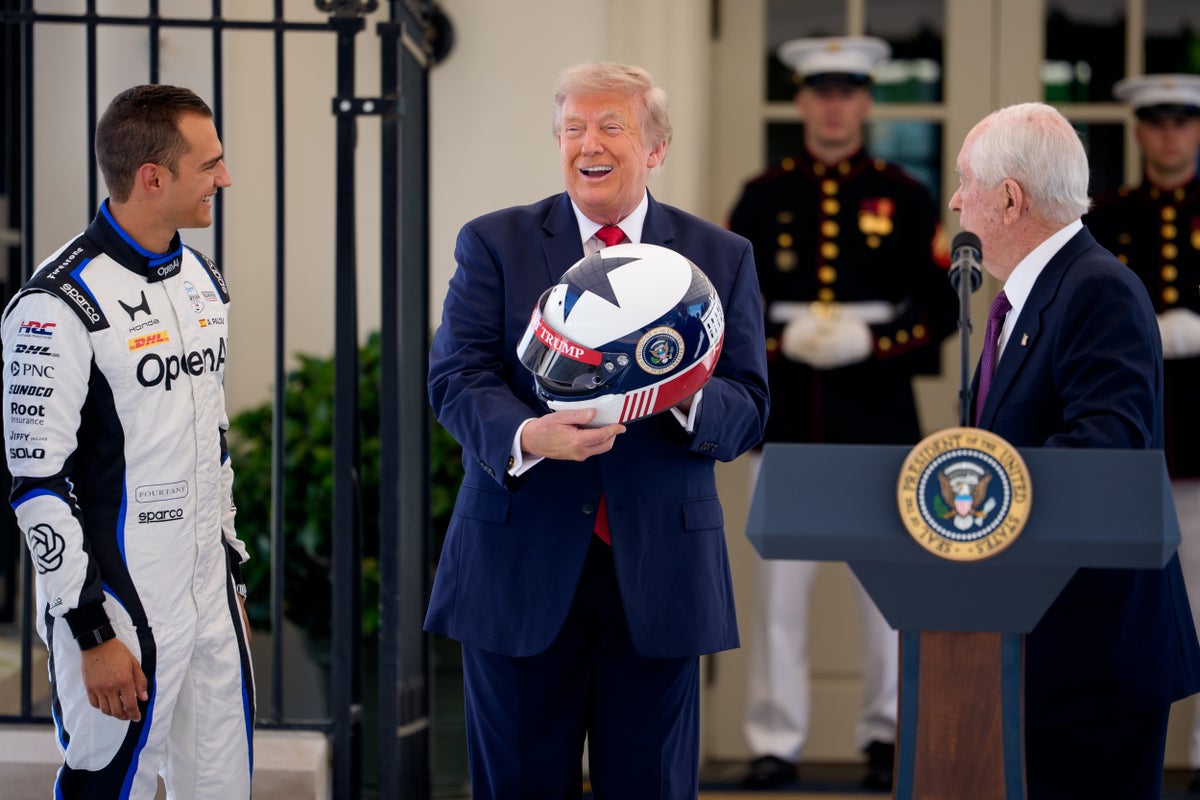
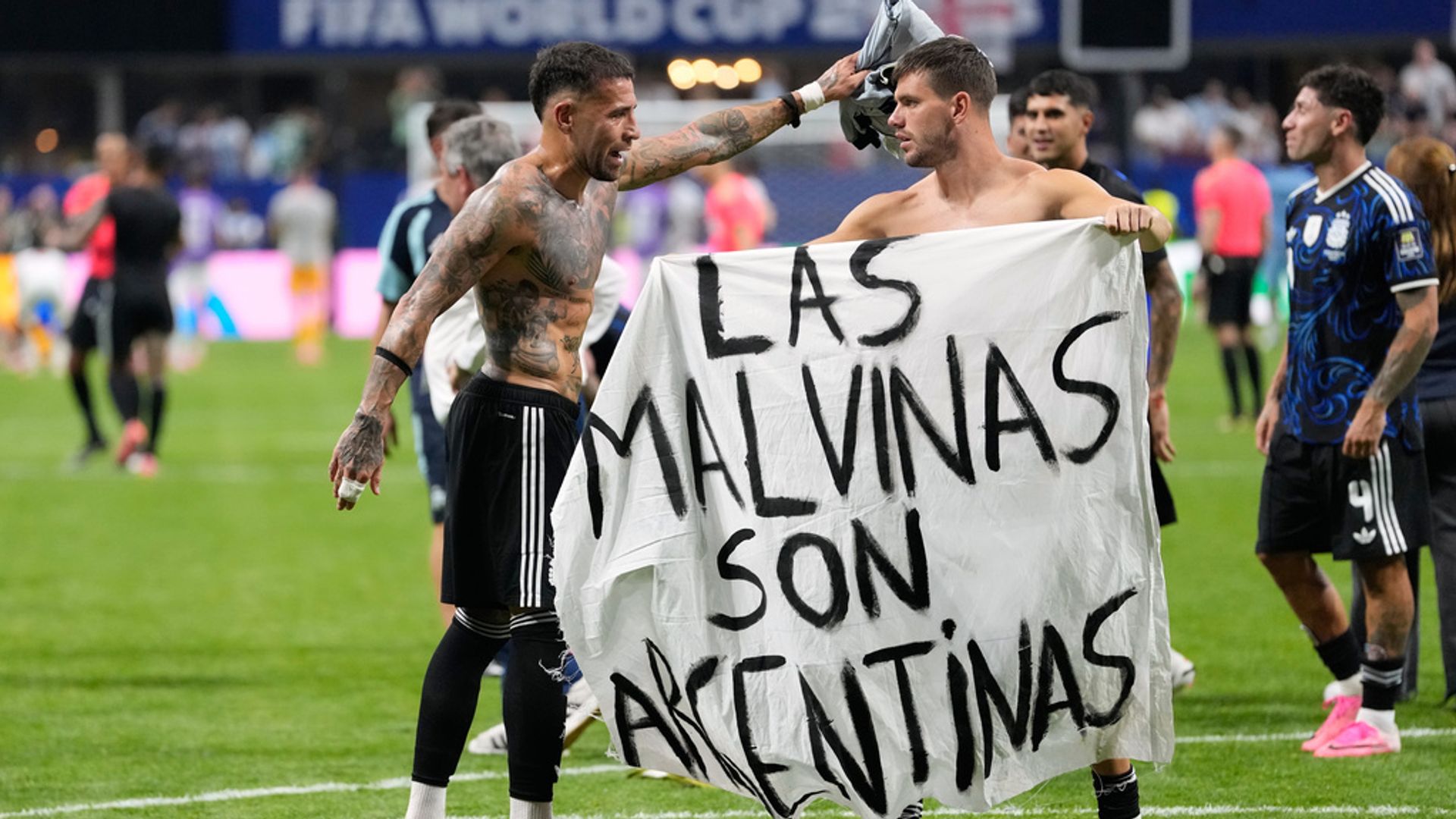
First, consider the baseline of comparison. Donald Trump, a man never accused of holding back his opinion, famously weighed in on a highly controversial red card handed down to Folarin Balogun. It was an unexpected cross-pollination of American political bombast and international football discipline. Trump’s commentary was loud, public, and characteristically sharp. It felt, at the time, like the outer limit of political intrusion into sports.
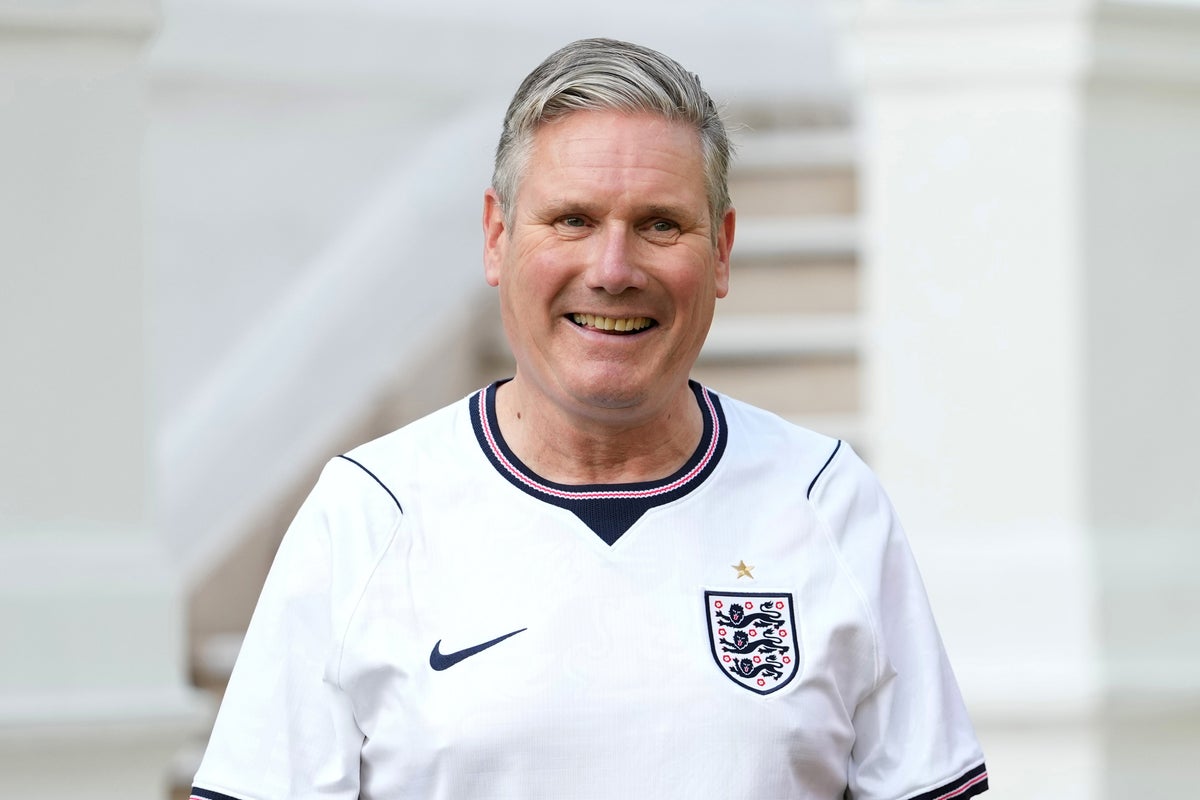
Then came Keir Starmer.
The British Prime Minister did something that the Washington briefing room classified not just as a misstep, but as a "more egregious" violation of the unwritten rules of international sportsmanship. Starmer didn't just comment on a call after the fact. He intervened in the narrative surrounding England's national team strategy, treating a tactical football dilemma with the heavy-handed machinery of state rhetoric.
Consider the weight of that distinction. When an American president critiques a referee, it is viewed by the global community as a sideshow—a bit of character actor theater from a man obsessed with televised drama. But when a British Prime Minister tries to steer the cultural ship of the English national team, it touches a nerve that is deeply historical, fiercely protected, and volatile.
The White House spokesperson didn't mince words. The assessment was delivered with the kind of dry, clinical certainty usually reserved for violating airspace or breaking non-proliferation treaties. In the eyes of the West Wing, Starmer had committed the ultimate sporting sin. He had used the prestige of Downing Street to tip the scales of a game that belongs exclusively to the people who bleed their club colors every weekend.
The Invisible Border Between State and Pitch
Why does this matter to someone who couldn't care less about the offside rule?
Because it reveals a terrifying truth about modern leadership. The boundaries that used to separate our cultural sanctuaries from our political arenas are dissolving. The pitch used to be a meritocracy. You ran hard, you tracked back, you caught a boot to the shin, and the referee made a call. If the call was bad, you cursed the referee's eyesight and moved on to the next match.
Now, a bad tackle or a questionable managerial substitution is treated as a matter of national security.
Imagine a young striker standing over a ball, the breath freezing in his throat as fifty thousand fans scream from the stands. He isn't thinking about foreign policy. He is thinking about the micro-adjustments of his ankle, the turf flying up from his studs, and the closing angle of the defender. Now inject the reality that whatever happens next will be analyzed not just by pundits on a post-match show, but by communications directors in Washington and London looking for a cultural wedge issue.
That pressure changes the chemistry of the game. It turns sport into propaganda.
The White House's sudden expertise in footballing discipline might seem hilarious on its surface. It evokes images of staff assistants frantically printing out explainers on the rules of professional fouls while senior advisors debate the geopolitical fallout of a studs-up challenge. But the underlying message is incredibly sobering. Every aspect of public life is now fair game for political leverage.
The Final Whistle on Neutrality
The true cost of this political overreach isn't measured in diplomatic tension or tense phone calls between embassies. It is paid by the fans.
We flock to stadiums and turn on broadcasts precisely to escape the curated, focus-grouped talking points of elected officials. We want raw emotion. We want the beautiful agony of a deserved loss or the chaotic ecstasy of an unexpected win. When politicians step onto that turf, they bring the mud of the campaign trail with them.
The White House calling Starmer’s intervention worse than Trump’s Balogun critique isn't just a quirky news snippet. It is a warning shot across the bow of cultural autonomy. It tells us that nothing is sacred, nothing is too trivial, and nothing is insulated from the endless spin cycle of global optics.
A ball rolls across a white line. A whistle blows. The stadium holds its breath. In that pure, suspended moment, we should only be looking at the referee’s pocket to see what color card comes out. We shouldn't have to look over our shoulders to see how the executive branch is going to spin it.