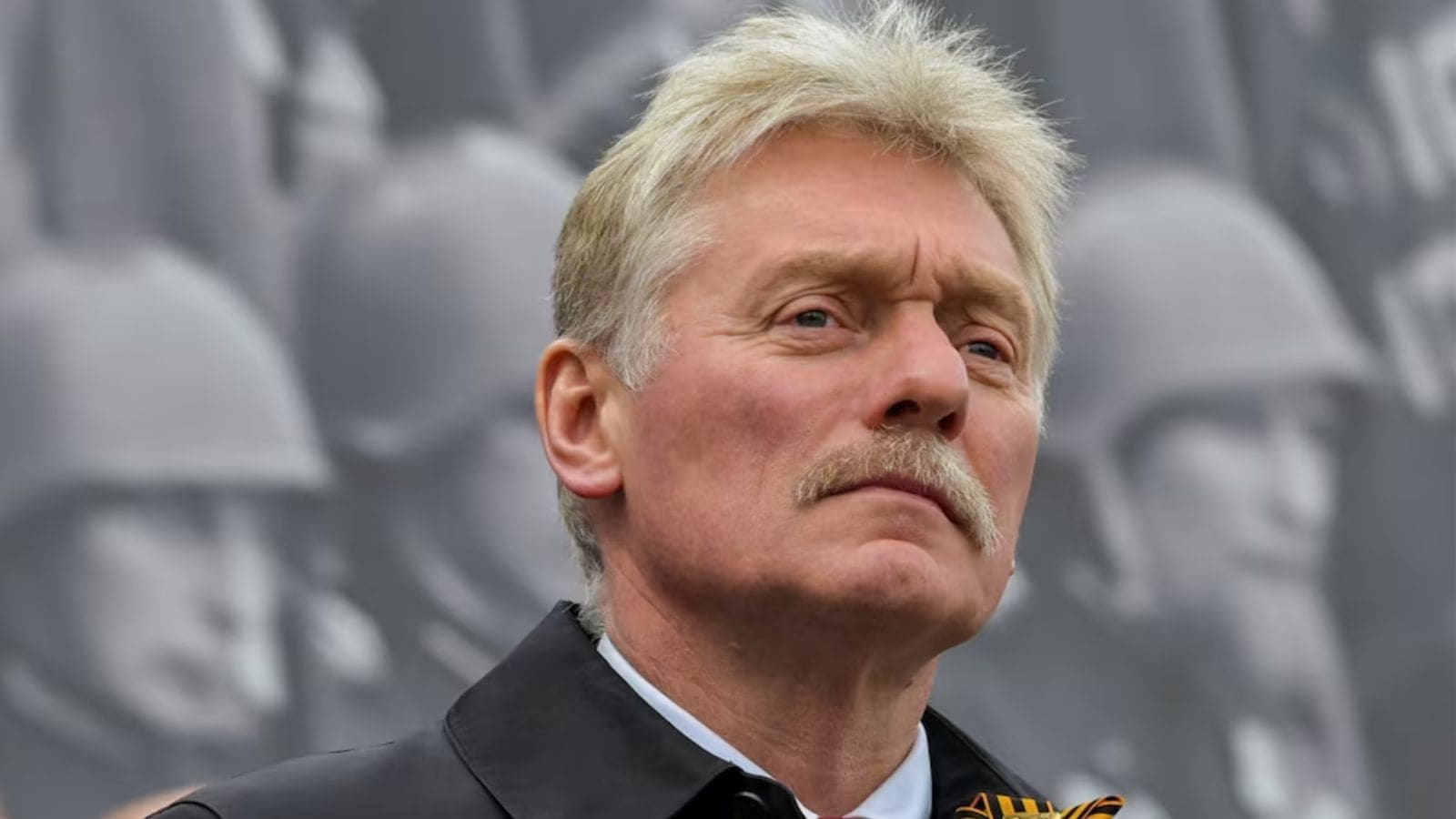
Geopolitical signaling relies on calculated ambiguity. When Moscow announced that it did not categorically dismiss the resumption of trilateral negotiations involving the United States and Ukraine, international media outlets framed the statement as a major diplomatic opening. Beneath the surface of public pronouncements from Kremlin spokesperson Dmitry Peskov, however, lies a rigid cost-benefit analysis driven by military logistics, economic endurance, and shifting external pressures. Evaluating whether this signals a genuine shift toward conflict resolution requires deconstructing the mechanics of the recent shuttle diplomacy executed by U.S. envoys Steve Witkoff and Jared Kushner, rather than taking diplomatic pleasantries at face value.
The structural conditions governing the current diplomatic posture can be broken down into three primary variables: domestic resource depletion, allied mediation capacity, and territorial baseline demands. Each variable functions as a constraint on state behavior, dictating when leadership actors find utility in engaging diplomatic channels versus prioritizing brute-force military momentum.
The Logic of Signaling Versus Settlement
Diplomatic statements indicating that a format is not ruled out serve a distinct purpose in international statecraft. They maintain optionality without imposing binding commitments. For Moscow, expressing openness to renewed talks following weekend discussions in the Russian capital achieves two immediate objectives. It projects a cooperative stance toward Washington's peace initiatives—specifically acknowledging the diplomatic footprint of the U.S. administration—while simultaneously shifting the burden of refusal onto Kyiv regarding contested territorial concessions.
The mechanism of trilateral engagement stalled earlier following disagreements in Geneva over frontline demarcations and security architectures. By refusing to shut the door completely, the Kremlin preserves a channel to influence Washington's broader foreign policy calculus, particularly at a time when American diplomatic bandwidth is shared with competing crises in the Middle East. Signaling flexibility costs nothing in material terms, yet it creates internal political friction within the opposing coalition by forcing Ukrainian leadership to respond to fresh American proposals.
The Asymmetry of Territorial Demands
The structural barrier to any sustainable peace agreement remains the irreconcilability of baseline territorial requirements. Moscow continues to condition substantive progress on structural adjustments along the eastern contact line, demanding withdrawals from entrenched positions in regions such as Donetsk. Conversely, Kyiv views these exact defensive belts as vital operational anchors for national survival, backed by demands for ironclad multilateral security guarantees from Western partners.
When intermediaries attempt to bridge this gap, they encounter a zero-sum mathematical reality. Land surrendered is military capacity lost, and territory retained is a political liability for an administration facing domestic fatigue. The intervention of external emissaries introduces new variables, but it cannot alter the fundamental geometry of the frontlines. Until one side experiences a catastrophic systemic failure in either economic output or military manpower, negotiations remain tactical maneuvers rather than strategic conversions to peace.
The Temporal Pressure Variables
Time functions as the ultimate scarce resource in the current diplomatic cycle. Ukrainian leadership has consistently pointed to a narrow window of opportunity for structural resolution, bounded by electoral cycles and political shifts within the United States. As external partners recalibrate their domestic priorities, the sustainability of high-volume military and financial support faces incremental friction.
This temporal pressure explains why recent diplomatic choreography involves rapid shuttle movements between Moscow and Kyiv. The objective of the American negotiating team is to compress the decision-making timeline, forcing both belligerents to evaluate the carrying costs of prolonged attrition against the compromises required for a settlement. Yet, speed often undermines stability. Terms rushed through under external duress typically lack the enforcement mechanisms necessary to prevent a resumption of hostilities.
Strategic Execution Path
Relying on public diplomatic statements as indicators of peace trajectory creates analytical blind spots. Assess ongoing negotiations through structural indicators rather than official rhetoric. Track material shifts in industrial defense output, changes in sovereign debt servicing capabilities, and modifications to air defense deployment densities along urban centers. When concrete concessions emerge regarding demilitarized buffer zones and third-party enforcement mandates, diplomatic signals will transition from tactical theater to actual structural alignment. Until those verifiable markers shift, treat all announcements of openness as components of ongoing deterrence management.