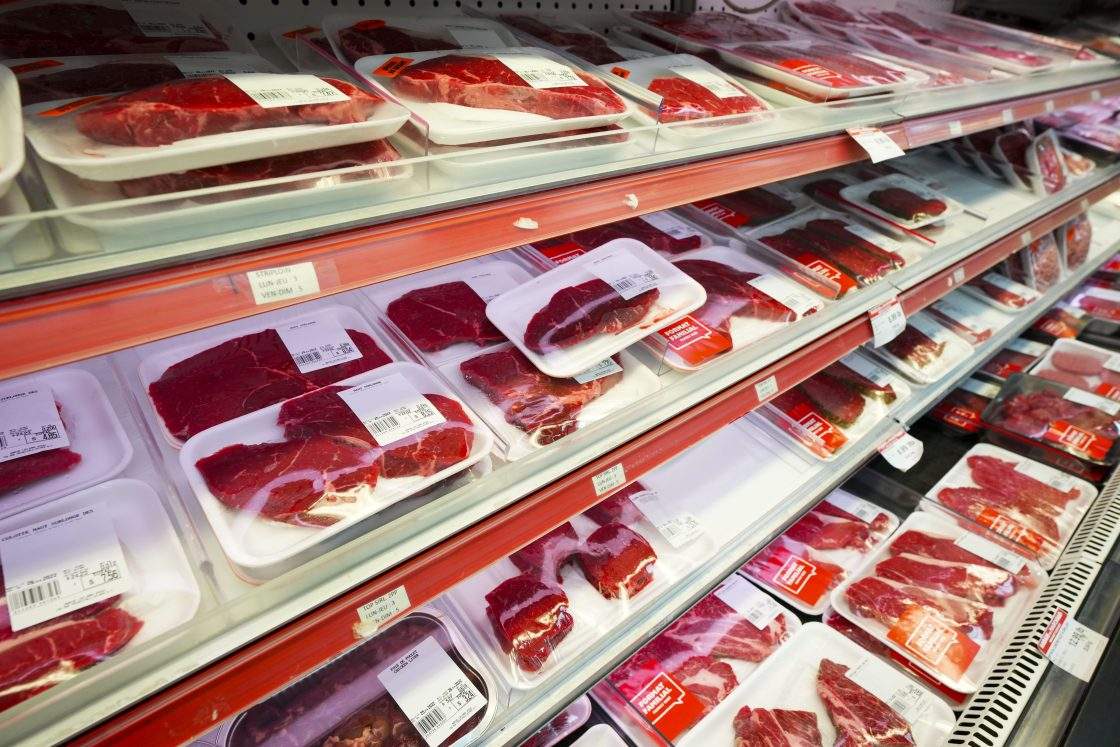
Every populist headline regarding American agriculture follows a predictable script. The narrative writes itself: heroic independent ranchers oppressed by faceless corporate meatpackers, waiting for a stroke of executive a pen to set them free. The latest policy push making it easier for small-scale producers to slaughter, process, and sell their own beef is being heralded as a great leveling of the playing field.
It is a comforting fantasy. It is also an economic death warrant for the very people it claims to protect.
I have spent decades watching agricultural policy romanticize the small-holder while ignoring the brutal realities of margin math. When politicians promise that deregulation will allow local ranchers to bypass the Big Four processing cartel and capture higher retail margins, they are selling a fairy tale. They are ignoring the difference between producing a great steer and operating a federally compliant, hazardous-waste-generating, labor-intensive industrial facility.
Let us dismantle the lazy consensus.
The Margin Myth
The standard argument goes like this: if a rancher can process their own beef on-site or at a small local facility, they cut out the middleman and pocket the profit.
The math tells a completely different story.
Meat processing is not an artisanal craft; it is a high-throughput, low-margin exercise in logistics and cold-chain management. A processing plant requires massive capital expenditure in refrigeration, stainless steel fabrication, wastewater treatment, and federally mandated inspection compliance.
When you scale down to a local operation, fixed overhead does not shrink proportionally. It explodes per unit.
I have seen well-meaning independent producers blow hundreds of thousands of dollars trying to build out on-farm slaughter facilities, only to find that regulatory compliance, carcass disposal fees, and equipment maintenance consume every penny of their supposed retail markup. They traded the tyranny of the packer for the slow bleeding of operational debt.
The Inspection Illusion
Proponents of relaxed processing regulations point to red tape as the primary barrier preventing independent ranchers from capturing local markets. Remove the inspector, the argument goes, and the small guy can finally compete.
This is where the contrarian perspective becomes non-negotiable.
Federal and state inspection regimes are not merely bureaucratic hurdles designed to protect monopolies. They are market lubricants. They provide the universal trust currency that allows a consumer in Chicago to buy a ribeye without asking questions about a local herd's sanitation practices.
Imagine a scenario where small-scale processing is entirely deregulated to spur local commerce. A single foodborne illness outbreak originating from an uninspected, decentralized local slaughter operation does not just ruin that specific rancher. It triggers a localized panic that crushes consumer confidence in regional meat overnight.
Big processing plants survive food safety crises because of deep corporate reserves and diversified supply chains. The independent rancher selling direct-to-consumer has zero margin for error. One bad batch of ground beef and their brand is vaporized forever.
The Labor Black Hole
Nobody talking about the renaissance of local meat processing wants to talk about who is holding the boning knife.
U.S. agriculture faces a severe, structural labor shortage. Processing beef is cold, wet, repetitive, and physically punishing work. It requires skilled labor that commands high wages in a competitive job market.
A corporate slaughterhouse can automate parts of the kill floor and absorb high turnover by offering baseline industrial wages and benefits. A small-scale local plant trying to hire five people to handle everything from stunning to vacuum-packing cannot compete with local construction or logistics pay scales.
The result? The rancher ends up doing the dirty work themselves. They trade being a high-level livestock manager for becoming an exhausted, underpaid butcher working eighteen-hour days in a freezing room. That is not liberation. That is self-exploitation disguised as entrepreneurship.
The Real Solution
If deregulating local processing is a trap, what is the alternative?
Stop trying to turn ranchers into meatpackers. Division of labor exists for a reason.
The path forward for the independent producer is not vertical integration into an industry they have no scale to handle. It is cooperative aggregation and regional infrastructure investment. Instead of every rancher trying to build a sub-scale processing shack, regional producers must pool capital to build mid-tier, regional facilities that meet USDA standards while remaining independent of the traditional Big Four oligopoly.
We need modern, cooperatively owned middle-tier plants that balance industrial efficiency with regional accountability. Not backyard butchery.
The romanticized vision of the American rancher processing their own steer in the pasture belongs in a western novel, not an agricultural balance sheet. If you want to save the independent producer, stop encouraging them to build businesses destined to fail on the altar of romantic nostalgia. Fix the middle tier, secure the supply chains, and let the ranchers focus on what they actually do best: raising the cattle.