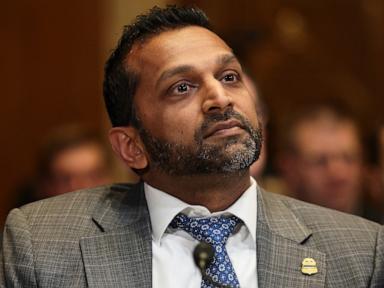
FBI Director Kash Patel engaged in a private, military-coordinated "VIP snorkel" excursion around the sunken hull of the USS Arizona, a hallowed military cemetery at Pearl Harbor where more than 900 sailors and Marines remain entombed. Government internal emails obtained through public records requests show that the excursion took place during a multi-day stopover in Hawaii that the FBI deliberately omitted from its public press releases. The revelation comes amid intense congressional scrutiny regarding Patel’s expansive use of government aircraft, specialized security details, and taxpayer resources for travel that routinely blends official bureau business with personal leisure.
This specific excursion bypassed standard National Park Service guidelines, which strictly limit water access over the wreckage to military divers conducting maintenance or interring the cremated remains of Pearl Harbor survivors.
Breaking the Line at Pearl Harbor
The logistics of the swim required active coordination by military personnel. Navy officials provided two boats and a security detail composed of Navy SEALs to escort Patel and nine of his guests during a 30-minute swim around the battleship's remains. While the Navy maintains that such outings are occasionally organized for distinguished visitors, records indicate that no FBI director dating back to at least 1993 has ever requested or participated in a recreational swim at the monument.
The National Park Service, which co-manages the site alongside the Department of Defense, stated it was completely excluded from the planning of Patel's excursion and declined to comment on the propriety of the event. To put the access in perspective, even the immediate families of those who died during the December 7, 1941 attack are barred from swimming or snorkeling anywhere near the hull.
Bureau officials defended the stopover by pointing to an invitation from Admiral Samuel J. Paparo Jr., head of the U.S. Indo-Pacific Command. The agency claims the event was configured as a "historical tour to honor heroes," rather than a leisure trip. However, critics within the veteran community argue that using an underwater tomb as a backdrop for a political VIP swim erodes the baseline reverence required for the country's most significant military memorials.
The Cost of the Global Circuit
The Hawaii stopover was part of a larger international journey that has drawn the attention of the Senate Appropriations Committee. Patel traveled to Australia and New Zealand using a high-end government jet with an operational range of roughly 7,700 miles. The official purpose of the trip included opening the bureau's first standalone office in Wellington, New Zealand. Yet, the trip has faced blowback due to unconventional diplomatic maneuvers, such as Patel gifting inoperable 3D-printed replica pistols to local intelligence and police chiefs—items that happen to violate local firearms possession laws.
The timeline of the Pacific journey reveals a deliberate structural gap. The FBI issued official press releases detailing Patel’s initial arrival in Hawaii, highlighting standard walking tours of the Honolulu field office and meetings with local law enforcement to demonstrate a rigorous work agenda. The bureau then completely blacked out the subsequent two days when Patel returned to the island from New Zealand to execute the snorkeling trip.
This pattern fits into a broader investigation by oversight committees into what lawmakers describe as an imperial approach to the director's office. Recent testimony before the Senate Subcommittee on Commerce, Justice, Science, and Related Agencies has focused heavily on a list of unconventional expenditures and administrative choices under Patel’s tenure, including:
- The procurement of a specialized fleet of high-end BMW luxury sedans for executive transport.
- Frequent use of the bureau's long-range aircraft to attend non-bureau events, including domestic professional wrestling matches.
- Deploying active tactical security details to protect non-government personnel associated with the director.
- Ongoing internal friction regarding the consumption of alcohol by executive staff while on official travel status.
Deflection and Administrative Gray Zones
Patel has dismissed the criticism, stating that his travel schedules are explicitly planned around ongoing global operations, including a cybercrime investigation requiring coordination with European authorities. Yet the operational link between a European cyber investigation, a New Zealand office opening, and a Navy SEAL-escorted swim over a sunken World War II hull remains unexplained.
The military command structure has also struggled to clarify the origin of the request. Navy spokesperson Captain Jodie Cornell confirmed that the event occurred but acknowledged that the service could not verify who initially requested or authorized the specific "VIP snorkel" designation. Participants were reportedly given strict orders not to physically touch the wreckage and were briefed on the historical significance of the site, a detail that oversight advocates argue underscores the Navy's awareness of the optics surrounding the swim.
The friction over the Pearl Harbor excursion highlights a fundamental disagreement regarding the boundaries of high-office privilege. While historical figures like secretaries of defense or interior have occasionally toured the waters to assess the structural integrity or environmental impact of the ship's slow fuel leaks, treating the site as an exclusive perk for political appointees signals a shift in bureaucratic accountability. The ongoing Senate investigation faces the task of determining whether these actions represent distinct ethical lapses or a systemic reorganization of how the nation's top law enforcement agency utilizes public funds.
The issue is no longer just about a single afternoon in the waters of Oahu. It centers on whether the leadership of the country's premier domestic intelligence agency operates under the same compliance rules applied to the public, or if the position carries an implicit license to ignore traditional boundaries of official conduct.