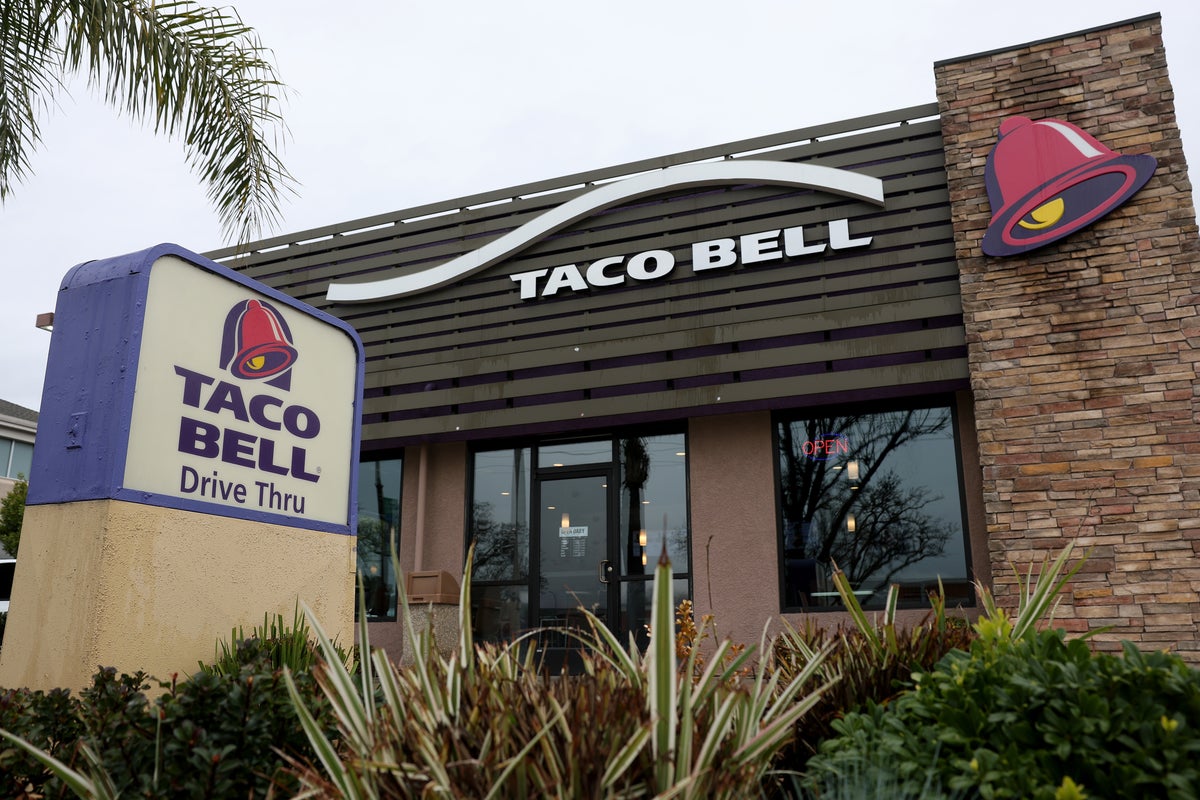
The corporate response was swift, silent, and entirely defensive. Across the United States, franchise owners scrambled to strip menus of fresh lettuce, cilantro, guacamole, and onions. The official reason provided to the public was a precautionary measure linked to a multi-state spike in gastrointestinal illnesses. Behind the scenes, the reality is far more severe than a simple operational hiccup. The fast-food giant is currently entangled in a massive nationwide outbreak of cyclosporiasis, an infection caused by a microscopic, single-celled parasite known as Cyclospora cayetanensis. This organism embeds itself in the human intestinal tract, triggering weeks of agonizing, watery, and explosive diarrhea that resists standard food poisoning treatments.
This is not a localized incident of poor kitchen hygiene. It is a failure of industrial agriculture. As health agencies track nearly 1,500 cases across dozens of states, with Michigan alone reporting a staggering surge of nearly 1,000 infections compared to its usual baseline of 50 per year, the narrative is shifting away from individual store practices. The true culprit lies deep within the hyper-centralized, opaque supply chains that feed corporate fast food. When a single contaminated field or distribution hub can simultaneously cripple menus and sicken hundreds of people across thousands of miles, the entire foundational logic of modern food sourcing demands aggressive scrutiny.
The Biological Resilience of an Invisible Threat
Public health messaging frequently tells consumers to wash their produce. That advice is completely useless here. Standard kitchen rinsing, commercial vegetable washes, and even industrial chlorine baths are incapable of dislodging or killing Cyclospora oocysts once they adhere to the microscopic folds of raw leafy greens and herbs.
Unlike bacteria such as E. coli or Salmonella, which can grow and multiply on surfaces, Cyclospora is a protozoan parasite. It does not replicate outside a living host. Instead, it travels in a highly resilient, egg-like capsule that protects it from environmental stressors. These capsules are sticky and incredibly tough. When human waste contaminates agricultural water or soil, these oocysts find a permanent home on crops that are destined to be consumed raw.
The biological timeline of the parasite makes tracking the source an investigative nightmare. After a person ingests the contaminated food, symptoms do not appear overnight. The incubation period lasts anywhere from two days to two full weeks. During this window, an infected individual continues their daily routine, completely unaware that a parasite is multiplying inside their small intestine. By the time the violent physical symptoms erupt, tracing exactly what the patient ate fourteen days prior becomes an exercise in human memory error. The trail grows cold long before the laboratory results are finalized.
Furthermore, diagnosing cyclosporiasis requires a specific, specialized stool test that is rarely included in standard automated medical panels. Most individuals suffering from what they assume is a brief bout of stomach flu simply stay home, stay hydrated, and wait for it to pass. Consequently, the 1,500 confirmed cases reported by the Centers for Disease Control and Prevention represent only the tip of a much larger iceberg. For every single patient who secures a definitive diagnosis, dozens more are suffering in silence, meaning the true scale of the national infection rate is likely many times higher than official databases reflect.
The Cracks in Just-In-Time Agriculture
Fast-food networks rely on an extreme form of efficiency. Inventory must move from harvest to consumer in a matter of days to avoid spoilage and maximize profit margins. This model leaves no room for error, and more importantly, no time for comprehensive biological testing.
[Harvest at Centralized Farm]
            │
            ▼
[Industrial Processing & Bulk Bagging]
            │
            ▼
[Regional Distribution Centers]
            │
            ▼
[Thousands of Fast-Food Kitchens]
When a corporate entity purchases iceberg lettuce or cilantro, it does not buy from local farms scattered across individual states. Instead, it relies on massive, consolidated agricultural monopolies located in specific growing regions, such as California's Salinas Valley or winter growing fields in Mexico. These crops are harvested in bulk, mixed together in washing facilities that process millions of pounds of greens daily, and then packed into enormous commercial bags.
This centralization creates a catastrophic vulnerability. If a single portion of a field is exposed to contaminated agricultural runoff, that specific batch of produce is mixed, chopped, and distributed into a vast pool of clean produce. The industrial washing process, intended to clean the vegetables, actually serves to distribute the microscopic parasite across a wider volume of food. A single infected farm worker or a single malfunctioning irrigation valve can taint an entire region's supply.
From there, the corporate logistics engine takes over. The bagged, pre-cut produce is loaded into refrigerated trucks and dispatched to regional distribution facilities. Within 48 hours, the contaminated greens are sitting in walk-in coolers at thousands of individual restaurants across multiple state lines. Because the fast-food industry prioritizes low costs and uniform texture over localized sourcing, a supply chain disruption in one part of the continent instantly manifests as a public health emergency thousands of miles away.
The removal of these ingredients from menus is a desperate attempt to break this chain of transmission. By halting the sale of lettuce, onions, and cilantro, the corporate hierarchy is acknowledging that it cannot pinpoint the exact origin of the contamination within its own network. It is far cheaper to alienate customers with barren tacos than it is to absorb the legal liability of thousands of additional hospitalizations.
The Corporate Blueprint for Minimizing Public Panic
Corporate public relations strategies during a foodborne illness crisis follow a rigid, predictable script. The primary objective is never transparency. It is the immediate containment of brand damage and stock volatility.
First, the company frames the menu changes as a voluntary, hyper-vigilant act of customer care. Signs posted on drive-thru windows use soft, bureaucratic language, omitting the visceral reality of the parasite's symptoms. They speak of "ingredient availability challenges" or "temporary product adjustments." This intentional obfuscation downplays the reality that the ingredients were pulled because they were actively making people profoundly ill.
Second, the blame is subtly shifted backward onto the unnamed third-party suppliers. By emphasizing that the contamination originates at the farm level rather than within the restaurant kitchens, the corporate brand attempts to absolve its own staff and operational protocols of any wrongdoing. This defense, however, ignores the ethical and legal responsibility that a multi-billion-dollar enterprise possesses regarding the auditing of its suppliers. If a company has the capital to dictate the exact thickness, weight, and price of a tomato slice down to the penny, it possesses the capability to enforce strict water-quality and sanitation testing at the source.
The historical precedent for this behavior is clear. During the major food safety crises of the past two decades, including the devastating E. coli outbreaks that crippled competing chains, companies consistently delayed public disclosures until government epidemiologists forced their hands. They wait for regulatory agencies to establish the definitive links because every day of delay represents millions of dollars in uninterrupted sales.
The Economic Realities of Regulatory Blind Spots
The Food and Drug Administration faces an impossible task when auditing the modern produce industry. The agency is chronically underfunded, understaffed, and restricted by a regulatory framework that prioritizes reactionary enforcement over proactive prevention.
Domestic farms are rarely subjected to surprise, comprehensive biological testing by federal inspectors. Instead, the system relies heavily on self-reporting and third-party safety audits funded by the agricultural companies themselves. These private audits are notorious for their superficial nature, often consisting of paperwork reviews rather than rigorous, independent testing of irrigation water and soil quality. The conflict of interest is structural. An auditing firm that gives a farm a failing grade is unlikely to be hired by that farm again next season.
This regulatory vacuum becomes even more pronounced when dealing with imported produce. A significant portion of the fresh herbs and vegetables consumed in the United States during specific times of the year originates from international growers where oversight may be even more relaxed, and where access to clean agricultural water can be highly inconsistent. Once these items cross the border, they are absorbed into the domestic distribution machine, completely scrubbed of their specific geographic origins by the time they reach a restaurant kitchen line.
The financial calculus for fast-food operators is simple. The cost of implementing true traceability, where every single case of lettuce can be digitally tracked back to the exact acre it was pulled from within minutes, is viewed as an unnecessary drag on profitability. Until the financial penalties levied by courts and regulators significantly outweigh the money saved by maintaining cheap, anonymous supply chains, the industry will continue to gamble with public health.
The Fiction of Corporate Cleanliness
Consumers often harbor the illusion that corporate food production is inherently safer than a local diner because of standardized corporate mandates. The opposite is frequently true when dealing with raw produce.
Inside a high-volume fast-food kitchen, speed is the metric by which employees are judged. Workers are pushed to assemble orders in under a minute, managing frantic drive-thru lines alongside an endless stream of digital delivery orders. In this high-stress environment, cross-contamination is a constant hazard. Even if a restaurant successfully pulls contaminated lettuce from its inventory, the physical surfaces, knives, and storage bins that previously held those greens may still harbor the parasite if they were not subjected to exhaustive, medical-grade sanitization.
Furthermore, the workers tasked with executing these food safety protocols are among the lowest-paid laborers in the economy. They are rarely provided with comprehensive paid sick leave. When a line cook or food preparer catches a parasitic infection, they face an impossible choice. They can stay home to protect public health and forfeit the wages needed to pay rent, or they can work through the illness. Because Cyclospora is shed in human feces, an infected worker who cannot afford to take a day off becomes a brand-new vector for transmission inside the restaurant itself, spreading the organism to otherwise clean ingredients like cheese, tortillas, and packaging.
The structural issues extending from the field to the kitchen line cannot be solved by a temporary menu reduction or a revised corporate press release. The current crisis is a symptom of a food infrastructure pushed past its safe biological limits in the pursuit of absolute corporate efficiency. Pulling ingredients from the menu is merely a tourniquet on a severed artery. Until the underlying mechanics of mass-scale food production are completely overhauled, the next nationwide outbreak is not a question of if, but precisely when.