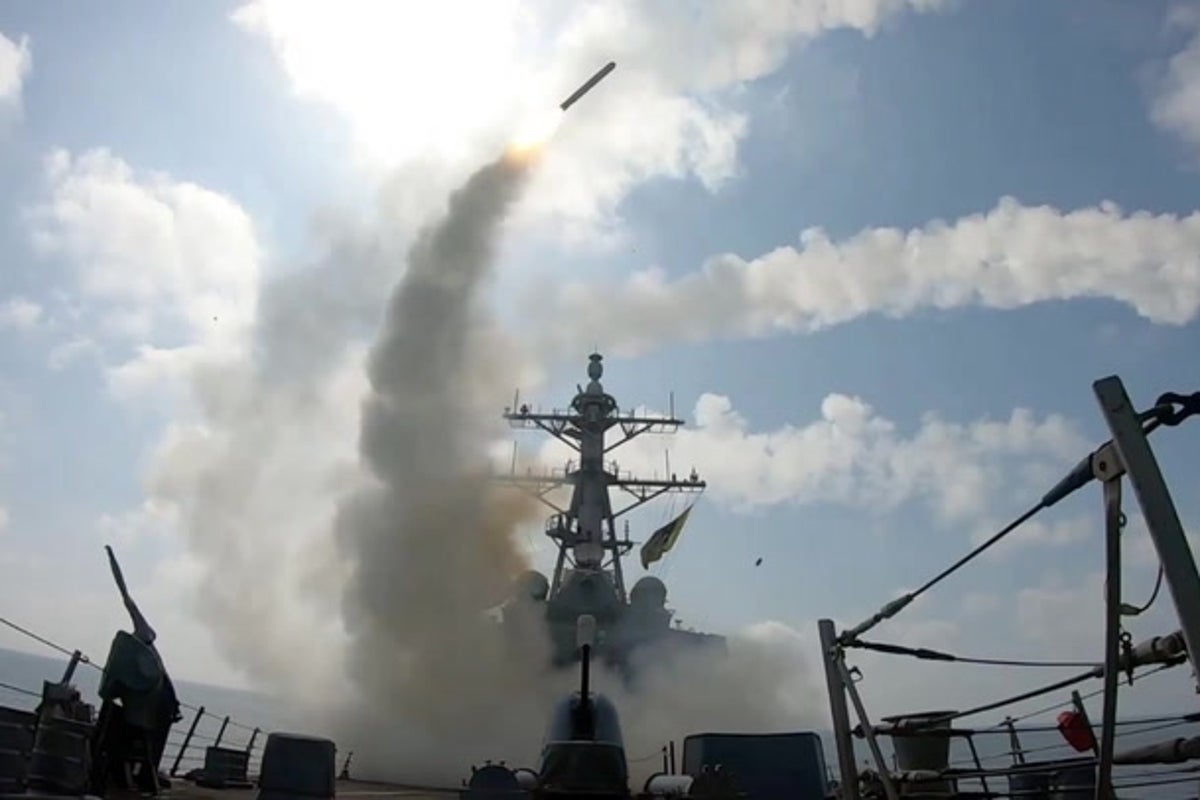
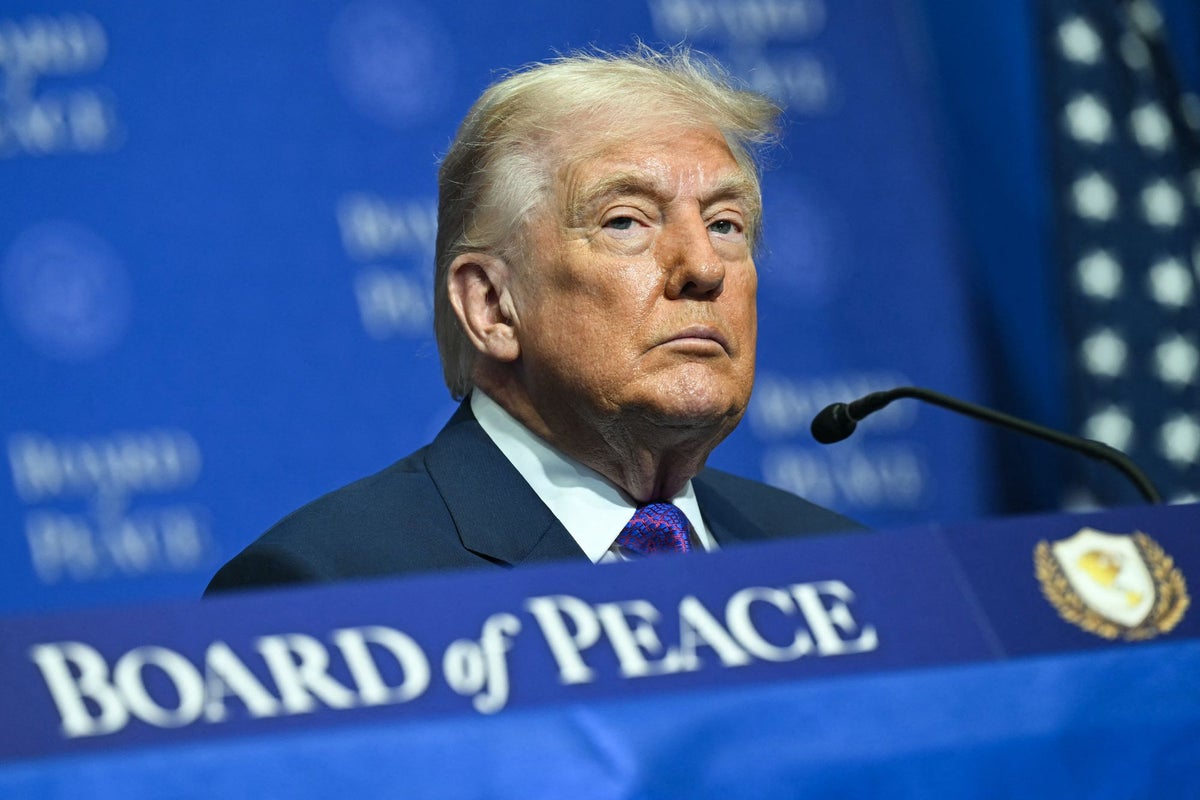
The death of Ayatollah Ali Khamenei on February 28, 2026, functions not as a singular event of high-level homicide, but as the deliberate triggering of a systemic failure within the theocratic architecture of Iran. By executing a joint decapitation strike against the Supreme Leader's Tehran compound, the United States and Israel have initiated a "regime stress test" designed to collapse the internal security apparatus through simultaneous leadership vacuums and kinetic degradation.
The Mechanism of Decapitation: Kinetic and Psychological Synchronization
The operation utilized a high-density intelligence-to-strike loop, where CIA-provided signals intelligence enabled the Israeli Air Force to pinpoint a high-level leadership gathering. This was not a localized hit; it was a broad-spectrum neutralization.
The Casualty Matrix:
- Ideological Anchor: Ali Khamenei (Supreme Leader)
- Strategic Coordinator: Ali Shamkhani (Senior Security Adviser)
- Command Authority: Mohammad Pakpour (IRGC Ground Forces Commander)
- Administrative Succession: Key family members and office staff, neutralizing the "inner circle" that usually manages the flow of information during a crisis.
This creates a state of Strategic Paralysis. In highly centralized authoritarian systems, the decision-making cost rises exponentially when the final arbiter is removed without a pre-validated successor. The immediate result is a breakdown in the command-and-control (C2) hierarchy, where mid-level commanders must choose between independent escalation, tactical retreat, or defection.
The Three Pillars of Regime Instability
The current volatility is best understood through three distinct, yet intersecting, pressure points that determine the survival probability of the Islamic Republic.
1. The Constitutional Succession Deficit
Under Article 107 of the Iranian Constitution, the Assembly of Experts is mandated to elect a new leader. However, the elimination of Khamenei occurs during a period of extreme military pressure, preventing the deliberative process required for legitimacy.
- The Bottleneck: The Assembly members themselves are vetted by the Guardian Council, whose members are appointed by the Supreme Leader.
- The Result: A circular logic trap where the body responsible for legitimizing a new leader lacks the functional authority to do so under fire.
2. The Internal Security Cost Function
The regime relies on the Basij and IRGC to suppress domestic dissent. The effectiveness of these forces is a function of their perceived invulnerability and the certainty of their payroll.
- Kinetic Degradation: Simultaneous strikes on the Sarallah Headquarters in Tehran—the nerve center for capital security—have physically impaired the state's ability to coordinate mass suppression.
- The Defection Threshold: President Trump’s offer of "Immunity or Death" targeted at the IRGC increases the opportunity cost of remaining loyal to a decapitated leadership.
3. The Regional Retaliation Paradox
Tehran’s response—launching missile barrages at Israel and US bases in the UAE, Qatar, and Bahrain—is a move to project strength but carries a diminishing return.
- Escalation Ladder: Each retaliatory strike justifies the next wave of "massive and ongoing" US-Israeli bombing.
- Sovereignty Erosion: By pulling Gulf states into the conflict, Iran risks a total regional alignment against its remaining assets, effectively isolating its proxy networks (the Axis of Resistance) from their financial and logistical hub.
Quantifying the Economic and Logistical Shock
The disruption of the Strait of Hormuz and the closure of the Dubai international airport represent more than just travel delays; they are the severance of the region's primary economic arteries.
- Aviation: Over 60 commercial vessels are currently stationary or seeking shelter in the Gulf.
- Energy: The "regime change war" introduces a permanent risk premium into oil markets, as Iranian naval assets, including the frigate Jamaran, have been targeted.
- Infrastructure: Strikes on civilian-adjacent targets, such as the police headquarters and the Ministry of Defense, signal that the campaign objective is the total dismantling of state functionality, not just military containment.
The Strategic Pivot: From Containment to Total Replacement
The transition from the "Maximum Pressure" era to the current "Kinetic Replacement" strategy indicates a shift in US policy toward the annihilation of the 1979 revolutionary framework. Trump’s directive to the Iranian people to "take back your country" leverages the pre-existing domestic unrest observed in late 2025.
However, the strategy contains a significant blind spot: the Vacuum Risk. Without an organized opposition ready to assume administrative duties, the destruction of the IRGC and the clerical leadership creates a failed-state scenario. The absence of a "Shadow Government" means that the "freedom" promised by the coalition may initially manifest as a period of prolonged urban warfare between fragmented security elements and civilian militias.
Tactical Forecast
The next 72 hours will be defined by the Assembly of Experts’ ability (or inability) to convene. If a temporary Leadership Council is formed but fails to gain the endorsement of the regular army (Artesh), the likelihood of a civil-military split increases.
The Strategic Play:
The coalition will continue "pinpoint" strikes on any emerging leadership nodes to prevent the consolidation of a successor. The objective is to keep the regime in a state of permanent "headless" reactivity until the internal security forces reach a breaking point and begin large-scale desertions.
Would you like me to analyze the specific economic impact of the Strait of Hormuz closure on global oil futures?